
Menstrual Cramps Treatment in Nagpur: Menstruation is a natural, fundamental physiological process experienced by women of reproductive age worldwide, marking the monthly cycle of the female reproductive system. However, for a significant percentage of these women, this biological rhythm is accompanied by agonizing, debilitating pain known clinically as dysmenorrhea, or more commonly, menstrual cramps. In the rapidly advancing and vibrant city of Nagpur, modern lifestyle pressures, dietary transitions, and chronic stress have amplified the prevalence and severity of this condition. For many, the arrival of a menstrual period is not merely an inconvenience but a period of profound physical and emotional distress that violently disrupts their educational pursuits, professional responsibilities, and overall quality of life. Whether you are experiencing mild, transient discomfort or severe, paralyzing cramps that confine you to bed for days, understanding the underlying mechanisms of this pain is your paramount step toward achieving lasting relief. The cultural normalization of menstrual pain often leads women to suffer in silence, believing that severe agony is an unavoidable burden of womanhood. This tragic misconception prevents countless individuals from seeking the medical intervention they desperately need. It is vital to recognize that while mild uterine contractions are normal, severe, incapacitating pain is not. Finding a highly qualified and empathetic Gynecologist in Nagpur is the critical first phase in comprehensively evaluating your reproductive health, identifying any hidden pathologies, and establishing a highly personalized, progressive management plan. This plan must prioritize not just temporary symptom relief, but your long-term comfort, hormonal balance, and overall well-being. To truly comprehend the magnitude and mechanisms of dysmenorrhea, one must delve deeply into the intricate biochemistry and anatomy of the female reproductive system. Every month, in preparation for a potential pregnancy, the uterus meticulously builds a thick, nutrient-rich lining called the endometrium. If fertilization does not occur, the body must shed this lining. To facilitate this shedding, the uterine muscles undergo a series of contractions driven by lipid compounds called prostaglandins. When prostaglandin levels are excessively high, these uterine contractions become violent and uncoordinated. The intense squeezing compresses the blood vessels supplying the uterus, temporarily cutting off the oxygen supply to the surrounding muscle tissues. This state of localized hypoxia (oxygen deprivation) triggers pain receptors, sending sharp, throbbing signals to the brain. Furthermore, these potent chemical messengers do not remain confined to the uterus; they can enter the bloodstream, causing systemic symptoms such as severe nausea, vomiting, debilitating headaches, and gastrointestinal distress. Consequently, addressing this delicate and highly impactful condition requires a multi-faceted, profoundly empathetic, and scientifically backed approach. The strategy must look far beyond standard over-the-counter painkillers, focusing instead on profound hormonal regulation, structural evaluation, targeted nutritional interventions, and comprehensive physiological restoration.
Understanding Dysmenorrhea: Primary vs. Secondary Menstrual Cramps
To effectively approach Menstrual cramps Treatment in Nagpur, it is absolutely essential to differentiate between the two distinct clinical classifications of this condition: Primary Dysmenorrhea and Secondary Dysmenorrhea. This differentiation is not merely academic; it dictates the entire trajectory of diagnostics and subsequent therapeutic interventions.
Primary dysmenorrhea is the most common form of period pain and typically presents in young women shortly after menarche (the onset of their very first menstrual period). This type of pain is characterized by recurrent, cramping pain in the lower abdomen that occurs just before or during menstruation, in the absolute absence of any identifiable pelvic disease or anatomical abnormality. The root cause of primary dysmenorrhea is entirely biochemical. As the endometrial lining breaks down during menstruation, it releases immense quantities of prostaglandins. These hormone-like substances stimulate the smooth muscle of the uterus to contract forcefully to expel the shed tissue. Women who suffer from primary dysmenorrhea have been clinically shown to produce significantly higher levels of these prostaglandins than women who experience painless periods. The resultant hyper-contractility of the uterus leads to uterine ischemia—a condition where the blood vessels are squeezed so tightly that the uterine muscle is temporarily starved of oxygen. The pain associated with primary dysmenorrhea usually peaks within the first 24 to 48 hours of the menstrual cycle and gradually subsides as the bleeding tapers off.
Conversely, secondary dysmenorrhea is characterized by menstrual pain that is directly caused by an underlying, identifiable gynecological pathology or structural abnormality within the reproductive organs. Unlike primary dysmenorrhea, which often improves with age or after childbirth, secondary dysmenorrhea tends to present later in life, typically affecting women in their late twenties, thirties, and forties. The pain associated with this classification often begins several days before the onset of bleeding, worsens aggressively as menstruation progresses, and can even persist long after the period has concluded. The nature of the pain may also differ, sometimes presenting as a heavy, dragging sensation, severe lower back pain, or deep pelvic aching that radiates down the thighs. Because secondary dysmenorrhea is a symptom of a larger, more complex issue, the standard biochemical treatments aimed at reducing prostaglandins often provide inadequate relief. Identifying the precise anatomical culprit—whether it be wandering endometrial tissue, benign muscular tumors, or chronic infections—is the absolute cornerstone of resolving secondary menstrual cramps and restoring pelvic health.
Identifying the Broad Spectrum of Symptoms and Systemic Impact
The clinical presentation of dysmenorrhea extends far beyond the localized sensation of a cramping uterus. The biochemical cascade triggered during menstruation, particularly the systemic release of potent inflammatory mediators, causes a wide array of physical and emotional symptoms that can severely compromise a woman’s overall functionality. Recognizing this broad spectrum of symptoms is crucial for an accurate diagnosis and a holistic treatment approach.
The hallmark symptom is, undeniably, a dull, throbbing, or intensely sharp cramping pain localized in the lower abdomen (the suprapubic region). This pain frequently operates in waves, mirroring the rhythmic contractions of the uterine muscle. However, the pain rarely remains confined to the front of the pelvis. It notoriously radiates around the torso, manifesting as severe, aching lower back pain that makes sitting or standing for prolonged periods agonizing. Furthermore, the pain often travels down the neural pathways into the inner and anterior thighs, creating a sensation of profound muscular fatigue and heaviness in the legs.
Beyond the musculoskeletal pain, the systemic effects of prostaglandins wreak havoc on the gastrointestinal and neurological systems. Because prostaglandins stimulate smooth muscle contraction globally, they affect the smooth muscles of the intestines just as they do the uterus. This direct stimulation results in sudden, urgent bouts of diarrhea, severe abdominal bloating, and painful gas cramps that perfectly coincide with the onset of the period. The stomach is equally affected, leading to intense waves of nausea and frequent episodes of vomiting, which can result in dehydration and profound physical exhaustion. Neurologically, women often report severe, pulsating headaches or migraines triggered by the sudden fluctuations in estrogen and progesterone levels. Dizziness, vertigo, and a sensation of fainting (syncope) are also frequently reported, sometimes exacerbated by the pain itself or by the accompanying heavy blood loss.
The psychological and emotional toll of severe menstrual cramps is arguably as debilitating as the physical symptoms, yet it remains critically under-addressed in standard medical care. Women enduring chronic, severe dysmenorrhea often develop significant anticipatory anxiety in the days leading up to their period. The knowledge that inevitable agony is approaching can cause sleep disturbances, extreme irritability, and a plummeting mood. During the painful episodes, it is common to experience acute depressive symptoms, tearfulness, and a profound sense of isolation. When the pain routinely forces women to cancel social engagements, miss critical days of school, or call in sick to work, it breeds feelings of guilt, inadequacy, and professional anxiety. Therefore, a comprehensive evaluation by a trusted gynecologist must encompass not just a physical examination, but a deeply empathetic assessment of how these symptoms are fracturing the patient’s emotional well-being and daily life.
Root Causes of Secondary Dysmenorrhea: Uncovering the Hidden Pathologies
When severe menstrual pain cannot be attributed solely to the natural biochemical fluctuations of primary dysmenorrhea, it is imperative to investigate the potential underlying pathologies that define secondary dysmenorrhea. These structural and inflammatory conditions require specialized, highly targeted interventions to manage.
Endometriosis: This is arguably the most notorious and excruciating cause of secondary menstrual cramps. Endometriosis is a complex, chronic condition in which tissue that masterfully mimics the lining of the uterus (the endometrium) begins to grow aberrantly outside of the uterine cavity. These rogue endometrial implants can attach themselves to the ovaries, the fallopian tubes, the outer surface of the uterus, the bowels, and the delicate lining of the pelvic cavity (the peritoneum). The defining tragedy of endometriosis is that these ectopic tissues respond to the monthly hormonal cycle exactly as the normal uterine lining does: they thicken, break down, and bleed. However, because this blood is trapped deep within the pelvic cavity with no natural exit route, it causes intense, localized, chronic inflammation. Over time, this repetitive inflammatory cycle leads to the formation of dense, sticky scar tissue known as adhesions, which can effectively glue pelvic organs together, causing immense pain not just during menstruation, but during bowel movements, urination, and sexual intercourse.
Adenomyosis: Often referred to as the “sister condition” of endometriosis, adenomyosis occurs when the endometrial tissue begins to grow deep into the muscular wall of the uterus itself (the myometrium). This inappropriate invasion forces the uterus to become globally enlarged, swollen, and boggy. Women with adenomyosis typically suffer from an extraordinarily heavy, dragging sensation in their pelvis, accompanied by severe, prolonged cramping and instances requiring acute Vaginal bleeding Treatment due to massive blood loss.
Uterine Fibroids (Leiomyomas): Fibroids are solid, benign (non-cancerous) tumors that develop from the smooth muscle tissue of the uterus. They can range in size from microscopic seedlings to massive, bulky masses that distort and enlarge the entire uterine cavity. While some fibroids are asymptomatic, those that grow within the uterine cavity (submucosal fibroids) or within the uterine wall (intramural fibroids) can cause the uterus to contract violently in an attempt to expel them, resulting in agonizing cramps and extraordinarily heavy menstrual bleeding.
Pelvic Inflammatory Disease (PID): PID is a severe, ascending bacterial infection of the female reproductive organs, most commonly caused by untreated sexually transmitted infections (STIs) such as chlamydia or gonorrhea. The bacteria travel from the vagina and cervix upward into the uterus, fallopian tubes, and ovaries. This massive inflammatory response causes intense pelvic pain that drastically worsens during menstruation. Even after the active infection is treated with aggressive antibiotics, the resultant internal scarring and localized adhesions can lead to chronic, long-term secondary dysmenorrhea.
Cervical Stenosis: In some rare anatomical anomalies or as a result of prior cervical surgeries, the opening of the cervix (the gateway between the uterus and the vagina) can become exceptionally narrow or completely obstructed. This stricture impedes the natural outward flow of menstrual blood. The uterus must then contract with excessive, agonizing force to push the blood and tissue through the microscopic opening, leading to intense internal pressure and excruciating cramping.
Comprehensive Diagnostics: The Blueprint for Precision Treatment
A successful, long-lasting treatment protocol for debilitating menstrual cramps hinges entirely upon an accurate, highly detailed, and definitive diagnosis. When you consult a top Gynecologist in Nagpur, the evaluation process is designed to systematically eliminate potential pathologies and pinpoint the precise origin of your pain. The clinical journey begins with a deeply thorough and compassionate medical history review. Your physician will delve meticulously into your menstrual history, charting the exact age of menarche, the precise length of your cycle, the duration and volume of your bleeding, and a highly detailed chronological assessment of your pain. You will be asked to describe the exact nature of the pain, its precise location, and its relationship to other physiological functions like digestion and intercourse.
Following the verbal consultation, a comprehensive physical and pelvic examination is typically mandatory, provided the patient is comfortable and sexually active. During this specialized exam, the gynecologist palpates the pelvic region to assess the exact size, shape, and mobility of the uterus and ovaries. They are meticulously feeling for any abnormal masses, tender nodules behind the cervix (a classic sign of deep infiltrating endometriosis), or a globally enlarged, boggy uterus indicative of adenomyosis.
To precisely visualize the internal pelvic anatomy and confirm suspected pathologies, a suite of advanced diagnostic modalities is employed:
- Transvaginal Ultrasound (TVS): This is the universal first-line imaging modality in gynecological diagnostics. A slender, highly specialized ultrasound wand is gently inserted into the vagina, allowing sound waves to create incredibly sharp, high-resolution images of the uterus, endometrial lining, and ovaries. A TVS is highly effective at identifying uterine fibroids, measuring endometrial thickness, and spotting characteristic ovarian cysts such as endometriomas (chocolate cysts).
- Magnetic Resonance Imaging (MRI): If the transvaginal ultrasound is inconclusive, or if the physician strongly suspects deep, complex pathologies like advanced adenomyosis or deeply infiltrating endometriosis involving the bowel or bladder, a pelvic MRI offers an unparalleled, highly detailed, three-dimensional view of the soft tissues.
- Diagnostic Laparoscopy: For elusive conditions like superficial endometriosis, which notoriously evades detection on standard ultrasounds and MRIs, a diagnostic laparoscopy remains the absolute gold standard. Performed under general anesthesia, a tiny fiber-optic camera is inserted through a minute incision in the umbilicus (navel). This allows the surgeon to directly visualize the entire pelvic cavity, positively identify microscopic endometrial implants, and even take precise tissue biopsies for definitive pathological confirmation.
- Comprehensive Laboratory Testing: Blood work is frequently ordered to assess the systemic impact of the condition. A Complete Blood Count (CBC) is crucial to evaluate for anemia resulting from chronic heavy menstrual bleeding. Inflammatory markers or specific hormonal panels may also be drawn, particularly if there are overlapping symptoms suggesting the need for concurrent PCOS Treatment or hormonal balancing.
- Hysteroscopy: If structural abnormalities within the uterine cavity are suspected, such as polyps or submucosal fibroids, a remarkably thin, lighted telescope is guided through the cervix to visually inspect the internal endometrial terrain directly.
First-Line Defense: Non-Surgical and Lifestyle Interventions
The universally accepted medical consensus dictates that the management of dysmenorrhea should always commence with the least invasive, most conservative therapies possible. For a vast majority of women, particularly those suffering from primary dysmenorrhea, dedicated lifestyle modifications, highly specific nutritional therapies, and targeted physical interventions can yield profound, life-changing improvements, frequently minimizing the reliance on heavy pharmaceutical drugs.
Advanced Nutritional Optimization and Anti-Inflammatory Diets: The biochemical foundation of period pain lies in inflammation, specifically the overproduction of prostaglandins. Therefore, the dietary strategy must aggressively target the reduction of systemic inflammation. Patients are strongly guided to eliminate highly processed foods, refined sugars, and commercial seed oils, which actively fuel inflammatory pathways. Instead, the focus shifts to an abundance of Omega-3 fatty acids, found rich in wild-caught salmon, walnuts, flaxseeds, and chia seeds. Omega-3s possess profound natural anti-inflammatory properties that directly compete with and inhibit the production of pain-causing prostaglandins. Furthermore, specific micronutrient deficiencies must be addressed. High-dose Magnesium supplementation acts as a powerful natural muscle relaxant, physically easing the hyper-contractility of the uterine wall. Vitamin E and Zinc have also been clinically proven to significantly reduce the severity and duration of menstrual cramps when taken consistently in the days leading up to menstruation.
Therapeutic Heat Application: While it may seem simplistic, targeted thermotherapy is incredibly potent. Applying continuous, penetrating heat to the lower abdomen via a specialized heating pad or a traditional hot water bottle effectively induces massive local vasodilation (the widening of blood vessels). This massive rush of fresh, highly oxygenated blood directly counteracts the agonizing uterine ischemia (oxygen deprivation) caused by the contractions, facilitating rapid and profound muscular relaxation and pain relief.
Targeted Exercise and Yoga Asanas: While exercising during severe cramps seems counterintuitive, engaging in light, targeted physical activity is highly therapeutic. Aerobic exercise triggers the massive release of endogenous endorphins—the body’s natural, powerful painkillers—which directly bind to opioid receptors in the brain, elevating the pain threshold. Furthermore, specific restorative Yoga practices are incredibly beneficial for directing blood flow to the pelvis and physically stretching out the cramped musculature. Asanas such as Balasana (Child’s Pose), Supta Baddha Konasana (Reclining Bound Angle Pose), and Matsyasana (Fish Pose) physically open the pelvic floor, release profound tension in the lower back, and create space within the abdominal cavity, alleviating the intense pressure of the cramping uterus.
Acupuncture and Acupressure: Traditional Chinese Medicine modalities, particularly acupuncture, have gained massive clinical traction in the management of severe dysmenorrhea. By precisely inserting microscopic needles into specific, mapped energetic meridians, acupuncture has been shown to aggressively stimulate the central nervous system, prompting the massive release of neurochemicals that actively dampen pain signaling and drastically improve blood circulation throughout the reproductive organs.
Profound Stress Management: The intricate connection between psychological stress and physical pain perception cannot be overstated. Chronic stress relentlessly elevates cortisol levels, which in turn drastically exacerbates systemic inflammation and directly lowers a woman’s physical threshold for pain. Integrating mandatory, daily stress-reduction techniques—such as deep, diaphragmatic breathing exercises, mindfulness meditation, or cognitive-behavioral therapy—is an absolute non-negotiable component of a holistic pain management protocol.
Medical Therapies and Pharmacological Interventions
When lifestyle modifications and extensive holistic therapies reach their maximum clinical efficacy without providing adequate, sustainable symptom relief, the treatment paradigm heavily shifts toward targeted pharmacological interventions. The goal of medical therapy is to aggressively block the biochemical pathways responsible for pain or to systematically suppress the hormonal fluctuations that trigger the painful cycles.
Nonsteroidal Anti-Inflammatory Drugs (NSAIDs): NSAIDs remain the absolute bedrock of primary medical treatment for dysmenorrhea. Medications such as Ibuprofen, Naproxen sodium, and Mefenamic acid do not merely mask the pain neurologically; they attack the problem at its very biochemical source. NSAIDs aggressively inhibit the action of cyclooxygenase (COX) enzymes, which are the fundamental biological catalysts required for the synthesis of prostaglandins. By drastically slashing prostaglandin production, NSAIDs physically stop the excessive uterine contractions and relieve the ischemic pain. To achieve maximum clinical efficacy, these medications must be taken at the very first twinge of pain or bleeding and continued on a strict, consistent schedule for 48 to 72 hours, rather than waiting until the pain becomes unbearable and the prostaglandins have already saturated the tissues.
Hormonal Contraceptive Therapies: For women who require highly effective, long-term management and are not currently trying to conceive, hormonal contraceptives offer profound, life-altering relief. Combined Oral Contraceptive Pills (OCPs), which contain both synthetic estrogen and progestin, work primarily by completely suppressing ovulation. By halting the normal ovulatory cycle, these medications drastically reduce the massive proliferation of the endometrial lining. A thinner endometrium inherently means fewer pain-causing prostaglandins are produced during the shedding process. Furthermore, many gynecologists utilize continuous dosing regimens, allowing women to skip the placebo pills and entirely eliminate their menstrual periods for months at a time, entirely circumventing the pain.
Progestin-Only Options and Intrauterine Devices (IUDs): For patients who cannot tolerate estrogen or have specific medical contraindications, progestin-only pills (the mini-pill) or injectable contraceptives (like Depo-Provera) are highly effective alternatives that deeply thin the uterine lining. However, the true gold standard for long-acting, highly localized pain relief is the Levonorgestrel-releasing Intrauterine Device (such as the Mirena). This tiny, T-shaped device is inserted directly into the uterine cavity, where it releases a continuous, highly concentrated micro-dose of progestin directly into the endometrial tissues. This localized hormone delivery drastically thins the lining to a microscopic level, significantly reducing or entirely stopping menstrual bleeding and virtually eliminating the associated cramps, with minimal systemic side effects compared to oral pills.
Advanced Neuromodulation (TENS Therapy): Transcutaneous Electrical Nerve Stimulation (TENS) is a highly innovative, drug-free medical intervention. A small, portable device delivers highly specific, mild electrical currents through self-adhesive electrodes placed precisely on the lower abdomen or lower back. These strategic electrical impulses actively interfere with and aggressively block the pain signals traveling along the nerve pathways to the brain (adhering to the Gate Control Theory of pain). Additionally, the electrical stimulation promotes a massive, localized release of pain-relieving endorphins.
Advanced Surgical Treatment Options for Lasting Relief
For women enduring the catastrophic agony of severe secondary dysmenorrhea—particularly cases driven by advanced endometriosis, massive fibroids, or deeply entrenched adenomyosis—conservative and pharmacological measures frequently fall tragically short. In these severe scenarios, highly specialized, minimally invasive surgical intervention becomes the absolute gold standard for achieving long-lasting, definitive anatomical correction and reclaiming one’s quality of life.
Laparoscopic Excision Surgery: For patients battling the relentless pain of endometriosis, laparoscopic excision is universally regarded by elite surgeons as the definitive treatment. Utilizing advanced, minimally invasive techniques, the surgeon meticulously navigates the pelvic cavity to visually identify and physically cut out (excise) the rogue endometrial implants right down to their deep root structures. This precise excision is vastly superior to older “ablation” or “burning” techniques, which frequently leave microscopic disease behind, leading to rapid symptom recurrence. By thoroughly eradicating the inflammatory lesions and carefully cutting away the dense, sticky adhesions that bind the organs together, the surgeon successfully restores normal, pain-free anatomical function.
Myomectomy: When massive, space-occupying uterine fibroids are the definitive culprit behind agonizing cramps and heavy bleeding, a myomectomy is the surgical procedure of choice for women who absolutely wish to preserve their fertility and uterus. Depending on the precise size, location, and sheer number of fibroids, this delicate procedure can be performed hysteroscopically (through the cervix without incisions), laparoscopically (through tiny keyhole incisions), or, in rare cases of massive tumors, through a traditional open abdominal incision. The surgeon expertly dissects and removes the fibroids, meticulously reconstructing the uterine wall to restore its optimal strength and functionality.
Endometrial Ablation: For women who suffer from debilitating pain accompanied by exceptionally heavy periods and who have definitively completed their childbearing, endometrial ablation offers a highly effective, minimally invasive alternative to major surgery. During this rapid, outpatient procedure, specialized instruments are introduced into the uterus to deliver intensely targeted thermal energy, radiofrequency, or cryotherapy (extreme cold) directly to the endometrial lining. This energy systematically destroys the entire lining, deeply reducing or completely eliminating future menstrual bleeding and the associated severe cramps. Because this profoundly alters the uterine cavity, it is strictly contraindicated for any woman seeking future Infertility Treatment or pregnancy.
Hysterectomy: In the most severe, utterly refractory cases of adenomyosis, massive complex fibroids, or catastrophic endometriosis that has failed to respond to multiple conservative and surgical interventions, a hysterectomy (the complete surgical removal of the uterus) stands as the ultimate, definitive cure for uterine-origin dysmenorrhea. While it is the most aggressive option and represents the absolute end of natural fertility, for countless women, it provides immediate, permanent, and miraculous relief from decades of agonizing, life-altering pain.
Associated Gynecological Conditions and Fertility Concerns
The presence of chronic, severe menstrual cramps is frequently a glaring red flag for broader, far more complex systemic gynecological conditions that require comprehensive, lifelong management. Conditions like advanced endometriosis and extensive pelvic adhesions do not merely cause unbearable pain; they inherently distort the delicate, microscopic architecture of the fallopian tubes and heavily disrupt optimal ovarian function. This profound anatomical disruption often thrusts young women into the agonizing realm of fertility struggles, necessitating highly specialized and aggressive Infertility Treatment protocols to achieve a healthy conception.
Furthermore, the hormonal imbalances that drive immense pain and irregular cycles frequently blur the diagnostic lines, requiring the physician to meticulously rule out overlapping metabolic syndromes, meaning the patient may concurrently require structured, long-term PCOS Treatment to stabilize insulin and androgen levels. When these complex, high-risk patients successfully navigate treatment and achieve pregnancy, their history of uterine pathologies and potential prior pelvic surgeries automatically necessitates the highest echelons of specialized maternal care. Their journey requires meticulous, hyper-vigilant antenatal monitoring to safeguard against complications, classifying their entire gestation as a critical, High Risk Pregnancy scenario requiring elite medical oversight.
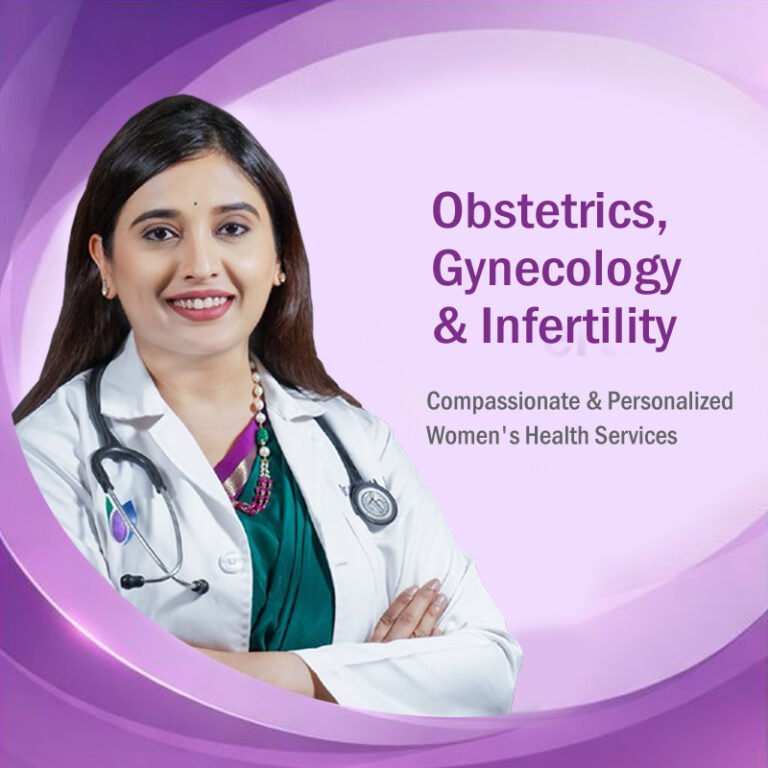
Meet Your Expert : Dr. Samiksha Jain
Dr. Samiksha Jain
Obstetrician, Gynecologist & Fertility Specialist
MBBS, MD (Obs/Gyn) Gold Medalist
Fellowship in Reproductive Medicine (Bangalore),
Fellowship in Minimal Access Surgery (Bangalore),
Advanced Diploma in Reproductive Medicine (Germany)
Dr. Samiksha Jain is a highly accomplished Obstetrician, Gynecologist, and Fertility Specialist known for her compassionate approach and excellence in women’s healthcare. A Gold Medalist in MD (Obstetrics & Gynecology), she combines academic brilliance with advanced clinical expertise to provide the highest standard of care to her patients. Dr. Samiksha Jain is an esteemed Gynecologist dedicated to empowering women through natural, comprehensive, and deeply personalized health protocols.
Frequently Asked Questions (FAQs)
1. Are severe menstrual cramps just a normal part of being a woman?
Absolutely not. While mild discomfort or a sensation of heaviness is common due to natural uterine contractions, pain that forces you to miss work, skip school, induces vomiting, or leaves you bedridden is a clear medical anomaly. Severe pain is your body’s critical warning sign of high inflammation or underlying pathology like endometriosis.
2. How can I tell if my cramps are primary (normal) or secondary (caused by a disease)?
Primary cramps usually begin in your teenage years right after your periods start, peak on the first day of bleeding, and respond very well to standard painkillers. Secondary cramps often develop later in life (in your 20s or 30s), begin days before the period even starts, last throughout the entire cycle, feel much deeper or heavier, and frequently resist standard medications.
3. Can changing my diet actually make a significant difference in my pain levels?
Yes, profoundly. Menstrual pain is driven by inflammatory chemicals called prostaglandins. By adopting an anti-inflammatory diet rich in Omega-3 fatty acids (salmon, walnuts) and strictly avoiding highly processed foods, excess sugar, and refined seed oils, you can naturally and drastically starve the body’s ability to produce these pain-causing chemicals.
4. Will going on the birth control pill affect my ability to get pregnant later in life?
No. This is a very common, persistent myth. Hormonal contraceptive pills simply pause ovulation and thin the uterine lining while you are actively taking them. Once you discontinue the medication, the synthetic hormones rapidly clear from your system, and your natural fertility baseline returns, typically within one to three cycles.
5. Why do I get severe diarrhea and nausea along with my cramps?
The same chemical messengers (prostaglandins) that force your uterus to cramp powerfully can enter your bloodstream and interact directly with the smooth muscles of your digestive tract. This causes your intestines to contract violently and rapidly, leading to sudden diarrhea, intense nausea, and frequently, vomiting.
6. Is an ultrasound always able to detect what is causing my severe pain?
Unfortunately, no. While a transvaginal ultrasound is excellent at spotting large fibroids, thick uterine linings, and massive ovarian cysts, it is notoriously poor at visualizing superficial endometriosis. The microscopic lesions of endometriosis often do not show up on any imaging scan, which is why a surgical laparoscopy remains the gold standard for definitive diagnosis.
7. I want to have a baby soon. What are my options if I have massive fibroids causing pain?
If you desire future fertility, a myomectomy is the preferred surgical route. In this highly precise procedure, the surgeon meticulously cuts out and removes only the benign fibroid tumors, leaving the healthy uterine tissue entirely intact and carefully reconstructing the uterine wall to safely support a future pregnancy.
8. At what point should I stop trying home remedies and see a specialist?
You must consult a gynecologist immediately if your cramps require you to take excessive amounts of painkillers, if the pain disrupts your daily life or work schedule, if you experience pain during sexual intercourse, or if your severe cramps are accompanied by unusually heavy bleeding that soaks through a pad every hour.
Disclaimer: The highly detailed information provided in this extensive article is strictly for educational, informational, and awareness purposes only. It is not intended to be a substitute for professional medical advice, clinical diagnosis, or specialized therapeutic treatment. Always seek the direct, personalized advice of your physician or qualified healthcare provider regarding any medical condition, anatomical concerns, or prior to initiating any new medication, dietary change, or surgical procedure.