Postpartum hemorrhage in Nagpur: The culmination of human gestation and the arrival of a newborn represent one of the most magnificent, emotionally transcendent, and physically profound milestones in a family’s journey. Across forty weeks of meticulous maternal nurturing, developmental tracking, and emotional preparation, the female body undergoes staggering physiological adaptations to support the growing fetus. Following the birth of the baby, the maternal body initiates a swift, highly orchestrated transition designed to expel the placenta, contract the muscular walls of the uterus, and achieve natural vascular homeostasis. While the vast majority of childbirth experiences proceed smoothly with natural physiological involution, certain anatomical, mechanical, or systemic factors can disrupt this delicate post-delivery equilibrium, resulting in excessive bleeding known as postpartum hemorrhage. In the vibrant and rapidly expanding city of Nagpur, elite maternal-fetal healthcare infrastructure provides expectant mothers with world-class clinical oversight, advanced surgical preparedness, and comprehensive hospital readiness, including integrated Intensive Care Unit backup. Whether you have navigated your gestational journey under structured Pregnancy Care protocols, managed specialized surveillance pathways for a High Risk Pregnancy in Nagpur, addressed early gestational spotting that required Vaginal bleeding Treatment, evaluated anatomical development through an Anomaly Scan in Nagpur or third-trimester Growth Scan in Nagpur, monitored placental hemodynamics via Obstetric Doppler in Nagpur, or prepared for a complex delivery within an elite High Risk Delivery with ICU backup in Nagpur suite, understanding the true clinical scope of postpartum hemorrhage is essential for complete peace of mind. Cultural anxiety, generalized fears of labor complications, or unfamiliarity with modern obstetric emergency preparedness can sometimes overshadow this vital topic. It is vital to recognize that modern advanced obstetrics prioritizes proactive risk stratification, rapid physical intervention protocols, and state-of-the-art life-support infrastructure to manage complex deliveries safely without relying on chemical or pharmaceutical drug interventions. Finding an expert, empathetic Gynecologist in Nagpur is the foundational step in receiving precise birth planning, elite hospital coordination, and personalized guidance tailored to your unique anatomical and physiological profile. To truly comprehend the profound scope of postpartum hemorrhage management, one must explore the fundamental physiology of uterine involution, the classic diagnostic classification of the “Four Ts,” risk factors and early identification, advanced clinical surveillance, multidisciplinary team dynamics, emergency physical maneuvers, postpartum rehabilitation, and holistic urogenital restoration. Consequently, approaching postpartum hemorrhage requires a multi-dimensional, deeply supportive framework that honors clinical excellence, uncompromising safety, and holistic maternal-fetal well-being.
The Physiology of Uterine Involution and Postpartum Hemostasis
To effectively approach Postpartum Hemorrhage in Nagpur, it is medically necessary to understand the remarkable physiological mechanisms that govern the immediate postpartum period. During pregnancy, the uterus expands from a small, pear-sized pelvic organ into a massive muscular sanctuary capable of housing a full-term baby, placenta, and several liters of amniotic fluid. This immense expansion requires a rich, highly specialized vascular network supplied primarily by the uterine and ovarian arteries, which deliver massive volumes of blood directly into the placental intervillous space.
When the baby is born and the placenta subsequently separates from the inner uterine wall, a vast number of open maternal blood vessels are left exposed at the placental implantation site. In a normal physiological state, the body achieves hemostasis through two primary mechanisms:
- Mechanical Myometrial Contraction (The Living Ligatures): The thick, interwoven muscle fibers of the myometrium contract powerfully in all directions immediately following placental delivery. These contracting muscle fibers act as physiological “living ligatures,” compressing and clamping down tightly on the severed blood vessels to instantly halt blood flow.
- Coagulation and Clotting Activation: Local and systemic hemostatic pathways engage to form stable clots within the vascular openings, sealing the mucosal surface as the uterus begins its rapid process of involution.
When myometrial contraction is sluggish, incomplete, or obstructed by anatomical factors, blood flow continues unabated from the open vascular channels, leading to postpartum hemorrhage. Understanding this foundational physiology underscores why maintaining strong muscular tone and optimal uterine health is the ultimate shield against excessive bleeding.
Classifying the Causes: The “Four Ts” of Postpartum Hemorrhage
Modern maternal-fetal medicine categorizes the underlying causes of postpartum hemorrhage into four distinct physiological groups, widely known as the “Four Ts”: Tone, Tissue, Trauma, and Thrombin. Identifying which category is at play guides the clinical team in executing precise, targeted physical and surgical management.
The Four Ts encompass:
- Tone (Uterine Atony): The single most frequent cause of postpartum hemorrhage, accounting for the vast majority of cases. Uterine atony occurs when the muscular walls of the uterus fail to contract effectively after placental delivery, leaving the open placental vessels uncompressed. Contributing factors include prolonged labor, overdistension of the uterus from multiple gestations or excessive amniotic fluid, and muscular exhaustion.
- Tissue (Retained Products of Conception): Hemorrhage can occur if small fragments of placental tissue, membranes, or blood clots remain trapped inside the uterine cavity, preventing the myometrium from achieving full, continuous contraction. For women with prior structural histories evaluated during Uterine polyps Treatment or endocrine variations managed under structured PCOS Treatment protocols, meticulous inspection of the placenta following delivery is an essential preventive step.
- Trauma (Anatomical Lacerations and Rupture): Physical injury to the lower reproductive tract during childbirth—including tears of the cervix, vagina, perineum, or accidental extension of a surgical incision—can cause significant bleeding despite a well-contracted uterus. Rare events such as uterine rupture also fall under this mechanical category.
- Thrombin (Coagulation Disorders): Inherited or acquired bleeding disorders that impair the body’s natural blood-clotting ability. While less common, pre-existing coagulation profiles identified during early preconception counseling like Pre Conception Counselling allow clinical teams to anticipate and prepare for these risks well in advance.
Systematically evaluating each of these four categories ensures that clinical interventions are both comprehensive and immediately effective.
Risk Factors and Early Identification During Pregnancy and Labor
While postpartum hemorrhage can occasionally occur unpredictably in women with no prior risk factors, the vast majority of cases are associated with identifiable clinical markers. Recognizing these risk factors during prenatal care allows the obstetric team to establish elite preventive birth plans.
The primary risk factors for postpartum hemorrhage include:
- Prior History of Postpartum Hemorrhage: Women who experienced excessive bleeding in a previous delivery carry a statistically elevated probability of recurrence, necessitating specialized birth planning in an advanced facility.
- Overdistended Uterine Cavity: Gestations involving multiple fetuses (twins, triplets) or excessive amniotic fluid volume (polyhydramnios) stretch myometrial fibers beyond their optimal contractile capacity.
- Prolonged or Augmented Labor: Extended labor exhaust myometrial muscles, reducing their ability to contract powerfully immediately following birth.
- Placental Abnormalities: Conditions such as placenta previa (low-lying placenta) or placenta accreta spectrum (where placental villi invade deep into the myometrial wall) pose severe risks of massive hemorrhage during and after delivery.
- Maternal Anemia: Low baseline red blood cell counts entering childbirth reduce the body’s physiological reserve to tolerate normal blood loss, making prenatal nutritional optimization essential.
Mapping these vulnerabilities early ensures that high-risk deliveries are scheduled exclusively in fully equipped tertiary centers with immediate surgical and intensive care backup.
Advanced Clinical Surveillance, Monitoring, and Diagnostic Modalities
Managing postpartum hemorrhage successfully requires unyielding vigilance, continuous physical monitoring, and advanced diagnostic capabilities in the immediate hours following childbirth.
The core surveillance and diagnostic practices include:
- Continuous Uterine Tone Assessment: Trained nursing and clinical staff perform frequent, gentle abdominal palpation to verify that the uterus remains firm, contracted, and well-positioned in the lower pelvis.
- Accurate Blood Loss Quantification: Moving beyond visual estimation, modern obstetric units utilize direct gravimetric measurement (weighing surgical sponges and drapes) to calculate exact blood loss in real-time, preventing underestimation.
- Vital Sign Telemetry: Continuous tracking of maternal heart rate, blood pressure, oxygen saturation, and respiratory rate provides early hemodynamic indicators of circulatory stress long before overt symptoms appear.
- Laboratory Biomarker Panels: Serial tracking of hemoglobin, hematocrit, and coagulation parameters to assess systemic stability and guide physical and restorative care.
This meticulous monitoring protocol ensures that any deviation from normal postpartum recovery is intercepted within seconds.
Emergency Physical Maneuvers, Interventions, and ICU Backup
When postpartum hemorrhage occurs, every second counts. Tertiary healthcare facilities in Nagpur are equipped with structured, rapid-response protocols that unite multidisciplinary specialist teams to execute life-saving physical interventions seamlessly.
The emergency management hierarchy encompasses:
- Bimanual Uterine Compression and Massage: Skilled obstetricians utilize immediate physical maneuvers—placing one hand inside the vagina and the other firmly on the abdominal wall—to physically compress and stimulate the myometrium into contracting.
- Uterine Balloon Tamponade: When atony persists, specialized inflatable intrauterine balloons are gently placed inside the uterine cavity, applying outward hydrostatic pressure against the bleeding vascular beds to achieve mechanical hemostasis.
- Surgical Compression Sutures and Vascular Ligations: In complex cases where conservative physical measures are insufficient, advanced surgical techniques—such as specialized uterine compression sutures or targeted pelvic vessel ligations performed by expert minimal-access surgeons—are executed to preserve uterine structure.
- Integrated ICU Backup Support: If massive blood loss induces temporary systemic instability, the patient is seamlessly transferred to the on-site Intensive Care Unit, where critical care specialists provide advanced hemodynamic support, continuous telemetry, and comprehensive physiological restoration.
This seamless integration of surgical expertise and critical care infrastructure guarantees absolute safety during obstetric emergencies.
Postpartum Recovery, Tissue Restoration, and Holistic Rehabilitation
The recovery phase following a postpartum hemorrhage requires dedicated physical rest, emotional reassurance, and specialized rehabilitative care to support the maternal body through tissue repair and vitality restoration.
Physical Rest and Recuperation: Following excessive blood loss, the body requires an extended period of physical rest to allow red blood cell regeneration and cardiovascular recovery. Expectant mothers are encouraged to delegate newborn care tasks and focus entirely on deep relaxation.
Preventing Long-Term Urogenital and Pelvic Complications: The profound physical strain of labor, emergency interventions, and pelvic vascular congestion places significant stress on the pelvic floor muscles and supportive fascial structures. Ensuring proper postpartum healing prevents long-term urogenital complications, protecting against future issues such as postpartum stress urinary leakage requiring Stress incontinence Treatment or fascial descents managed under Uterine prolapse Treatment protocols. Integrating gentle pelvic floor rehabilitation into postpartum recovery restores core strength and long-term pelvic harmony.
Nutritional Excellence, Whole Foods, and Blood Volume Restoration
Rebuilding physical strength, repairing uterine tissues, and replenishing red blood cell counts following postpartum hemorrhage demand an uncompromising commitment to wholesome nutrition and natural dietary excellence.
Nutrient-Dense Whole Foods and Iron-Rich Botanicals: Emphasizing an abundant variety of deeply pigmented antioxidant vegetables, dark leafy greens, nutrient-dense whole grains, legumes, seeds, and fresh organic fruits provides the vital micronutrients, vitamins, and minerals required for rapid hemoglobin synthesis and cellular repair.
Hydration and Metabolic Support: Maintaining consistent daily hydration with pure water, fresh coconut water, and mineral-rich herbal infusions supports expanded blood volume normalization and efficient metabolic waste elimination, ensuring smooth circulatory function across all organ systems.
Emotional Sanctuary and Stress Reduction: Honoring the body’s need for deep psychological and physical rest regulates maternal cortisol levels, fostering a peaceful internal environment that accelerates healing and strengthens the sacred bond between mother and newborn.
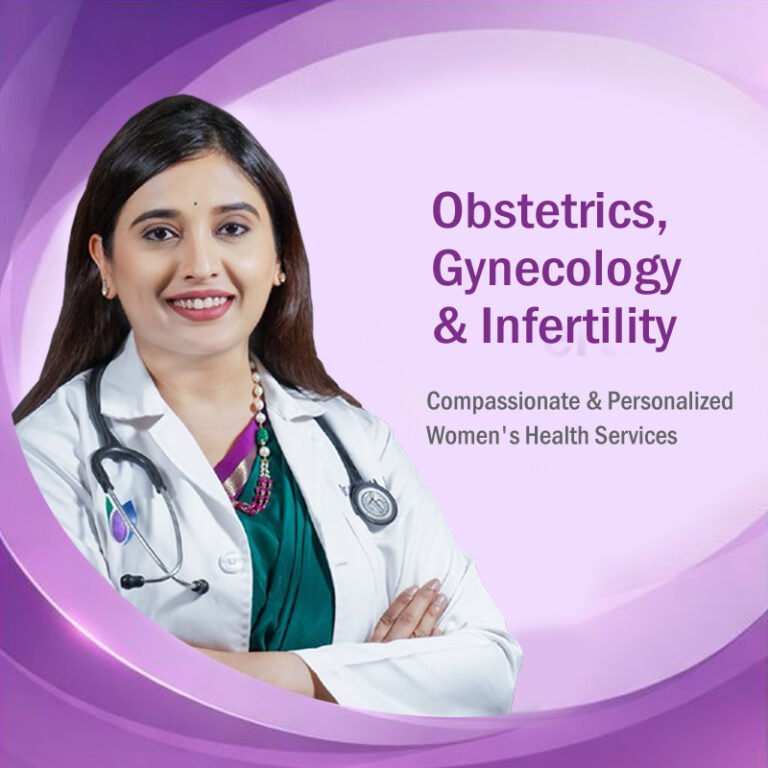
Meet Your Expert : Dr. Samiksha Jain
Dr. Samiksha Jain
Obstetrician, Gynecologist & Fertility Specialist
MBBS, MD (Obs/Gyn) Gold Medalist
Fellowship in Reproductive Medicine (Bangalore),
Fellowship in Minimal Access Surgery (Bangalore),
Advanced Diploma in Reproductive Medicine (Germany)
Dr. Samiksha Jain is a highly accomplished Obstetrician, Gynecologist, and Fertility Specialist known for her compassionate approach and excellence in women’s healthcare. A Gold Medalist in MD (Obstetrics & Gynecology), she combines academic brilliance with advanced clinical expertise to provide the highest standard of care to her patients. Dr. Samiksha Jain is an esteemed Gynecologist dedicated to empowering women through natural, comprehensive, and deeply personalized health protocols. With her profound expertise in high-risk obstetrics, maternal-fetal medicine, and emergency obstetric management, she offers state-of-the-art clinical support for postpartum hemorrhage prevention and care, ensuring a safe, deeply reassuring, and beautifully joyful gestation and childbirth journey for every mother.
Frequently Asked Questions (FAQs)
1. What is postpartum hemorrhage, and why does it occur after childbirth?
Postpartum hemorrhage is defined as excessive bleeding following the delivery of a baby, most commonly caused by sluggish myometrial contraction (uterine atony), retained placental tissue, or anatomical trauma.
2. What are the primary risk factors associated with excessive postpartum bleeding?
Risk factors include prior history of postpartum hemorrhage, overdistended uteri from multiple gestations, prolonged labor, placental abnormalities, and maternal anemia.
3. How do healthcare providers monitor for postpartum hemorrhage in the delivery suite?
Staff perform continuous uterine tone checks, track vital sign telemetry, and utilize direct gravimetric measurement of blood loss to detect hemodynamic changes instantly.
4. What emergency physical interventions are utilized if excessive bleeding occurs?
Interventions include bimanual uterine compression and massage, uterine balloon tamponade, specialized surgical compression sutures, and seamless transfer to an on-site ICU.
5. How does pre-conception planning help prevent hemorrhage risks?
Engaging in proactive Pre Conception Counselling establishes a pristine physiological baseline, optimizing red blood cell counts and identifying underlying coagulation profiles before pregnancy begins.
6. What nutritional steps support recovery after experiencing postpartum blood loss?
Consuming nutrient-dense whole foods rich in iron, vitamins, and minerals, alongside consistent hydration, supports rapid red blood cell regeneration and overall tissue repair.
7. How does postpartum care prevent long-term urogenital complications?
Integrating gentle pelvic floor rehabilitation into postpartum recovery restores core strength, protecting against future issues such as postpartum stress urinary leakage requiring Stress incontinence Treatment.
8. When should I book my initial high-risk pregnancy and delivery consultations in Nagpur?
You should schedule your consultations early in your pregnancy, allowing your obstetrician to integrate elite hospital planning and emergency-backed delivery coordination seamlessly into your comprehensive Pregnancy Care roadmap.
Disclaimer: The comprehensive information provided in this extensive article is strictly for educational, informational, and awareness purposes only. It is not intended to be a substitute for professional medical advice, clinical diagnosis, or specialized therapeutic treatment. Always seek the direct, personalized advice of your physician or qualified healthcare provider regarding any medical condition, anatomical concerns, or prior to initiating any new dietary change, physical therapy, or surgical procedure.