
4D Scan in Nagpur: The magnificent journey of human gestation unfolds through a series of breathtaking milestones, transitioning from microscopic cellular beginnings into a vibrant, fully formed infant ready to greet the world. For expectant parents, pregnancy is an emotionally profound experience characterized by wonder, anticipation, and an eager desire to catch a realistic glimpse of their growing baby long before birth. In modern maternal-fetal medicine, advanced diagnostic imaging has transcended traditional clinical boundaries, blending rigorous medical precision with extraordinary visual clarity. In the vibrant and rapidly expanding medical landscape of Nagpur, elite healthcare infrastructure and specialized gynecological care provide expectant families with world-class diagnostic imaging services, including expert coordination and performance of advanced 4D ultrasound scans. Whether you have managed your early gestation under structured Pregnancy Care protocols, navigated specialized surveillance pathways for a High Risk Pregnancy in Nagpur, addressed early-trimester spotting requiring Vaginal bleeding Treatment, evaluated foundational genetic markers through an NT Scan in Nagpur, reviewed structural organogenesis during an Anomaly Scan in Nagpur, monitored third-trimester biometric development via a Growth Scan in Nagpur, assessed placental hemodynamics through Obstetric Doppler in Nagpur, sought genetic clarity via Amniocentesis in Nagpur, or prepared for complex delivery within an elite High Risk Delivery with ICU backup in Nagpur suite, understanding the true clinical and emotional scope of a 4D scan is essential for complete peace of mind. Cultural anxiety, generalized misconceptions regarding ultrasound safety, or unfamiliarity with advanced rendering technologies can sometimes overshadow this joyful milestone. It is vital to recognize that modern diagnostic obstetrics offers sophisticated, non-invasive, and exceptionally safe imaging protocols designed to capture real-time surface motion without relying on chemical or pharmaceutical drug interventions. Finding an expert, empathetic Gynecologist in Nagpur is the foundational step in receiving accurate clinical counseling, precise scan execution, and personalized guidance tailored to your unique gestational profile. To truly comprehend the profound significance of a 4D Scan in Nagpur, one must explore the fundamental physics of ultrasound rendering, the technological leap from 2D to 4D imaging, optimal gestational timing, procedural expectations, emotional bonding benefits, and how these insights integrate seamlessly into broader prenatal wellness pathways. Consequently, approaching a 4D scan requires a multi-dimensional, deeply supportive framework that honors scientific accuracy, clinical excellence, and holistic maternal-fetal well-being.
The Evolution of Prenatal Imaging: From Diagnostic Cross-Sections to Real-Time Motion
To effectively approach a 4D scan, it is medically necessary to explore the remarkable technological evolution that has transformed obstetric ultrasonography over recent decades. Historically, prenatal ultrasound relied exclusively on two-dimensional (2D) imaging, producing flat, grayscale, cross-sectional views of internal organs and skeletal structures. While 2D imaging remains the absolute gold standard for internal medical diagnosis—such as evaluating cardiac chambers, neural structures, and blood flow—it requires specialized training to interpret.
The introduction of three-dimensional (3D) ultrasound revolutionized visual rendering by taking multiple 2D planes and mathematically reconstructing them into static, volumetric images that display the surface contour of the fetus with remarkable spatial realism. Building directly upon this foundation, four-dimensional (4D) ultrasound adds the critical dimension of *time* to 3D rendering. By processing volumetric data frames at high speeds, 4D ultrasound displays continuous, real-time moving video of the fetus. This allows parents to watch their baby yawn, blink, smile, swallow, and move inside the womb as it happens. Understanding this technological progression empowers families to appreciate both the clinical precision and the emotional beauty of modern prenatal imaging.
Defining the 4D Scan: How It Works and What It Achieves
A 4D scan is an advanced, non-invasive ultrasound examination that utilizes specialized multi-frequency transducers and powerful computer software algorithms to render real-time, three-dimensional moving images of the developing fetus.
The primary objectives and capabilities of a 4D scan include:
- Real-Time Surface Motion Capture: Displaying continuous video streams of fetal activity, capturing spontaneous facial expressions, breathing movements, thumb-sucking, and limb stretching.
- Enhanced Surface Anatomy Visualization: Providing clear visualization of superficial structures, including facial features, profile contours, fingers, toes, and skin texture, complementing the internal structural evaluation performed during earlier scans like the Anomaly Scan in Nagpur.
- Strengthening Maternal-Fetal Bonding: Offering parents an intimate, tangible visual connection with their baby, which has been clinically shown to encourage positive maternal health behaviors and emotional attachment during pregnancy.
- Complementary Clinical Assessment: Assisting clinicians in evaluating superficial soft tissue features, surface contours, and active fetal tone when indicated alongside standard diagnostic measurements.
This sophisticated imaging modality bridges the gap between high-level clinical diagnostics and profound emotional reassurance.
The Ideal Gestational Window for Optimal 4D Visualization
The timing of a 4D scan is governed by specific physiological parameters related to fetal fat deposition, amniotic fluid volume, and intrauterine space to ensure the clearest and most striking visual outcomes.
The Optimal Gestational Window: While 4D imaging can technically be performed at various stages of pregnancy, the optimal window for capturing detailed facial features and surface contours is strictly between twenty-six and thirty-two weeks of gestation.
- Why This Window Matters: Prior to twenty-four weeks, the fetus has minimal subcutaneous fat beneath the skin, causing facial features to appear thin or skeletal. Conversely, after thirty-four weeks, the baby grows significantly larger while amniotic fluid volume naturally decreases relative to fetal size, and the baby often engages deeply into the maternal pelvis, restricting clear facial visualization. Within the 26-to-32-week window, there is an ideal balance of subcutaneous fat deposition, generous amniotic fluid pockets surrounding the face, and sufficient room for movement.
Holistic Preparation and Assessment: Prior to scheduling the scan, a comprehensive pre-test consultation ensures that expectations are aligned. No complex fasting is required. Maintaining consistent daily hydration in the days leading up to the appointment optimizes amniotic fluid clarity, ensuring pristine acoustic windows for image rendering.
Step-by-Step Procedural Walkthrough and Clinical Environment
Understanding the procedural workflow of a 4D scan helps ensure a relaxed, comfortable, and deeply rewarding experience for expectant parents.
The step-by-step procedural methodology encompasses:
- Comfortable Patient Positioning: The mother reclines comfortably in a specialized examination suite designed for relaxation, often featuring ambient lighting and display screens dedicated to family viewing.
- Acoustic Gel Application: A warm, hypoallergenic acoustic gel is applied to the maternal abdomen to facilitate smooth transmission of ultrasound waves between the transducer and skin.
- Advanced Volumetric Scanning: The sonographer utilizes specialized 3D/4D transducers to scan the intrauterine environment, adjusting focal zones, surface filters, and lighting simulation software to highlight fetal facial features and movements.
- Patient Cooperation and Repositioning: Because 4D rendering relies heavily on optimal fetal positioning and clear fluid pockets in front of the face, gentle maternal repositioning or a short walk may occasionally be encouraged if the baby is facing posteriorly against the uterine wall.
This meticulous, patient-centered approach ensures that every 4D scan executed in Nagpur delivers exceptional visual clarity and a serene clinical experience.
Integration with Comprehensive Prenatal Care and Diagnostics
While 4D scans offer extraordinary emotional and superficial visual benefits, they operate as part of a comprehensive, medically rigorous continuum of prenatal care.
The diagnostic integration encompasses:
- Correlation with Growth and Doppler Metrics: Findings from 4D imaging are evaluated alongside objective biometric measurements from standard third-trimester assessments like a Growth Scan in Nagpur and vascular evaluations via Obstetric Doppler in Nagpur to ensure comprehensive fetal well-being.
- Seamless Continuum of Care: Connecting early screening milestones—such as the NT Scan in Nagpur—with mid-trimester structural checks and late-stage developmental monitoring under structured Pregnancy Care roadmaps.
- Preventing Long-Term Urogenital Complications: Supporting maternal physical health throughout gestation by addressing pelvic floor integrity, protecting against future issues such as postpartum stress urinary leakage requiring Stress incontinence Treatment or fascial descents managed under Uterine prolapse Treatment protocols.
This structured integration ensures that emotional bonding milestones never compromise rigorous medical standards.
Nutritional Excellence, Whole Foods, and Third-Trimester Vitality
Nourishing the maternal body through the demanding metabolic shifts of the third trimester requires an unwavering commitment to wholesome nutrition, vibrant whole foods, and natural dietary excellence.
Nutrient-Dense Whole Foods and Mineral Optimization: Emphasizing an abundant variety of dark leafy greens, colorful antioxidant-rich vegetables, clean lean proteins, healthy essential fats, and complex whole grains provides the vital micronutrients, iron, calcium, and vitamins required for optimal fetal growth, blood volume expansion, and maternal tissue support.
Hydration and Metabolic Restoration: Maintaining consistent daily hydration with pure water, fresh coconut water, and mineral-rich infusions supports expanded amniotic fluid clarity, efficient metabolic waste elimination, and smooth circulatory function across all organ systems.
Mindful Movement and Stress Reduction: Balancing gentle prenatal stretching, restorative breathing exercises, and quiet meditation regulates maternal cortisol levels, fostering a serene internal environment that benefits both mother and baby. Combining these holistic lifestyle habits with elite medical oversight ensures that every stage of gestation is nurtured to absolute perfection.
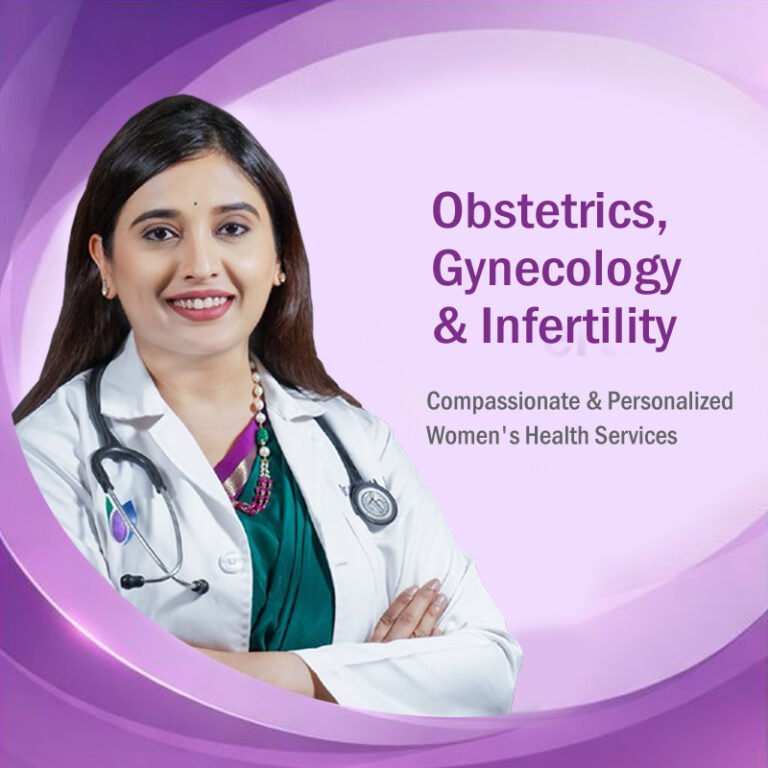
Meet Your Expert : Dr. Samiksha Jain
Dr. Samiksha Jain
Obstetrician, Gynecologist & Fertility Specialist
MBBS, MD (Obs/Gyn) Gold Medalist
Fellowship in Reproductive Medicine (Bangalore),
Fellowship in Minimal Access Surgery (Bangalore),
Advanced Diploma in Reproductive Medicine (Germany)
Dr. Samiksha Jain is a highly accomplished Obstetrician, Gynecologist, and Fertility Specialist known for her compassionate approach and excellence in women’s healthcare. A Gold Medalist in MD (Obstetrics & Gynecology), she combines academic brilliance with advanced clinical expertise to provide the highest standard of care to her patients. Dr. Samiksha Jain is an esteemed Gynecologist dedicated to empowering women through natural, comprehensive, and deeply personalized health protocols. With her profound expertise in high-risk obstetrics, maternal-fetal medicine, and advanced prenatal diagnostic coordination, she offers state-of-the-art clinical support for 4D ultrasound imaging and comprehensive prenatal care, ensuring a safe, deeply reassuring, and beautifully joyful gestation journey for every mother.
Frequently Asked Questions (FAQs)
1. What is a 4D scan, and how does it differ from a standard ultrasound?
A 4D scan adds real-time motion (the fourth dimension) to 3D static surface rendering, displaying live video footage of the baby moving inside the womb, whereas standard 2D scans provide internal cross-sectional views.
2. At what exact gestational weeks is a 4D scan best performed?
The optimal window for a 4D scan is strictly between twenty-six and thirty-two weeks of gestation, when fetal fat deposition and amniotic fluid volume provide ideal visual clarity.
3. Is a 4D ultrasound scan safe for the mother and the developing fetus?
Yes, 4D ultrasounds use standard sound waves identical to conventional diagnostic ultrasounds and are entirely safe, non-invasive, and non-ionizing.
4. What preparation is required before attending a 4D scan appointment?
No complex fasting is required; however, maintaining good daily hydration in the days prior helps optimize amniotic fluid clarity for the best possible image rendering.
5. Can a 4D scan replace a diagnostic anomaly scan?
No, 4D scans focus on surface rendering and emotional bonding; they complement but do not replace comprehensive diagnostic evaluations like the mid-trimester Anomaly Scan in Nagpur.
6. What happens if the baby’s face is hidden during the 4D scan?
If the baby is facing away, the sonographer may gently suggest walking or repositioning to encourage the baby to shift into a more favorable viewing angle.
7. How does pre-conception care connect to healthy third-trimester outcomes?
Engaging in proactive Pre Conception Counselling establishes a pristine physiological baseline, optimizing maternal health, nutrition, and metabolic preparedness before conception.
8. When should I book my prenatal consultations and imaging scans in Nagpur?
You should schedule your consultations early in your pregnancy, allowing your obstetrician to integrate advanced imaging milestones seamlessly into your comprehensive Pregnancy Care roadmap.
Disclaimer: The comprehensive information provided in this extensive article is strictly for educational, informational, and awareness purposes only. It is not intended to be a substitute for professional medical advice, clinical diagnosis, or specialized therapeutic treatment. Always seek the direct, personalized advice of your physician or qualified healthcare provider regarding any medical condition, anatomical concerns, or prior to initiating any new dietary change, physical therapy, or surgical procedure.