Male Infertility Treatment in Nagpur: The profound desire to build a thriving family and nurture new life represents one of the most deeply cherished aspirations of the human experience. While historical perspectives often disproportionately placed the focal point of reproductive challenges solely upon the female partner, modern reproductive medicine recognizes that male factor subfertility contributes to approximately forty to fifty percent of all infertility cases globally. For many couples, discovering that male reproductive hurdles are influencing their journey toward parenthood can evoke initial surprise or emotional concern. However, in contemporary medical science, extraordinary breakthroughs in urological diagnostics, micromanipulation embryology, and advanced assisted reproductive technologies have transformed male infertility from a permanent barrier into a highly treatable, manageable condition with remarkable success rates. In the vibrant, medically progressive city of Nagpur, elite healthcare infrastructure and specialized reproductive centers provide men and couples facing fertility challenges with world-class medical evaluations, cutting-edge surgical interventions, and deeply compassionate, individualized care. Whether you have established your early wellness baseline through structured preconception protocols like Pre Conception Counselling, navigated underlying female endocrine imbalances managed under structured PCOS Treatment regimens, resolved structural uterine concerns through targeted Uterine polyps Treatment, explored broad reproductive solutions via Infertility Treatment in Nagpur, managed early-trimester adjustments requiring Vaginal bleeding Treatment, prepared for future milestones like an NT Scan in Nagpur or mid-trimester Anomaly Scan in Nagpur, reviewed late-stage biometric development via a Growth Scan in Nagpur, assessed vascular hemodynamics through Obstetric Doppler in Nagpur, sought genetic clarity via Amniocentesis in Nagpur, transitioned into specialized Pregnancy Care roadmaps, planned for high-risk surveillance under High Risk Pregnancy in Nagpur, or secured delivery suites backed by High Risk Delivery with ICU backup in Nagpur, understanding the true clinical scope of male infertility treatment is essential for absolute peace of mind. Societal stigma, generalized misconceptions regarding male reproductive health, or unfamiliarity with modern clinical pathways can sometimes cause unnecessary hesitation or delayed diagnosis. It is vital to recognize that modern reproductive medicine offers sophisticated, evidence-based, and highly personalized therapies designed to address the root causes of male subfertility without relying on generalized or one-size-fits-all assumptions. Finding an expert, empathetic Gynecologist and Fertility Specialist in Nagpur is the foundational step in receiving accurate diagnostic evaluations, advanced ART coordination, and tailored guidance. To truly comprehend the profound scope of male infertility care, one must explore the underlying medical etiologies, comprehensive diagnostic workups, medical management, advanced surgical sperm retrieval, micromanipulation techniques like ICSI, and holistic wellness support. Consequently, approaching male infertility requires a multi-dimensional, deeply supportive framework that honors scientific excellence, uncompromising safety, and emotional well-being.
The Physiology of Male Reproduction and Spermatogenesis
To effectively understand and approach male infertility treatment, it is medically necessary to explore the intricate physiological choreography that governs human male reproductive biology. Unlike the female reproductive system—which is born with a finite, non-renewable pool of oocytes—the male reproductive system is designed to generate millions of new gametes continuously throughout adult life. This complex process is regulated by the hypothalamic-pituitary-testicular (HPT) axis.
The physiological sequence unfolds as follows:
- Hypothalamic Pulsatile Secretion: The hypothalamus releases Gonadotropin-Releasing Hormone (GnRH) in discrete pulses into the hypophyseal portal system.
- Pituitary Gonadotropin Stimulation: GnRH stimulates the anterior pituitary gland to synthesize and secrete two critical gonadotropins into the systemic circulation: Luteinizing Hormone (LH) and Follicle-Stimulating Hormone (FSH).
- Leydig Cell Activation: LH acts directly on the Leydig cells located within the interstitial tissue of the testes, stimulating the biosynthesis and secretion of testosterone, the primary male sex hormone essential for libido, secondary sex characteristics, and spermatogenesis.
- Sertoli Cell and Germinal Epithelium Support: FSH binds to receptors on the Sertoli cells within the seminiferous tubules. Sertoli cells provide essential structural, nutritional, and regulatory support to the developing germ cells.
- The Spermatogenic Cycle: Spermatogenesis is the biological process by which primordial germ cells (spermatogonia) undergo complex mitotic divisions, meiotic reductions, and profound morphological transformation (spermiogenesis) to mature into spermatozoa. This entire continuous cycle requires approximately seventy-four days, followed by an additional period of transport and maturation within the epididymis.
Disruption at any stage of this delicate hormonal or cellular sequence—whether congenital, acquired, or environmental—can result in quantitative or qualitative alterations in sperm production, leading to male subfertility. Understanding this baseline empowers clinical teams to pinpoint exact functional failures and apply targeted therapeutic solutions.
Comprehensive Classification of Male Infertility Etiologies
Male infertility is rarely caused by a single isolated factor; rather, it stems from a diverse spectrum of physiological, anatomical, genetic, and environmental conditions. Medically, infertility is defined as the inability to achieve a clinical pregnancy after twelve months of regular, unprotected sexual intercourse.
The primary etiological categories governing male subfertility include:
- Pre-Testicular Causes (Endocrinopathies): Accounting for approximately two to five percent of cases, these involve central endocrine disorders where the hypothalamus or pituitary fails to secrete adequate gonadotropins (hypogonadotropic hypogonadism). Examples include Kallmann syndrome, hyperprolactinemia, exogenous anabolic steroid abuse, and severe systemic illnesses that suppress the HPT axis.
- Testicular Causes (Intrinsic Defect in Sperm Production): Accounting for thirty to forty percent of cases, wherein the testes are structurally or genetically incapable of producing normal quantities or quality of sperm. This category encompasses chromosomal abnormalities (such as Klinefelter syndrome, $47,XXY$), Y-chromosome microdeletions, cryptorchidism (undescended testes), previous testicular trauma, mumps orchitis post-puberty, gonadotoxins (chemotherapy or radiation), and varicocele.
- Post-Testicular Causes (Sperm Transport Disorders): Accounting for ten to twenty percent of cases, involving normal spermatogenesis coupled with anatomical obstructions that prevent sperm from exiting the reproductive tract. Examples include congenital bilateral absence of the vas deferens (CBAVD, frequently associated with cystic fibrosis gene mutations), epididymal obstructions due to past infections, vasectomy, or ejaculatory dysfunctions like retrograde ejaculation.
- Idiopathic Infertility: Representing roughly thirty to forty percent of clinical presentations, where standard diagnostic workups reveal normal hormone levels and patent reproductive tracts, yet semen parameters remain sub-optimal, often driven by oxidative stress, genetic polymorphisms, or environmental micro-pollutants.
- Immunological and Functional Factors: The presence of anti-sperm antibodies in seminal plasma that agglutinate sperm or inhibit their motility and ability to bind to the oocyte.
Recognizing these diverse etiologies allows reproductive specialists to construct highly customized diagnostic and therapeutic roadmaps.
Advanced Diagnostic Protocols for Male Infertility
A successful treatment journey begins with an exhaustive, systematic diagnostic evaluation. Modern reproductive clinics in Nagpur utilize advanced laboratory testing, high-resolution imaging modalities, and clinical assessments to map out every variable of a man’s reproductive health.
The core diagnostic suite encompasses:
- Comprehensive Semen Analysis (CSA): The cornerstone of male fertility evaluation, performed according to strict World Health Organization (WHO) standardized criteria. A specialized andrology laboratory evaluates seminal volume, sperm concentration (count), total motility (progressive vs. non-progressive), vitality (live vs. dead ratio), and morphological characteristics (strict Kruger criteria).
- Advanced Sperm Function and DNA Fragmentation Assays: When standard semen analysis is inconclusive or in cases of recurrent pregnancy loss, specialized tests such as the Sperm Chromatin Structure Assay (SCSA) or Comet assay are utilized to measure sperm DNA fragmentation (SDF), identifying structural genetic damage within the spermatozoa.
- Hormonal Profile Assays: Evaluating serum levels of Total Testosterone, Follicle-Stimulating Hormone (FSH), Luteinizing Hormone (LH), Prolactin, and Sex Hormone-Binding Globulin (SHBG) to differentiate between pre-testicular, testicular, and post-testicular etiologies.
- Scrotal and Transrectal Ultrasonography: High-resolution grayscale and color Doppler sonography of the scrotum to evaluate testicular volume, detect intratesticular lesions, and diagnose subclinical or clinical varicoceles. Transrectal ultrasound (TRUS) is utilized when ejaculatory duct obstruction or seminal vesicle abnormalities are suspected.
- Genetic Testing and Karyotyping: Specialized molecular assays including peripheral blood karyotyping, Y-chromosome microdeletion screening, and cystic fibrosis transmembrane conductance regulator (CFTR) gene mutation testing, particularly in cases of severe oligozoospermia or azoospermia.
- Post-Ejaculatory Urinalysis: Performed when retrograde ejaculation is suspected, analyzing urine sediment for the presence of spermatozoa following ejaculation.
This rigorous diagnostic foundation ensures that every subsequent therapeutic intervention is targeted, efficient, and evidence-based.
Medical Management and Pharmacological Protocols
For men experiencing specific endocrine imbalances, infectious etiologies, or oxidative stress-induced subfertility, medical and pharmacological management offers targeted therapeutic restoration of spermatogenesis.
The primary pharmacological approaches include:
- Hormonal Optimization Therapy: In cases of hypogonadotropic hypogonadism, pulsatile GnRH therapy or exogenous gonadotropins (hCG combined with human menopausal gonadotropin or recombinant FSH) stimulate testosterone production and rescue spermatogenesis. In men with mild hyperprolactinemia, dopamine agonists like cabergoline normalize prolactin levels and restore reproductive function.
- Antioxidant Supplementation and Oxidative Stress Reduction: Because reactive oxygen species (ROS) can severely damage sperm cell membranes and induce DNA fragmentation, targeted medical regimens incorporating high-dose antioxidants—such as Vitamin C, Vitamin E, Coenzyme Q10, L-carnitine, zinc, selenium, and astaxanthin—are widely utilized to improve sperm motility and morphological integrity.
- Antibiotic and Anti-Inflammatory Therapy: When semen analysis reveals leukocytospermia or microbiological cultures confirm active genitourinary infections (such as prostatitis or epididymitis), targeted antimicrobial courses eradicate pathogens that impair sperm motility and viability.
- Anti-Estrogens and Aromatase Inhibitors: Medications such as clomiphene citrate or anastrozole are occasionally utilized off-label in hypogonadal or subfertile men to alter the testosterone-to-estradiol ratio, boosting endogenous gonadotropin secretion and intratesticular testosterone synthesis.
These structured medical protocols carefully balance efficacy with safety, enhancing natural reproductive potential where physiological correction is achievable.
Surgical Interventions for Male Infertility
When anatomical barriers, structural abnormalities, or vascular pathologies impede natural sperm production or transport, surgical intervention is frequently required to restore normal anatomy and physiological function.
The primary surgical interventions include:
- Microsurgical Varicocelectomy: A varicocele is an abnormal dilation of the pampiniform venous plexus within the scrotum, which raises scrotal temperature and induces oxidative stress. Utilizing an operating microscope and magnifying loupes through a small inguinal or subinguinal incision, expert surgeons meticulously ligate dilated internal spermic veins while preserving arterial blood supply and lymphatic drainage, significantly improving semen parameters and pregnancy rates.
- Vasectomy Reversal (Vasovasostomy and Vasoepididymostomy): For men who have previously undergone a vasectomy but desire to restore fertility, advanced microsurgical reconstruction re-anastomoses the cut ends of the vas deferens with multi-layered, microscopic sutures. When epididymal backpressure has caused secondary obstruction, complex vasoepididymostomy is performed.
- Transurethral Resection of the Ejaculatory Ducts (TURED): Performed via cystoscopy to excise cysts or obstructions within the ejaculatory ducts, successfully relieving distal blockages in men with obstructive azoospermia and low semen volume.
Combining expert surgical precision with advanced urological techniques ensures comprehensive restoration of male reproductive capacity.
Advanced Surgical Sperm Retrieval Techniques: TESA, PESA, and TESE
In cases of severe non-obstructive azoospermia (where the testes produce few or no sperm into the ejaculate) or obstructive azoospermia (where the reproductive tract is blocked), advanced surgical sperm retrieval techniques allow clinicians to harvest viable spermatozoa directly from the reproductive tract for use in assisted reproduction.
The primary surgical sperm retrieval modalities include:
- Percutaneous Epididymal Sperm Aspiration (PESA): A minimally invasive outpatient procedure performed under local anesthesia, wherein a fine needle is introduced through the skin of the scrotum directly into the epididymis to aspirate fluid containing concentrated, motile spermatozoa.
- Testicular Sperm Aspiration (TESA): Utilizing a fine needle inserted directly into the testicular parenchyma to aspirate small clusters of seminiferous tubules containing spermatozoa, ideal for select cases of obstructive azoospermia.
- Microsurgical Testicular Sperm Extraction (Micro-TESE): The gold standard for non-obstructive azoospermia. Operating under high magnification (using an operating microscope), the surgeon opens the testicular capsule and meticulously inspects the seminiferous tubules, identifying plump, opaque tubules that are most likely to harbor active foci of focal spermatogenesis. This maximizes sperm retrieval rates while minimizing damage to healthy testicular tissue and vascular supply.
These sophisticated retrieval techniques, combined with advanced embryology laboratories, make fatherhood achievable even for men with severe or complete azoospermia.
Assisted Reproductive Technologies (ART) and ICSI for Severe Male Factor Infertility
When medical management and surgical correction are insufficient to achieve natural conception, advanced assisted reproductive technologies offer powerful pathways to parenthood.
The primary ART modalities tailored for male factor infertility include:
- Intrauterine Insemination (IUI): Utilized in cases of mild male factor subfertility (mild asthenospermia or oligozoospermia). The male partner provides a fresh semen sample, which undergoes advanced laboratory “sperm washing” to concentrate motile sperm and remove seminal fluid prostaglandins, after which the concentrated sample is placed directly into the uterine cavity.
- In Vitro Fertilization with Intracytoplasmic Sperm Injection (ICSI): The pinnacle of modern reproductive science for severe male factor infertility. While conventional IVF requires thousands of swimming sperm to naturally fertilize an oocyte, ICSI allows an embryologist to select a single, morphologically pristine, live spermatozoon under high-power magnification and microinject it directly into the cytoplasm of a mature oocyte using a specialized micro-needle.
- Physiological ICSI (PICSI) and IMSI: Advanced modifications of ICSI. PICSI utilizes hyaluronan-coated dishes to select mature, biochemically competent sperm, while High-Magnification Intracytoplasmic Morphologically Selected Sperm Injection (IMSI) utilizes ultra-high-resolution digital imaging (over 6,000x magnification) to evaluate and exclude subtle sub-cellular sperm vacuolization prior to microinjection.
These advanced techniques provide exceptional success rates, offering renewed hope to families facing complex male reproductive challenges.
Lifestyle, Nutritional Excellence, and Metabolic Health in Male Fertility
Optimizing general metabolic health, adopting wholesome nutrition, and eliminating environmental gonadotoxins play a monumental role in enhancing spermatogenesis, reducing sperm DNA fragmentation, and maximizing reproductive success.
Nutrient-Dense Whole Foods and Antioxidant Optimization: Emphasizing an abundant variety of vibrant, antioxidant-rich vegetables, dark leafy greens, clean lean proteins, healthy essential fats (such as omega-3 fatty acids from walnuts, fatty fish, and flaxseeds), and complex whole grains provides the vital micronutrients, vitamins (such as Vitamin C, Vitamin E, and Zinc), and minerals required for optimal cellular replication and mitochondrial energy production within developing spermatozoa.
Hydration and Metabolic Detoxification: Maintaining consistent daily hydration with pure water and mineral-rich infusions supports optimal cellular fluid balance, systemic circulation, and efficient metabolic waste elimination.
Mitigating Environmental and Thermal Hazards: Spermatogenesis is an exquisitely temperature-sensitive process. Avoiding prolonged scrotal heat exposure (such as frequent sauna use, tight restrictive underwear, hot tubs, or resting laptops directly on the lap) preserves optimal testicular thermoregulation. Furthermore, eliminating tobacco smoking, heavy alcohol consumption, and recreational drug use is paramount, as these substances dramatically increase reactive oxygen species and induce permanent sperm DNA damage.
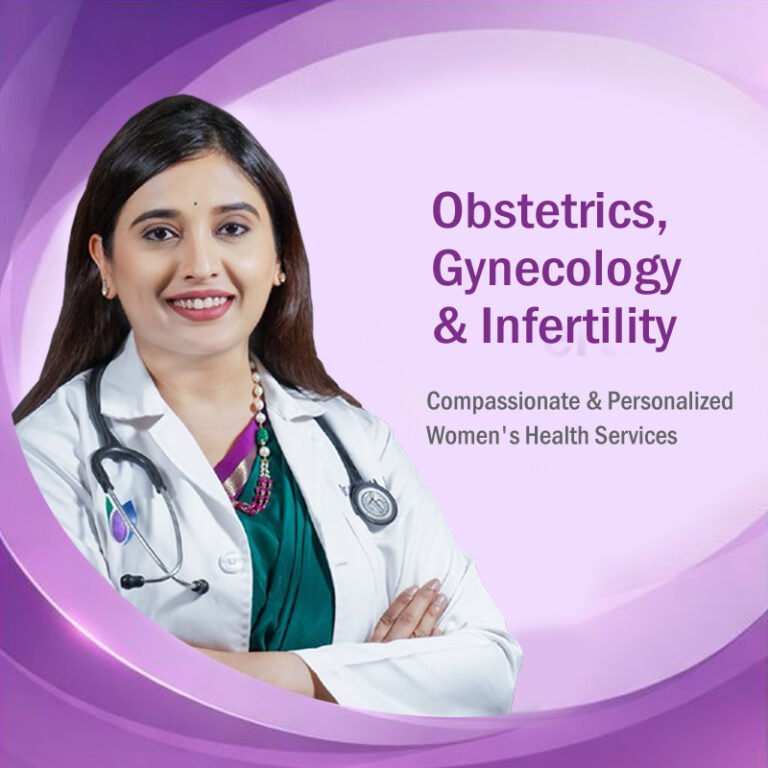
Meet Your Expert : Dr. Samiksha Jain
Dr. Samiksha Jain
Obstetrician, Gynecologist & Fertility Specialist
MBBS, MD (Obs/Gyn) Gold Medalist
Fellowship in Reproductive Medicine (Bangalore),
Fellowship in Minimal Access Surgery (Bangalore),
Advanced Diploma in Reproductive Medicine (Germany)
Dr. Samiksha Jain is a highly accomplished Obstetrician, Gynecologist, and Fertility Specialist known for her compassionate approach and excellence in women’s and reproductive healthcare. A Gold Medalist in MD (Obstetrics & Gynecology), she combines academic brilliance with advanced clinical expertise to provide the highest standard of care to her patients. Dr. Samiksha Jain is an esteemed Fertility Specialist dedicated to empowering couples through natural, comprehensive, and advanced reproductive health protocols. With her profound expertise in assisted reproduction (IVF/ICSI), male factor fertility coordination, minimal access reproductive surgery, and high-risk fertility management, she offers state-of-the-art clinical support, ensuring a safe, deeply reassuring, and successful journey toward parenthood for every family.
Frequently Asked Questions (FAQs)
1. When should a man undergo a fertility evaluation?
A man should undergo evaluation if a couple fails to achieve pregnancy after twelve months of regular unprotected intercourse, or sooner if there are known risk factors such as previous testicular surgery, varicocele, or chemotherapy.
2. What does a standard semen analysis evaluate?
A standard semen analysis evaluates seminal volume, sperm concentration (count), total and progressive motility, vitality, and morphological characteristics according to strict WHO criteria.
3. What is a varicocele, and how does it impact male fertility?
A varicocele is an abnormal enlargement of scrotal veins that increases testicular temperature and oxidative stress, impairing both sperm production and quality. It can be surgically corrected via microsurgical varicocelectomy.
4. Can men with zero sperm count (azoospermia) still father biological children?
Yes. Azoospermia can be obstructive (treatable via surgery or sperm retrieval) or non-obstructive (where advanced techniques like Micro-TESE can successfully retrieve viable sperm for ICSI).
5. What is Intracytoplasmic Sperm Injection (ICSI), and when is it used?
ICSI is an advanced ART procedure where a single, highly selected sperm is microinjected directly into a mature oocyte, overcoming severe male factor infertility.
6. How do lifestyle factors influence sperm quality?
Smoking, excessive alcohol intake, heat exposure, obesity, and poor diet increase oxidative stress and DNA fragmentation, whereas balanced nutrition and antioxidants significantly improve sperm parameters.
7. How does pre-conception counseling support family planning?
Engaging in proactive Pre Conception Counselling establishes a pristine physiological baseline, optimizing metabolic health and nutrition for both partners before attempting conception.
8. Where can I access expert male infertility treatment and comprehensive care in Nagpur?
You can schedule your comprehensive fertility and gynecological consultations in Nagpur, allowing expert specialists to guide you seamlessly through your Pregnancy Care roadmap.
Disclaimer: The comprehensive information provided in this extensive article is strictly for educational, informational, and awareness purposes only. It is not intended to be a substitute for professional medical advice, clinical diagnosis, or specialized therapeutic treatment. Always seek the direct, personalized advice of your physician or qualified healthcare provider regarding any medical condition, anatomical concerns, or prior to initiating any new dietary change, physical therapy, or surgical procedure.