IVF-ET Center in Nagpur: The journey toward building a family and welcoming a child represents one of the most deeply cherished aspirations of the human experience. While historical perspectives on reproductive challenges often carried unnecessary social stigma or limited therapeutic options, contemporary reproductive medicine has revolutionized family planning, offering extraordinary scientific breakthroughs that make biological parenthood achievable for couples facing complex fertility hurdles. At the very center of this progressive therapeutic landscape stands the expertise of a dedicated Infertility Treatment in Nagpur provider. In the vibrant, medically advanced city of Nagpur, elite healthcare infrastructure and specialized In Vitro Fertilization and Embryo Transfer (IVF-ET) centers provide individuals and couples with world-class medical evaluations, cutting-edge embryology laboratories, and deeply compassionate, individualized care. Whether you have established your early wellness baseline through structured preconception protocols like Pre Conception Counselling, navigated underlying female endocrine imbalances managed under structured PCOS Treatment regimens, resolved structural uterine concerns through targeted Uterine polyps Treatment, managed early-trimester adjustments requiring Vaginal bleeding Treatment, prepared for future milestones like an NT Scan in Nagpur or mid-trimester Anomaly Scan in Nagpur, reviewed late-stage biometric development via a Growth Scan in Nagpur, assessed vascular hemodynamics through Obstetric Doppler in Nagpur, sought genetic clarity via Amniocentesis in Nagpur, transitioned into specialized Pregnancy Care roadmaps, planned for high-risk surveillance under High Risk Pregnancy in Nagpur, or secured delivery suites backed by High Risk Delivery with ICU backup in Nagpur, understanding the true clinical scope of an advanced IVF-ET center is essential for absolute peace of mind. Societal misconceptions, generalized fears regarding assisted reproductive technologies, or unfamiliarity with clinical workflows can sometimes cause hesitation. It is vital to recognize that modern reproductive science offers sophisticated, evidence-based, and highly personalized therapies designed to optimize every stage of fertilization and embryonic implantation. Finding an expert, empathetic Fertility Specialist and Gynecologist in Nagpur is the foundational step in receiving accurate diagnostic evaluations, advanced ART coordination, and tailored guidance. To truly comprehend the profound scope of IVF-ET care, one must explore the underlying medical mechanisms, comprehensive diagnostic workups, laboratory protocols, and holistic wellness support. Consequently, approaching IVF-ET requires a multi-dimensional, deeply supportive framework that honors scientific excellence, uncompromising safety, and emotional well-being.
Understanding In Vitro Fertilization and Embryo Transfer (IVF-ET): The Science and Evolution
To effectively appreciate the impact of an elite IVF-ET center, it is medically necessary to explore the fundamental principles of In Vitro Fertilization (IVF) and Embryo Transfer (ET). IVF is a complex series of procedures used to assist with fertility or prevent genetic problems and assist with the conception of a child. During IVF, mature eggs are collected (retrieved) from ovaries and fertilized by sperm in a laboratory dish. The process of Embryo Transfer (ET) involves placing one or more of these successfully fertilized embryos directly into the uterine cavity, where implantation and subsequent gestation take place.
Since the birth of the first successful IVF baby in 1978, assisted reproductive technology (ART) has undergone exponential evolution. Modern IVF-ET centers integrate ultra-cleanroom embryology laboratories, time-lapse incubator systems, precision micromanipulation tools, and individualized hormonal stimulation protocols. This evolution has transformed IVF from an experimental intervention into a highly predictable, standardized medical science capable of addressing an extensive spectrum of fertility challenges, including tubal factor infertility, severe male factor subfertility, endometriosis, diminished ovarian reserve, ovulatory disorders, and unexplained infertility.
The primary milestones of an IVF-ET cycle encompass:
- Controlled Ovarian Stimulation (COS): Utilizing customized gonadotropin regimens to stimulate multiple follicular development within the ovaries.
- Follicular Monitoring and Oocyte Retrieval: Tracking follicular growth via serial transvaginal ultrasonography and blood hormone assays, followed by minor transvaginal aspiration to retrieve mature oocytes.
- Gamete Fertilization: Combining oocytes with prepared spermatozoa via standard insemination or Intracytoplasmic Sperm Injection (ICSI).
- Embryo Culture: Maintaining developing embryos in specialized physiological media within high-tech incubators until they reach cleavage or blastocyst stages.
- Embryo Transfer (ET): Meticulously placing the highest-quality embryo into the prepared endometrial lining under ultrasound guidance.
This structured methodology provides couples with an optimized pathway toward achieving a healthy, viable pregnancy.
Core Components and Advanced Technologies of an Elite IVF-ET Center
The success of an IVF-ET center relies heavily on the synergy between expert clinical judgment and state-of-the-art laboratory infrastructure. A premier fertility facility in Nagpur integrates several critical technological pillars to maximize pregnancy rates while ensuring absolute patient safety.
The essential infrastructure components include:
- Class 10,000 Cleanroom Embryology Laboratories: Specialized air-filtration systems equipped with HEPA and VOC (volatile organic compound) filters to maintain an ultra-pure, particle-free environment that safeguards fragile gametes and embryos from toxic airborne contaminants.
- Time-Lapse Embryo Monitoring Incubators: Advanced incubator systems featuring built-in microscopes and cameras that capture continuous images of embryo development without removing them from their stable, controlled culture environment, allowing embryologists to select embryos with the highest developmental kinetics.
- High-Precision Micromanipulation Workstations: Specialized inverted microscopes paired with hydraulic micromanipulators used to perform intricate procedures such as ICSI, laser-assisted hatching, and preimplantation genetic testing (PGT) biopsies.
- Advanced Cryopreservation (Vitrification) Suites: Ultra-rapid freezing technology that instantly converts liquid media into a glass-like solid phase without ice crystal formation, ensuring exceptional post-thaw survival rates for embryos, oocytes, and testicular tissue.
These technological advancements empower reproductive specialists to achieve clinical success rates that rival the finest international medical institutions.
Comprehensive Pre-IVF Diagnostic Evaluation
Before initiating an IVF-ET cycle, a thorough and systematic diagnostic evaluation is mandatory. Modern reproductive clinics in Nagpur utilize advanced laboratory assays and high-resolution imaging to uncover every underlying factor influencing a couple’s fertility.
The comprehensive pre-IVF diagnostic suite encompasses:
- Ovarian Reserve Testing: Measuring baseline serum Anti-Müllerian Hormone (AMH) levels, Day 2/3 Follicle-Stimulating Hormone (FSH), Luteinizing Hormone (LH), Estradiol, and performing an Antral Follicle Count (AFC) via transvaginal ultrasound to assess the quantity and quality of remaining oocytes.
- Detailed Uterine Cavity Evaluation: Performing saline infusion sonohysterography (SIS), diagnostic hysteroscopy, or 3D transvaginal sonography to identify and treat structural abnormalities such as intrauterine adhesions, endometrial polyps, submucosal fibroids, or congenital uterine septa.
- Comprehensive Andrological Workup: Conducting rigorous semen analyses, sperm DNA fragmentation assays, and endocrine evaluations for the male partner to identify any contributing male factor subfertility.
- Infectious Disease and Baseline Serology: Screening both partners for viral serologies including HIV, Hepatitis B, Hepatitis C, and VDRL to ensure absolute laboratory safety.
This rigorous diagnostic groundwork ensures that stimulation protocols and laboratory strategies are tailored specifically to the biological profile of each individual couple.
Step-by-Step Clinical Walkthrough of an IVF-ET Treatment Cycle
Understanding the procedural workflow of an IVF-ET cycle helps alleviate anxiety, empowering patients to navigate their treatment journey with calm confidence and absolute clarity.
The step-by-step clinical methodology encompasses:
- Ovarian Suppression and Stimulation Protocols: Depending on the patient’s ovarian reserve and clinical history, the specialist prescribes either an antagonist or agonist protocol utilizing daily gonadotropin injections to stimulate multiple ovarian follicles. Serial ultrasound scans and hormone checks monitor follicular growth.
- Trigger Injection and Oocyte Retrieval: Once leading follicles reach optimal maturity, a precise “trigger” injection (hCG or GnRH agonist) is administered to induce final oocyte maturation. Exactly 35 to 36 hours later, transvaginal ultrasound-guided oocyte retrieval is performed under brief intravenous sedation, safely aspirating follicular fluid to isolate mature eggs.
- Fertilization and Embryo Culturing: Retrieved oocytes are fertilized in the laboratory using partner or donor sperm via standard IVF or ICSI. Resulting embryos are cultured in specialized media for three to five days.
- Endometrial Preparation and Embryo Transfer: The uterine lining (endometrium) is prepared using precise hormonal support (estrogen and progesterone) to ensure optimal receptivity. During the embryo transfer procedure—a quick, painless process performed under abdominal ultrasound guidance—a fine catheter is gently introduced through the cervix to deposit the selected embryo into the uterine cavity.
- The Two-Week Wait and Beta-hCG Testing: Following transfer, luteal phase support is maintained, culminating in a definitive serum beta-hCG pregnancy test approximately 10 to 14 days later.
This meticulous clinical choreography ensures maximum precision and comfort at every stage of treatment.
Cutting-Edge Laboratory Innovations: ICSI, Blastocyst Culture, and PGT
Modern IVF-ET centers offer specialized laboratory procedures that significantly enhance pregnancy rates and ensure the birth of healthy children, particularly for couples facing complex genetic or reproductive hurdles.
The primary laboratory innovations include:
- Intracytoplasmic Sperm Injection (ICSI): A specialized form of microinsemination where a single, morphologically pristine spermatozoon is selected and directly injected into the cytoplasm of a mature oocyte, overcoming severe male factor barriers.
- Extended Blastocyst Culture: Culturing embryos to Day 5 or 6 (the blastocyst stage) allows natural selection of embryos with the highest developmental competence, resulting in superior implantation rates per embryo transferred.
- Preimplantation Genetic Testing (PGT-A / PGT-M): Biopsying a few trophectoderm cells from blastocyst-stage embryos to screen for chromosomal aneuploidies (PGT-A) or specific monogenic single-gene disorders (PGT-M) prior to transfer, ensuring the selection of healthy euploid embryos.
- Laser-Assisted Hatching: Utilizing a precision infrared laser to thin or create a microscopic opening in the outer shell (zona pellucida) of the embryo, facilitating natural hatching and implantation in patients with previous implantation failure or advanced maternal age.
These advanced techniques provide unprecedented diagnostic clarity and therapeutic precision in reproductive medicine.
Managing Complex Cases: Recurrent Implantation Failure and Poor Ovarian Reserve
One of the defining benchmarks of an elite IVF-ET center is its ability to successfully manage challenging, complex fertility cases that have experienced previous setbacks at other facilities.
Addressing Recurrent Implantation Failure (RIF): RIF is defined as the failure to achieve a clinical pregnancy after multiple consecutive high-quality embryo transfers. Managing RIF requires comprehensive re-evaluation, including hysteroscopic assessment of subtle endometrial pathology, testing for inherited thrombophilia or immunological factors, performing endometrial receptivity assays (ERA), and utilizing advanced genetic screening of embryos.
Optimizing Protocols for Poor Ovarian Reserve (POR): Patients with diminished ovarian reserve or “poor responders” require highly individualized stimulation strategies. Approaches such as mild IVF, natural cycle IVF, dual stimulation (DuoStim) within a single menstrual cycle, co-supplementation with mitochondrial energizers like Coenzyme Q10, and meticulous hormonal fine-tuning allow specialists to successfully accumulate viable oocytes and embryos over multiple cycles.
Providing compassionate, customized solutions for these complex scenarios ensures that every patient receives a renewed opportunity for success.
Safety, Emotional Well-Being, and Holistic Support
Navigating an IVF-ET treatment cycle involves significant physical and emotional investments. Elite fertility centers prioritize comprehensive psychological support, transparent counseling, and stringent safety protocols to safeguard patient well-being.
Key aspects of holistic patient care include:
- Dedicated Psychological Counseling: Providing professional guidance to help couples manage the emotional highs and lows of fertility treatments, reducing stress and fostering mental resilience.
- Strict Ovarian Hyperstimulation Syndrome (OHSS) Prevention: Utilizing modern antagonist protocols, agonist trigger substitutions, and flexible “freeze-all” embryo strategies to completely eliminate the risk of OHSS in high-responder patients.
- Transparent Ethical Standards: Adhering strictly to national and international regulatory guidelines regarding gamete handling, cryostorage consent, and patient confidentiality.
- Emphasizing a nurturing environment where patients feel heard, supported, and fully empowered throughout their medical journey.
This holistic philosophy ensures that emotional health is cared for with the same dedication as physical medical treatment.
Lifestyle, Nutritional Excellence, and Metabolic Health in Supporting Fertility
Optimizing general metabolic health, adopting wholesome nutrition, and eliminating environmental disruptors play a monumental role in enhancing cellular quality, supporting endocrine balance, and maximizing IVF success rates.
Nutrient-Dense Whole Foods and Antioxidant Support: Emphasizing an abundant variety of vibrant, antioxidant-rich vegetables, dark leafy greens, clean lean proteins, healthy essential fats (such as omega-3 fatty acids from walnuts and avocados), and complex whole grains provides the vital micronutrients, vitamins (such as Folate, Vitamin D, Coenzyme Q10, and antioxidants), and minerals required for optimal oocyte and sperm cellular integrity.
Hydration and Metabolic Detoxification: Maintaining consistent daily hydration with pure water and mineral-rich infusions supports optimal cellular fluid balance, systemic circulation, and efficient metabolic waste elimination across all organ systems.
Mitigating Environmental and Endocrine Disruptors: Avoiding exposure to bisphenols (BPA), phthalates, heavy metals, tobacco smoke, and excessive caffeine intake is paramount, as these environmental toxins can negatively impact reproductive hormone signaling and gamete quality. Fostering a clean, healthy internal environment supports overall vitality and clinical outcomes.
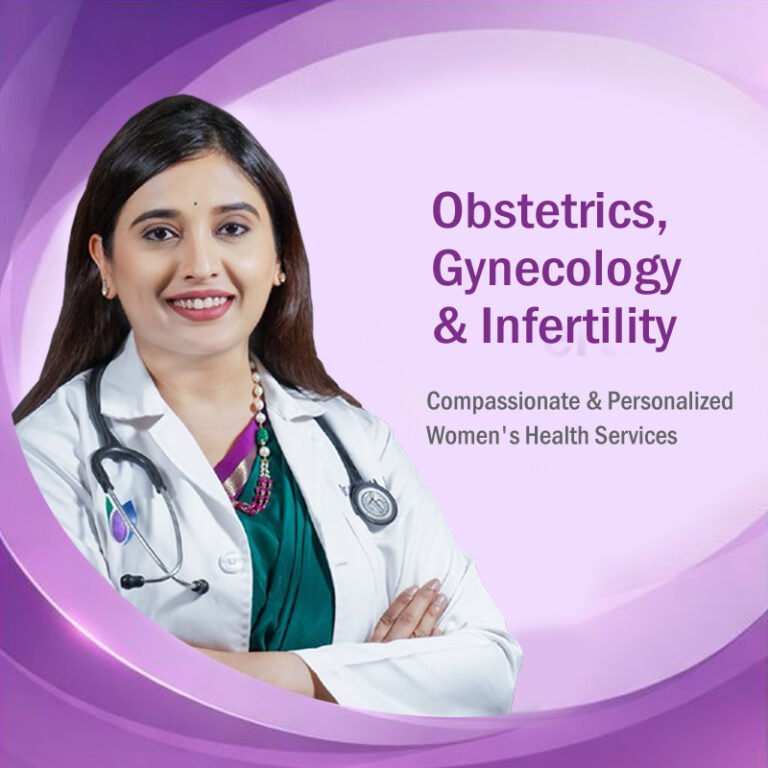
Meet Your Expert : Dr. Samiksha Jain
Dr. Samiksha Jain
Obstetrician, Gynecologist & Fertility Specialist
MBBS, MD (Obs/Gyn) Gold Medalist
Fellowship in Reproductive Medicine (Bangalore),
Fellowship in Minimal Access Surgery (Bangalore),
Advanced Diploma in Reproductive Medicine (Germany)
Dr. Samiksha Jain is a highly accomplished Obstetrician, Gynecologist, and Fertility Specialist known for her compassionate approach and excellence in women’s and reproductive healthcare. A Gold Medalist in MD (Obstetrics & Gynecology), she combines academic brilliance with advanced clinical expertise to provide the highest standard of care to her patients. Dr. Samiksha Jain is an esteemed Fertility Specialist dedicated to empowering couples through natural, comprehensive, and advanced reproductive health protocols. With her profound expertise in assisted reproduction (IVF/ICSI), complex ART coordination, minimal access reproductive surgery, and high-risk fertility management, she offers state-of-the-art clinical support, ensuring a safe, deeply reassuring, and successful journey toward parenthood for every family.
Frequently Asked Questions (FAQs)
1. What is an IVF-ET center, and what services does it provide?
An IVF-ET center is a specialized medical facility that provides comprehensive assisted reproductive technologies, including In Vitro Fertilization, Embryo Transfer, ICSI, cryopreservation, and advanced infertility diagnostics.
2. Is the IVF-ET process painful?
The primary procedures involving discomfort—such as oocyte retrieval—are performed under brief intravenous sedation so patients experience no pain. Embryo transfer is a quick, gentle procedure akin to a routine Pap smear and is generally painless.
3. How long does a complete IVF-ET cycle take?
A standard fresh IVF-ET cycle typically takes approximately 4 to 6 weeks from the start of ovarian stimulation medications to the pregnancy test. Frozen embryo transfer cycles may take slightly less time for endometrial preparation.
4. What is the difference between a fresh and frozen embryo transfer?
In a fresh transfer, embryos are transferred into the uterus during the same menstrual cycle as oocyte retrieval. In a frozen embryo transfer (FET), embryos are cryopreserved and transferred in a subsequent optimized hormonal cycle, often yielding higher implantation rates.
5. What factors influence IVF success rates?
Key factors include female age at the time of oocyte retrieval, ovarian reserve, underlying infertility etiologies, embryology laboratory standards, and the expertise of the fertility specialist.
6. Can pre-conception counseling help prepare for IVF?
Yes. Engaging in proactive Pre Conception Counselling establishes a pristine physiological baseline, optimizing metabolic health and nutrition before starting advanced treatments.
7. What happens to surplus embryos after an IVF cycle?
Surplus high-quality embryos can be safely vitrified (cryopreserved) in liquid nitrogen storage for future family building or subsequent frozen transfer cycles.
8. Where can I access expert IVF-ET treatment and comprehensive fertility care in Nagpur?
You can schedule your comprehensive fertility and gynecological consultations in Nagpur, allowing expert specialists to guide you seamlessly through your Pregnancy Care roadmap.
Disclaimer: The comprehensive information provided in this extensive article is strictly for educational, informational, and awareness purposes only. It is not intended to be a substitute for professional medical advice, clinical diagnosis, or specialized therapeutic treatment. Always seek the direct, personalized advice of your physician or qualified healthcare provider regarding any medical condition, anatomical concerns, or prior to initiating any new dietary change, physical therapy, or surgical procedure.