Egg Donation Center in Nagpur: The journey toward building a family and welcoming a child represents one of the most deeply cherished aspirations of the human experience. While historical perspectives on reproductive challenges often carried heavy social stigma or limited therapeutic options, contemporary reproductive medicine has revolutionized family planning, offering extraordinary scientific breakthroughs that make biological parenthood achievable even when a woman’s own ovarian reserve is compromised. At the very center of this progressive therapeutic landscape stands the expertise of a dedicated Infertility Treatment in Nagpur provider. In the vibrant, medically advanced city of Nagpur, elite healthcare infrastructure and specialized Egg Donation Centers provide individuals and couples with world-class medical evaluations, meticulously screened donor pools, cutting-edge embryology laboratories, and deeply compassionate, individualized care. Whether you have established your early wellness baseline through structured preconception protocols like Pre Conception Counselling, navigated underlying female endocrine imbalances managed under structured PCOS Treatment regimens, resolved structural uterine concerns through targeted Uterine polyps Treatment, managed early-trimester adjustments requiring Vaginal bleeding Treatment, prepared for future milestones like an NT Scan in Nagpur or mid-trimester Anomaly Scan in Nagpur, reviewed late-stage biometric development via a Growth Scan in Nagpur, assessed vascular hemodynamics through Obstetric Doppler in Nagpur, sought genetic clarity via Amniocentesis in Nagpur, transitioned into specialized Pregnancy Care roadmaps, planned for high-risk surveillance under High Risk Pregnancy in Nagpur, or secured delivery suites backed by High Risk Delivery with ICU backup in Nagpur, understanding the true clinical scope of an advanced egg donation program is essential for absolute peace of mind. Societal misconceptions, generalized concerns regarding third-party reproduction, or unfamiliarity with clinical workflows can sometimes cause hesitation. It is vital to recognize that modern reproductive science offers sophisticated, evidence-based, and highly secure therapeutic pathways designed to maximize implantation success while honoring strict ethical and confidentiality standards. Finding an expert, empathetic Fertility Specialist and Gynecologist in Nagpur is the foundational step in receiving accurate diagnostic evaluations, advanced ART coordination, and tailored guidance. To truly comprehend the profound scope of egg donation care, one must explore underlying medical indications, comprehensive donor screening protocols, synchronization workflows, and holistic wellness support. Consequently, approaching egg donation requires a multi-dimensional, deeply supportive framework that honors scientific excellence, uncompromising safety, and emotional well-being.
Understanding Oocyte Donation and Biological Science
To effectively appreciate the impact of an elite Egg Donation Center, it is medically necessary to explore the fundamental principles of oocyte donation in assisted reproductive technology (ART). While a woman’s chronological age dictates both the quantity and chromosomal quality of her eggs—with a notable decline in fertility occurring after age thirty-five and an accelerated reduction past forty—the uterus retains its capacity to successfully carry a pregnancy well into later decades.
Egg donation utilizes healthy oocytes retrieved from a carefully screened, young, and fertile donor, which are subsequently fertilized in the laboratory with sperm from the recipient’s partner (or a donor) via In Vitro Fertilization (IVF) or Intracytoplasmic Sperm Injection (ICSI). The resulting high-quality embryos are then transferred into the recipient’s prepared endometrial lining. This scientific advancement bypasses age-related oocyte depletion, poor ovarian reserve, and genetic abnormalities originating from the egg, offering exceptional clinical pregnancy and live-birth success rates that rival or exceed natural conception standards.
The primary milestones of an egg donation cycle encompass:
- Donor Selection and Medical Screening: Rigorous physical, psychological, and genetic evaluation of potential donors to ensure optimal health and reproductive capability.
- Cycle Synchronization: Administering hormonal medications to synchronize the menstrual cycles of both the donor and the recipient.
- Controlled Ovarian Stimulation of the Donor: Stimulating the donor’s ovaries to produce multiple mature oocytes, followed by ultrasound-guided egg retrieval.
- Laboratory Fertilization and Embryo Culture: Inseminating retrieved oocytes with prepared sperm and culturing resulting embryos to the blastocyst stage.
- Recipient Endometrial Preparation and Embryo Transfer: Priming the recipient’s uterus with estrogen and progesterone to ensure optimal receptivity before transferring the embryo.
This structured clinical framework provides families facing severe reproductive challenges with a highly dependable and scientifically proven pathway toward parenthood.
Core Indications: Who Benefits from an Egg Donation Center?
Patients seek services at an elite Egg Donation Center for a wide array of medical, genetic, and physiological reasons. An expert fertility specialist evaluates each patient’s unique diagnostic profile to determine if oocyte donation is the optimal treatment strategy.
The primary clinical indications for egg donation include:
- Diminished Ovarian Reserve (DOR): Women experiencing low Anti-Müllerian Hormone (AMH) levels, high baseline follicle-stimulating hormone (FSH), or poor antral follicle counts who have experienced repeated unsuccessful IVF cycles using their own eggs.
- Advanced Maternal Age: Women in their late thirties, forties, or beyond whose oocytes carry a significantly elevated risk of chromosomal aneuploidy (such as Down syndrome) and spontaneous miscarriage.
- Premature Ovarian Insufficiency (POI) or Early Menopause: Women whose ovaries have ceased normal function prior to age forty due to genetic, autoimmune, or idiopathic causes.
- Prior Gonadotoxic Medical Treatments: Individuals who have undergone cancer treatments such as pelvic radiation or chemotherapy that permanently damaged their ovarian tissue and egg supply.
- Genetic Carriers of Severe Monogenic Disorders: Couples wishing to avoid transmitting hereditary genetic conditions or chromosomal translocations that cannot be successfully isolated through preimplantation genetic testing (PGT).
- Previous Unexplained IVF Failures: Patients with recurrent implantation failure or consistently poor embryo development despite optimized ovarian stimulation protocols.
This diverse spectrum of applications demonstrates the profound versatility and life-changing impact of modern third-party reproduction centers.
Rigorous Screening and Selection Protocols for Egg Donors
The safety, quality, and success of an egg donation program rely heavily on the stringency and comprehensiveness of donor screening protocols. Elite fertility centers in Nagpur adhere to strict national and international medical guidelines when evaluating potential egg donors.
The comprehensive donor screening suite encompasses:
- Age and Physiological Criteria: Donors are carefully selected within the optimal reproductive age bracket (typically between 21 and 30 years) to ensure maximum oocyte quality, mitochondrial vigor, and developmental competence.
- Detailed Medical and Gynecological History: Exhaustive reviews covering personal health, family medical history, pelvic ultrasound assessments, and ovarian reserve testing (AMH and AFC) to confirm superior reproductive potential.
- Infectious Disease Serology: Comprehensive blood screenings for viral pathogens including HIV-1 and HIV-2, Hepatitis B Surface Antigen, Hepatitis C Antibody, Cytomegalovirus (CMV), and VDRL (Syphilis).
- Advanced Genetic and Carrier Screening: Molecular testing for common genetic disorders, thalassemia carrier status, fragile X syndrome, cystic fibrosis, and peripheral blood karyotyping to rule out chromosomal anomalies.
- Psychological Evaluation and Counseling: Professional psychological assessments conducted by trained counselors to evaluate emotional readiness, comprehension of legal implications, and commitment to the donation process.
This uncompromising adherence to safety ensures that recipients receive gametes of the highest biological integrity and medical security.
Step-by-Step Clinical Walkthrough of an Egg Donation Cycle
Understanding the procedural workflow of an egg donation cycle helps alleviate anxiety, empowering patients to navigate their treatment journey with calm confidence and absolute clarity.
The step-by-step clinical methodology encompasses:
- Recipient Diagnostic Baseline & Uterine Evaluation: Conducting a thorough assessment of the recipient’s uterine cavity via hysteroscopy or saline infusion sonohysterography to ensure the endometrial lining is pristine and free from polyps, fibroids, or adhesions.
- Donor Ovarian Stimulation: The matched donor undergoes a customized controlled ovarian stimulation protocol utilizing daily gonadotropin injections, monitored closely via serial transvaginal ultrasound scans and hormone assays.
- Oocyte Retrieval and Sperm Preparation: Once donor follicles reach maturity, a precise trigger injection is administered. Exactly 35 to 36 hours later, transvaginal ultrasound-guided oocyte retrieval is performed. Simultaneously, the male partner or sperm donor provides a semen sample for advanced laboratory processing.
- Fertilization and Blastocyst Culture: Retrieved oocytes are fertilized in the laboratory using ICSI. Resulting embryos are cultured in specialized physiological media until they reach the blastocyst stage (Day 5 or 6).
- Endometrial Preparation and Embryo Transfer: The recipient’s endometrium is primed using precise estrogen and progesterone hormonal replacement to match the developmental window of the embryo. A single high-quality blastocyst is meticulously transferred into the uterine cavity under ultrasound guidance.
- Pregnancy Testing: Luteal phase support is maintained, culminating in a definitive serum beta-hCG pregnancy test 10 to 14 days following the transfer.
This meticulous clinical choreography ensures maximum precision, comfort, and success at every stage of treatment.
Synchronization and Vitrification: Advanced Flexibility in Modern Cycles
Modern reproductive medicine has introduced advanced scheduling flexibilities that eliminate the logistical hurdles traditionally associated with fresh donor-recipient synchronization.
The Advantages of Donor Oocyte Vitrification (Egg Banking): Historically, fresh cycles required precise menstrual cycle synchronization between the donor and recipient, which could lead to scheduling delays or cancellations if cycles misaligned. Today, elite centers utilize ultra-rapid vitrification to cryopreserve high-quality donor oocytes in egg banks. Recipients can select vitrified donor eggs and initiate their endometrial preparation cycle at any time that suits their personal schedule, offering unprecedented convenience and reduced wait times.
Freeze-All Embryo Strategy in Donor Cycles: Alternatively, when fresh donor eggs are fertilized, the resulting blastocysts can be entirely vitrified. This allows the recipient’s body time to recover from any preliminary hormone adjustments and ensures that the embryo transfer occurs in a perfectly receptive, non-stimulated endometrial environment, yielding exceptionally high pregnancy rates.
These sophisticated laboratory techniques maximize clinical efficiency and offer immense peace of mind for intended parents.
Legal, Ethical, and Confidentiality Standards in Third-Party Reproduction
Navigating egg donation involves important legal and ethical frameworks that protect the rights, privacy, and responsibilities of all parties involved—the donor, the recipient couple, and the resulting child.
Key aspects of ethical and legal governance include:
- Strict Confidentiality and Anonymity Protocols: Ensuring absolute privacy and data security for both donors and recipients in accordance with national assisted reproductive technology regulations and medical ethics boards.
- Comprehensive Legal Consenting: Executing clear legal documentation wherein the donor relinquishes all parental rights and claims to the oocytes and resulting children, confirming that the intended parents hold full legal parenthood.
- Ethical Transparency: Adhering strictly to guidelines regarding maximum donation limits per donor, age ceilings, and fair compensation frameworks that prioritize voluntary, ethical participation.
- Providing a deeply supportive, judgment-free environment where intended parents feel respected, guided, and fully informed at every juncture.
This robust ethical foundation ensures that emotional security and legal clarity are cared for with the exact same dedication as medical science.
Lifestyle, Nutritional Excellence, and Metabolic Health in Supporting Pregnancy
Optimizing general metabolic health, adopting wholesome nutrition, and eliminating environmental disruptors play a monumental role in enhancing endometrial receptivity, supporting endocrine balance, and maximizing success rates prior to and during an egg donation transfer cycle.
Nutrient-Dense Whole Foods and Antioxidant Support: Emphasizing an abundant variety of vibrant, antioxidant-rich vegetables, dark leafy greens, clean lean proteins, healthy essential fats (such as omega-3 fatty acids from walnuts and avocados), and complex whole grains provides the vital micronutrients, vitamins (such as Folate, Vitamin D, and antioxidants), and minerals required for optimal uterine blood flow and cellular integrity.
Hydration and Metabolic Detoxification: Maintaining consistent daily hydration with pure water and mineral-rich infusions supports optimal cellular fluid balance, systemic microcirculation, and efficient metabolic waste elimination across all organ systems.
Mitigating Environmental and Endocrine Disruptors: Avoiding exposure to bisphenols (BPA), phthalates, heavy metals, tobacco smoke, and excessive caffeine intake is paramount, as these environmental toxins can negatively impact hormone receptor sensitivity. Fostering a clean, healthy internal environment supports overall vitality and clinical outcomes.
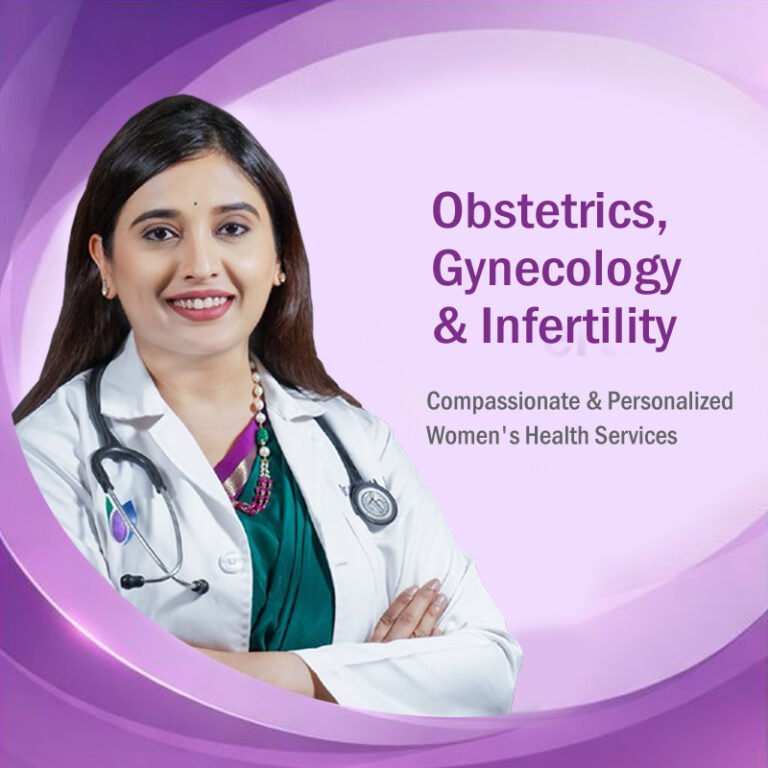
Meet Your Expert : Dr. Samiksha Jain
Dr. Samiksha Jain
Obstetrician, Gynecologist & Fertility Specialist
MBBS, MD (Obs/Gyn) Gold Medalist
Fellowship in Reproductive Medicine (Bangalore),
Fellowship in Minimal Access Surgery (Bangalore),
Advanced Diploma in Reproductive Medicine (Germany)
Dr. Samiksha Jain is a highly accomplished Obstetrician, Gynecologist, and Fertility Specialist known for her compassionate approach and excellence in women’s and reproductive healthcare. A Gold Medalist in MD (Obstetrics & Gynecology), she combines academic brilliance with advanced clinical expertise to provide the highest standard of care to her patients. Dr. Samiksha Jain is an esteemed Fertility Specialist dedicated to empowering couples through natural, comprehensive, and advanced reproductive health protocols. With her profound expertise in assisted reproduction (IVF/ICSI), egg donation coordination, minimal access reproductive surgery, and high-risk fertility management, she offers state-of-the-art clinical support, ensuring a safe, deeply reassuring, and successful journey toward parenthood for every family.
Frequently Asked Questions (FAQs)
1. What is an Egg Donation Center, and what services does it provide?
An Egg Donation Center is a specialized fertility facility that provides comprehensive third-party reproductive services, including donor recruitment, rigorous medical and genetic screening, cycle coordination, and IVF/ICSI embryo transfer using donor oocytes.
2. Who is a candidate for egg donation?
Egg donation is recommended for women with diminished ovarian reserve, premature ovarian insufficiency, advanced maternal age, repeated IVF failures with their own eggs, or genetic disorders they wish to avoid passing on.
3. How are egg donors screened?
Donors undergo exhaustive medical evaluations, gynecological assessments, infectious disease serology, genetic carrier screenings, and professional psychological evaluations to ensure optimal health and safety.
4. Does the child share any genetic traits with the recipient mother?
While the child will inherit genetic traits from the egg donor and the sperm provider, the recipient mother carries the pregnancy, shares her maternal environment, nutrients, and immune signaling with the developing fetus through epigenetics.
5. Can frozen donor eggs be used instead of fresh donor eggs?
Yes. Modern vitrification technology allows donor oocytes to be safely frozen and banked, offering recipients greater scheduling flexibility and immediate availability without waiting for cycle synchronization.
6. How does pre-conception counseling support the egg donation process?
Engaging in proactive Pre Conception Counselling establishes a pristine physiological baseline, optimizing metabolic health and uterine preparation before starting the transfer cycle.
7. Is egg donation confidential?
Yes. Ethical egg donation programs strictly adhere to legal confidentiality and privacy standards, ensuring complete discretion for both donors and intended parents.
8. Where can I access expert egg donation care and comprehensive fertility treatments in Nagpur?
You can schedule your comprehensive fertility and gynecological consultations in Nagpur, allowing expert specialists to guide you seamlessly through your Pregnancy Care roadmap.
Disclaimer: The comprehensive information provided in this extensive article is strictly for educational, informational, and awareness purposes only. It is not intended to be a substitute for professional medical advice, clinical diagnosis, or specialized therapeutic treatment. Always seek the direct, personalized advice of your physician or qualified healthcare provider regarding any medical condition, anatomical concerns, or prior to initiating any new dietary change, physical therapy, or surgical procedure.