
Pregnancy is a natural process, but it still deserves medical supervision because every mother and every baby are different. Some pregnancies progress smoothly, while others require closer monitoring due to age, previous pregnancy history, thyroid imbalance, blood pressure issues, diabetes, PCOD, fibroids, anemia, or fertility-related background. That is why antenatal care is not just about routine checkups; it is a complete system of monitoring, counseling, screening, prevention, and timely intervention. For women receiving care in Nagpur, in Maharashtra, in India, the right antenatal plan brings together expert observation, diagnostic precision, and emotional support throughout the nine months.
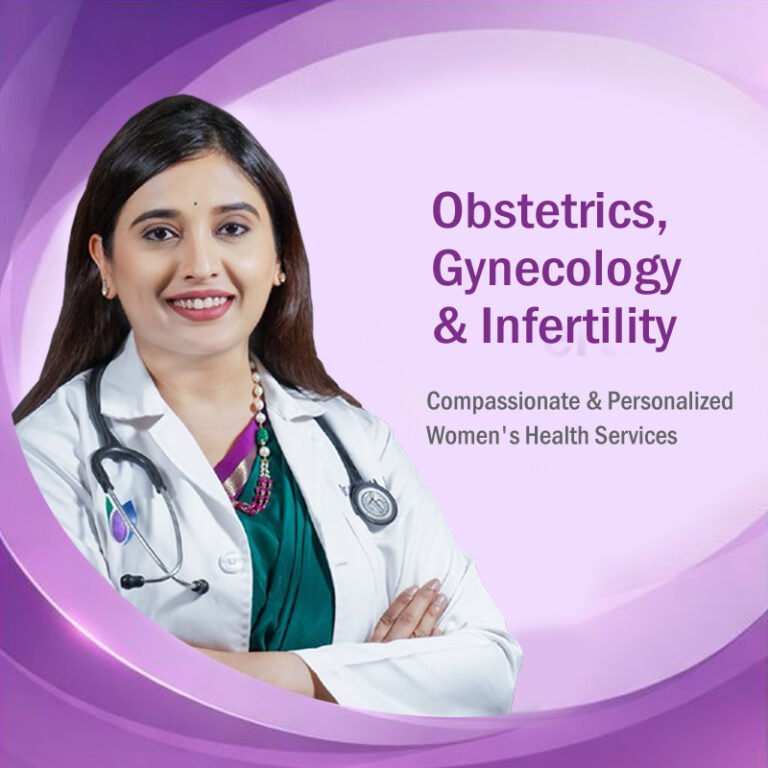
Meet Your Doctor: Dr. Samiksha Jain
Dr. Samiksha Jain is a highly accomplished Obstetrician, Gynecologist, and Fertility Specialist known for her compassionate approach and excellence in women’s healthcare. A Gold Medalist in MD (Obstetrics & Gynecology), she combines academic brilliance with advanced clinical expertise to provide the highest standard of care to her patients. Her qualifications include MBBS, MD (Obs/Gyn) Gold Medalist, Fellowship in Reproductive Medicine (Bangalore), Fellowship in Minimal Access Surgery (Bangalore), and Advanced Diploma in Reproductive Medicine (Germany). With her strong clinical background and patient-centered approach, she is well-regarded for offering thoughtful, precise, and personalized care during pregnancy, infertility, gynecological concerns, and reproductive health management.
Her expertise is especially valuable for women who need careful pregnancy monitoring, fertility history assessment, or specialized advice before conception and during gestation. A doctor with advanced reproductive and gynecological training can evaluate not only the pregnancy itself, but also associated conditions like PCOD/PCOS Treatment, Fibroids, Endometriosis & Ovarian Cysts Treatment, High Risk Pregnancy, and even preconception fertility concerns through services like Male & Female Fertility Evaluation. This integrated approach makes antenatal care more complete, more preventive, and far more effective for long-term maternal health in Nagpur, in Maharashtra, in India.
Why Antenatal Checkup Matters During Pregnancy
Antenatal checkup is the backbone of a healthy pregnancy. It allows the doctor to follow the mother’s health, detect problems early, track fetal growth, and guide the patient through each trimester with clarity. Many pregnancy complications do not begin with obvious symptoms. A woman may feel well and still develop anemia, gestational diabetes, blood pressure changes, urine infection, thyroid imbalance, or fetal growth concerns. Routine antenatal visits help catch these issues before they become serious. This is why antenatal care is strongly recommended for every pregnancy, whether the mother is young, older, first-time pregnant, or managing a previous medical history.
Modern antenatal care also helps reduce anxiety. Pregnancy can bring excitement, but it can also bring uncertainty, especially for women who have had past infertility treatment, miscarriage, or a previous difficult delivery. Timely checkups allow the doctor to explain what is normal, what needs attention, and when further tests are required. This confidence matters deeply, particularly for mothers in Nagpur, in Maharashtra, in India, who want expert guidance that is both medically sound and emotionally reassuring. It is also one reason why antenatal care connects naturally with broader services such as Complete Maternal Care and Childbirth and Care.
Another major benefit of antenatal checkup is preparation. Pregnancy is not only about the months of carrying the baby; it is also about preparing for delivery, breastfeeding, newborn care, and postnatal recovery. A structured antenatal plan helps the family understand warning signs, diet recommendations, iron and calcium requirements, exercise boundaries, fetal movement tracking, and hospital planning. This preparation is especially important in high-risk cases, where close follow-up may be necessary. In such cases, a pregnancy may benefit from coordination with Delivery or Childbirth planning well in advance.
What Happens in the First Antenatal Visit?
The first antenatal visit is the foundation of the entire pregnancy journey. It usually includes a detailed history, physical examination, date confirmation, and initial counseling. The doctor will ask about the last menstrual period, prior pregnancies, miscarriage history, medical illnesses, medicines, allergies, family history, past surgeries, lifestyle habits, and any fertility treatment before conception. This is important because the pregnancy plan is not identical for every woman. Some may need extra scans, some may need blood sugar checks early, and some may need medication adjustments or supplementation from the very beginning.
At this stage, the doctor may also confirm the expected due date, assess the uterus, check blood pressure, weight, and overall well-being, and recommend essential laboratory investigations. These may include blood group testing, hemoglobin evaluation, sugar screening, thyroid assessment, infection screening, urine tests, and ultrasound as needed. For women who conceived after Advanced Infertility Treatment, IVF (In Vitro Fertilization), ICSI (Intracytoplasmic Sperm Injection), or IUI (Intrauterine insemination), the first antenatal appointment becomes even more important because pregnancy surveillance may need to be more detailed and structured.
The first visit also gives the doctor a chance to counsel the mother on nutrition, rest, prenatal vitamins, safe activities, hydration, and signs of danger. It is not only a medical appointment; it is a planning session for the months ahead. That first conversation often sets the tone for a calmer and more informed pregnancy, especially for women seeking reliable antenatal care in Nagpur, in Maharashtra, in India.
How Often Should Antenatal Checkups Be Done?
The frequency of antenatal visits depends on the stage of pregnancy and whether the pregnancy is low risk or high risk. In a standard pregnancy, visits are typically more spaced out in the early months and become more frequent as the due date approaches. This allows the doctor to monitor fetal growth, maternal health, and readiness for delivery. In many pregnancies, the schedule begins with an early visit, followed by regular monthly follow-ups, then more frequent monitoring in the third trimester, and close review near term. For high-risk pregnancies, the visit schedule may be more frequent and tailored to the clinical condition.
Regular follow-up matters because pregnancy changes quickly. Blood pressure may rise, sugar levels may shift, fetal growth may accelerate or slow, and symptoms like swelling, reduced fetal movements, headache, or abdominal discomfort may appear at any stage. A well-timed antenatal review can identify these concerns early and prevent complications. Women with a history of PCOD, thyroid disorders, prior surgery, reproductive system disease, or infertility may also benefit from a more individualized follow-up plan with links to services like Reproductive System Disease care and Laparoscopy & Hysteroscopy when clinically relevant before or after pregnancy.
Antenatal Screening and Diagnostic Tests
One of the strongest reasons to choose a structured antenatal program is the ability to screen for problems early. Screening tests are designed to look for hidden risks before symptoms develop. These tests may vary based on gestational age and maternal history, but the overall purpose remains the same: protect mother and baby through timely medical insight. Common screenings may include complete blood count, blood sugar testing, urine routine, thyroid profile, infection screening, ultrasound scans, and fetal assessment. Additional testing may be advised if the pregnancy requires special observation.
Ultrasound scans help confirm viability, gestational age, fetal growth, placental position, and anatomical development. Blood tests can identify anemia, infections, blood group incompatibility, and metabolic concerns. Urine analysis helps detect protein, sugar, or signs of infection. In some cases, the doctor may recommend more advanced observation if the mother has a history of miscarriage, fertility treatment, prior cesarean delivery, or gynecologic conditions such as fibroids or ovarian cysts. In such situations, expert pregnancy care becomes closely connected to services like Family Planning Services, Egg / Sperm Freezing, and broader reproductive counseling.
These investigations do more than detect disease; they guide the doctor in adjusting supplements, advising rest, deciding scan intervals, and planning the safest approach to delivery. For women in Nagpur, in Maharashtra, in India, where access to specialist care can dramatically improve outcomes, these tests are an essential part of responsible maternal healthcare.
Nutrition and Lifestyle During Antenatal Period
Nutrition during pregnancy is not about eating more; it is about eating better. A balanced antenatal diet should support the growing baby, maintain maternal strength, and reduce the risk of anemia, constipation, weakness, and nutritional deficiency. The ideal pregnancy diet usually includes protein, complex carbohydrates, healthy fats, fruits, vegetables, dairy, iron-rich foods, folate, and sufficient fluids. Iron and calcium are commonly emphasized because they support blood formation, bone health, and fetal development. Depending on blood reports and clinical need, additional supplements may be recommended by the doctor.
Lifestyle is equally important. Pregnancy does not usually require complete bed rest in a normal case; instead, it requires sensible activity, adequate sleep, light movement, hydration, and avoiding harmful habits. Walking, gentle stretching, and pregnancy-safe exercise may be advised if the pregnancy is uncomplicated and the doctor agrees. Women should avoid smoking, alcohol, unprescribed medication, and overexertion. Good sleep and stress reduction also matter because pregnancy is a period of major physical and emotional change. In cases where pregnancy is linked with fertility support or hormonal imbalance, the doctor may consider the broader picture, including PCOD/PCOS Treatment and related reproductive planning.
For women who have conceived after fertility treatment or after a long journey with reproductive concerns, pregnancy can feel especially precious. In such situations, even routine guidance becomes meaningful. The antenatal plan is then not only about tests and reports, but also about reassurance, continuity, and trust. That is where a thoughtful specialist can make a real difference in pregnancy care in Nagpur, in Maharashtra, in India.
When Pregnancy Becomes High Risk
Not every pregnancy is the same, and some pregnancies need closer observation from the start. A pregnancy may be considered high risk due to maternal age, previous cesarean delivery, multiple pregnancy, hypertension, diabetes, thyroid disease, history of miscarriage, infertility treatment, fibroids, endometriosis, ovarian cysts, or fetal concerns. In such cases, the antenatal schedule may become more detailed, with additional scans, repeated assessments, and careful delivery planning. High-risk monitoring is not meant to create fear; it is meant to prevent complications and protect both mother and baby.
This is why antenatal care should be personalized. A woman with a history of reproductive difficulty or gynecologic issues may need more than routine pregnancy advice. She may need integrated care that includes expert maternal follow-up and, when required, treatment planning for conditions such as Fibroids, Endometriosis & ovarian cysts Treatment or previous surgical history. In cases where delivery planning needs special attention, the doctor may also coordinate early with High Risk Pregnancy protocols and discuss the safest path to childbirth.
That is the value of expert antenatal care: it is flexible, preventive, and rooted in clinical judgment. Instead of waiting for symptoms, the doctor anticipates possible issues and responds early. This proactive approach supports healthier outcomes for women receiving care in Nagpur, in Maharashtra, in India.
Second and Third Trimester Antenatal Care
As pregnancy progresses beyond the first trimester, the focus of antenatal checkup shifts from confirmation and early screening to growth tracking, complication prevention, and delivery preparation. In the second trimester, many women begin to feel better physically, but that does not mean medical care becomes less important. In fact, this is the stage when fetal anatomy scans, maternal blood pressure monitoring, sugar screening, and growth assessment become especially valuable. The baby’s organ development, placenta health, amniotic fluid level, and maternal nutritional status all deserve attention. For women seeking reliable pregnancy support in Nagpur, in Maharashtra, in India, this stage is where structured follow-up creates long-term safety and confidence.
During the third trimester, antenatal care becomes even more focused. The doctor may evaluate fetal position, movements, growth pattern, placental placement, cervix readiness, and signs of pre-labour changes. The mother’s swelling, sleep quality, breathing comfort, blood pressure, sugar levels, and hemoglobin may also be reviewed repeatedly. This is the time when delivery planning becomes practical rather than theoretical. Women who have a prior history of cesarean delivery, infertility, pregnancy loss, fibroids, or high-risk conditions may need more detailed monitoring and may benefit from early coordination with High Risk Pregnancy care and Complete Maternal Care services.
Careful antenatal supervision in the second and third trimesters also helps the doctor decide whether additional scans or specialist review are needed. If any gynecologic background such as Fibroids, Endometriosis & ovarian cysts Treatment or reproductive system disease is part of the patient’s history, that context may shape the pregnancy plan. The right approach is always individualized, practical, and centered on mother-baby safety in Nagpur, in Maharashtra, in India.
Warning Signs That Should Never Be Ignored
One of the strongest benefits of antenatal education is that it teaches the mother and family how to recognize warning signs early. A pregnancy can look normal from the outside while an internal issue is quietly developing. Women should seek medical attention promptly if they experience bleeding, leaking of fluid, severe abdominal pain, reduced fetal movements, persistent vomiting, severe headache, blurred vision, sudden swelling, fever, burning urination, breathing difficulty, or high blood pressure symptoms. These signs do not always mean danger, but they do mean the body is asking for a medical review.
Reduced fetal movement is particularly important in late pregnancy and should always be taken seriously. Likewise, heavy bleeding or fluid leakage may signal labour, placental issues, or membrane rupture. Headache with visual disturbance or swelling may suggest blood pressure-related complications. In such situations, waiting is not wise. Immediate antenatal evaluation can prevent serious outcomes and reassure the family. That is why timely follow-up is a major part of Antenatal Checkup and broader Childbirth and Care planning.
Women who are already under fertility-related care may be even more conscious of pregnancy symptoms, and that concern is understandable. After a long journey that may have included Advanced Infertility Treatment, IUI (Intrauterine insemination), IVF (In Vitro Fertilization), or ICSI (Intracytoplasmic Sperm Injection), every symptom can feel more intense. In such cases, clear communication with the treating specialist is essential, because peace of mind is part of quality antenatal care.
Preparing for Delivery Through Antenatal Care
Antenatal checkup does not end with test reports. One of its most important purposes is to prepare the mother and family for labour, delivery, and the immediate post-birth period. As the due date approaches, the doctor may discuss signs of labour, when to visit the hospital, what documents to keep ready, and how to respond if contractions begin early. This preparation reduces panic and allows the family to act quickly and responsibly when the time comes.
Delivery preparation may include reviewing the baby’s position, checking whether the pelvis and cervix are progressing appropriately, and deciding whether a normal vaginal delivery is likely or whether a cesarean may be safer. These decisions are never made casually; they are based on maternal condition, fetal condition, previous surgery, placenta status, and labour progress. For women who need a detailed birth plan, linking antenatal review with Delivery or Childbirth guidance can make the experience smoother and more predictable.
A well-planned delivery also helps the mother understand pain relief options, labor monitoring, emergency preparedness, and postpartum recovery expectations. In pregnancies that are medically complicated or emotionally sensitive, the doctor may coordinate delivery planning earlier and with greater care. This is one reason why expert antenatal supervision matters so much for women in Nagpur, in Maharashtra, in India. It turns uncertainty into preparedness and gives the family a realistic, medically sound roadmap.
How Antenatal Care Supports Maternal Health Beyond Pregnancy
The value of antenatal checkup is not limited to the nine months of pregnancy. It also supports the mother’s long-term health. Many conditions discovered during pregnancy, such as anemia, thyroid imbalance, gestational diabetes, or high blood pressure, need follow-up even after delivery. Some women may also realize during pregnancy that they need better reproductive health monitoring for the future, especially if they have a history of irregular cycles, PCOD/PCOS, prior surgery, or gynecological problems. Pregnancy often reveals health patterns that were previously hidden.
In that sense, antenatal care becomes a bridge between present pregnancy and future health planning. Women who may later need Family Planning Services, fertility guidance, or gynecological review can use the pregnancy period to establish a lasting relationship with a specialist who understands their body’s history. That is especially useful when the doctor also manages reproductive concerns like Egg / Sperm Freezing, Male & Female Fertility Evaluation, and Reproductive System Disease management.
For many women, the best antenatal care experience is one that feels continuous rather than fragmented. The same specialist who guides pregnancy may also be able to support future childbearing decisions, menstrual health concerns, and gynecologic treatment. That continuity is especially helpful in busy urban settings like Nagpur, in Maharashtra, in India, where patients value efficient care with strong clinical depth.
Common Myths About Antenatal Checkups
There are several myths around pregnancy care that can delay proper medical attention. One common myth is that checkups are only needed if something feels wrong. In reality, many pregnancy issues are silent at first and are found only through routine visits. Another myth is that more checkups mean something must be seriously wrong. This is not true either. More frequent review may simply reflect good preventive care, advanced maternal age, previous pregnancy history, or a desire to monitor high-risk factors carefully.
Some people also believe that rest alone is enough during pregnancy. While rest is important, it cannot replace proper monitoring, nutrition, and screening. Another harmful misconception is that all pregnancy symptoms are normal and should be tolerated. That idea can be dangerous. Pregnancy does involve changes, but not every symptom should be ignored. Antenatal supervision helps the mother separate normal adaptation from potential warning signs. This clarity is one of the strongest reasons to prioritize quality antenatal care in Nagpur, in Maharashtra, in India.
There is also a myth that fertility treatment pregnancies are always risky or always require special intervention. The truth is more balanced. Many fertility-assisted pregnancies progress beautifully, especially when monitored properly. However, because the background is often more complex, a specialist may choose closer follow-up and early planning. This is where expert services such as Advanced Infertility Treatment and Complete Maternal Care create real value.
Why Women Prefer Specialist Antenatal Care in Nagpur
Women often choose specialist antenatal care because pregnancy is too important to leave to guesswork. A specialist offers not only routine follow-up, but also detailed understanding of obstetric risk, fetal monitoring, prior fertility issues, and gynecological background. This is particularly useful for women who have received treatment for PCOD, fibroids, endometriosis, ovarian cysts, infertility, or prior surgery. A specialist can connect all these aspects into one coherent pregnancy plan instead of treating each issue separately.
Another advantage is continuity of care. When a patient sees a doctor who is experienced in obstetrics, gynecology, fertility, and minimally invasive procedures, the entire reproductive journey becomes easier to manage. From preconception counseling to pregnancy monitoring to postpartum advice, the same expert perspective can guide the patient at every stage. That is one reason why many women in Nagpur, in Maharashtra, in India search for a trusted and compassionate specialist who can offer both skill and reassurance.
In a city where healthcare choices are expanding, patients value doctors who combine modern diagnostics, thoughtful counseling, and respectful communication. Pregnancy care is not only about clinical decisions; it is also about trust. A good antenatal experience helps the mother feel heard, protected, and prepared. It strengthens confidence and often improves compliance with medical advice, nutrition, and follow-up schedules.
Frequently Asked Questions
1. What is an antenatal checkup?
An antenatal checkup is routine medical care provided during pregnancy to monitor the health of both the mother and the baby. During these visits, the doctor evaluates the baby’s growth, blood pressure, blood sugar, hemoglobin levels, ultrasound findings, and any pregnancy-related risks. Regular antenatal care helps ensure a safer and healthier pregnancy, especially in Nagpur, Maharashtra, India.
2. How often should I have antenatal checkups during pregnancy?
The frequency of antenatal visits depends on the stage of pregnancy and any existing risk factors. In early pregnancy, checkups may be less frequent, while visits usually become more regular during the third trimester. Women with high-risk pregnancies may require a personalized follow-up schedule. Regular monitoring helps identify and manage complications at an early stage.
3. Does every pregnant woman need an ultrasound?
Yes, ultrasounds are commonly recommended at different stages of pregnancy to assess the baby’s growth, heartbeat, position, placenta, and amniotic fluid levels. The number and timing of scans may vary depending on individual needs, and your doctor will recommend the most appropriate schedule. Ultrasound is an essential part of comprehensive antenatal care.
4. Is extra monitoring required after fertility treatment?
In many cases, yes. Pregnancies achieved through fertility treatments such as IVF, IUI, or ICSI may require closer monitoring, especially during the first trimester. Your doctor may recommend more detailed follow-up visits to ensure the pregnancy is progressing well, providing greater reassurance and improving maternal and fetal safety.
5. How does antenatal care make delivery easier?
Regular antenatal care helps identify labor signs, assess the baby’s position, evaluate delivery readiness, and detect potential complications in advance. Your doctor also provides guidance regarding hospital admission, required documents, pain management, and emergency planning. This preparation makes the delivery process more organized and less stressful.
6. Which pregnancy symptoms should never be ignored?
Symptoms such as vaginal bleeding, leaking amniotic fluid, reduced fetal movements, severe headache, blurred vision, excessive swelling, fever, breathlessness, or severe abdominal pain may indicate serious complications. These warning signs require immediate medical attention, particularly during the later stages of pregnancy.
7. Are antenatal checkups only necessary for normal pregnancies?
No. Antenatal checkups are equally important for both low-risk and high-risk pregnancies. Women with conditions such as PCOS, fibroids, thyroid disorders, diabetes, high blood pressure, a history of infertility, or previous surgeries require even closer monitoring to ensure the best possible pregnancy outcome.
8. Can antenatal care benefit future fertility health?
Yes. Health patterns identified during pregnancy can provide valuable information for future reproductive planning. After delivery, your doctor may also advise you on postpartum care, family planning, hormonal health, and fertility evaluation if needed. This supports better long-term reproductive and women’s health.
Antenatal Checkup in Nagpur is not just a routine formality; it is the foundation of safe pregnancy, timely decision-making, and healthier motherhood. From the first consultation to the final weeks before birth, every visit has a purpose: to monitor growth, prevent complications, counsel the mother, and prepare the family for delivery. A well-planned antenatal journey improves confidence, reduces uncertainty, and supports better outcomes for both mother and baby. For women seeking expert guidance in Nagpur, in Maharashtra, in India, specialist antenatal care creates the balance of science, reassurance, and compassionate support that pregnancy truly deserves.
With the right doctor, the right tests, timely counseling, and a personalized plan, pregnancy becomes more than a waiting period; it becomes a carefully guided journey toward a safe and meaningful delivery. When antenatal checkup is handled with skill and attention, the entire experience feels more secure, more informed, and far more empowering for the mother and her family.