All kinds of deliveries in Nagpur: The journey of pregnancy is one of the most profound, transformative, and emotionally stirring experiences in a woman’s life. Culminating in the miraculous event of childbirth, this journey requires an extraordinary symphony of physiological coordination, hormonal signaling, and physical endurance. In the vibrant and rapidly developing city of Nagpur, advanced maternal-fetal healthcare infrastructure provides expectant mothers with a diverse spectrum of delivery options tailored to their unique anatomical profiles, personal preferences, and clinical needs. Whether you are preparing for a spontaneous natural vaginal birth, exploring the clinical indications for a planned or emergency Cesarean section, evaluating assisted delivery modalities, or navigating complex gestational conditions that require specialized oversight such as Bleeding during pregnancy Treatment, understanding the full scope of delivery methods is essential for making empowered healthcare choices. Cultural myths, generalized fears of labor pain, and a lack of clear physiological education often cause expectant mothers unnecessary anxiety. It is vital to recognize that modern obstetrics prioritizes safety, maternal comfort, and individualized birth plans above all else, ensuring that every delivery approach is executed with precision and deep empathy. Finding an expert, empathetic Gynecologist in Nagpur is the foundational step in receiving comprehensive prenatal guidance, accurate risk stratification, and elite clinical support throughout gestation and childbirth. To truly appreciate the modern management of childbirth, one must explore the distinct physiological mechanisms, clinical indicators, and recovery pathways associated with each type of delivery. Consequently, navigating the options for childbirth requires a multi-dimensional, deeply supportive approach that prioritizes maternal-fetal health, evidence-based practices, and holistic physical restoration without relying on unnecessary medical interventions.
Understanding the Spectrum of Childbirth Modalities
To effectively approach childbirth planning, it is medically necessary to understand that no two pregnancies are identical, and the mode of delivery must be customized to ensure optimal outcomes for both mother and child. Modern obstetric care recognizes several distinct pathways for bringing a new life into the world, each defined by specific clinical criteria, physiological processes, and procedural requirements.
The primary categories of childbirth include:
- Spontaneous Vaginal Delivery (NVD): The natural physiological process where labor begins spontaneously, progressing through uterine contractions and cervical dilation to allow the baby to be born through the vaginal canal.
- Assisted (Instrumental) Vaginal Delivery: A specialized vaginal birth where forceps or vacuum extraction devices are utilized during the second stage of labor to assist delivery when specific clinical indications arise.
- Cesarean Section (C-Section): A surgical delivery method where the baby is born through a carefully executed incision in the abdominal wall and uterus, performed either electively or as an emergency procedure.
- Vaginal Birth After Cesarean (VBAC): A carefully monitored trial of labor offered to eligible women who have previously undergone a prior Cesarean section, aiming for a successful vaginal delivery.
Understanding these diverse modalities allows expectant mothers to collaborate closely with their obstetrician, formulating a flexible birth plan that accommodates both natural preferences and unexpected clinical developments.
Normal Vaginal Delivery (NVD): Physiology and Stages of Labor
Spontaneous normal vaginal delivery remains the gold standard of childbirth for uncomplicated pregnancies, representing a harmonious physiological process orchestrated by the endocrine and nervous systems.
The natural progression of a vaginal delivery unfolds across three distinct stages of labor:
- First Stage (Dilation): Beginning with the onset of regular, rhythmic uterine contractions that gradually efface and dilate the cervix from zero to ten centimeters, allowing the baby’s head to engage in the pelvic inlet.
- Second Stage (Expulsion): Spanning from full cervical dilation to the birth of the baby, characterized by powerful maternal pushing efforts coordinated with uterine contractions to guide the infant through the vaginal canal.
- Third Stage (Placental Delivery): The final phase involving the gentle separation and expulsion of the placenta from the uterine wall, followed by immediate physiological uterine contraction to control blood loss.
Choosing a normal vaginal delivery offers numerous physiological benefits, including shorter maternal recovery windows, lower rates of infection, quicker initiation of breastfeeding, and optimal exposure to beneficial maternal microbiota that support infant immune development. Furthermore, maintaining optimal preconception health and hormonal balance through structured protocols—such as those managed under PCOS Treatment or evaluated during Pre Conception Counselling—lays a robust foundation for a smooth, uncomplicated labor experience.
Assisted Vaginal Deliveries: Forceps and Vacuum Extraction
While spontaneous vaginal delivery is the ideal pathway, certain situations during the second stage of labor require gentle, expert medical intervention to ensure the safe and rapid delivery of the infant. When maternal exhaustion, prolonged pushing phases, or signs of fetal distress occur, obstetricians may utilize assisted (instrumental) vaginal delivery techniques.
The two primary methods of assisted vaginal delivery include:
- Vacuum-Assisted Delivery (Ventouse): A specialized soft silicone or rubber suction cup is gently applied to the baby’s head using negative pressure, allowing the obstetrician to guide the infant downward during maternal pushes.
- Forceps-Assisted Delivery: Specially curved, smooth metal instruments are carefully placed around the baby’s head to provide gentle traction and rotation, facilitating a safe exit through the birth canal when precise assistance is required.
These procedures require exceptional surgical skill, precise anatomical knowledge, and strict adherence to safety criteria. Utilizing instrumental assistance appropriately can successfully prevent the necessity of an emergency major abdominal surgery, ensuring both maternal and neonatal safety.
Cesarean Section (C-Section): Planned and Emergency Protocols
When physiological obstacles, anatomical considerations, or acute medical complications prevent a safe vaginal birth, a Cesarean section becomes a life-saving and necessary surgical intervention. Modern obstetrics categorizes C-sections into planned (elective) procedures and urgent emergency protocols.
Planned (Elective) Cesarean Sections: Scheduled in advance for specific medical reasons, such as complete placenta previa, multiple gestations (twins or triplets in complex presentations), previous extensive uterine surgeries, or maternal health conditions where labor stress poses a high risk.
Emergency Cesarean Sections: Performed when unexpected complications arise during active labor, such as acute fetal distress, failure of labor to progress (cephalopelvic disproportion), umbilical cord prolapse, or severe placental abruption.
The surgical technique involves administering regional anesthesia (spinal or epidural) to keep the mother comfortable and awake, followed by a precise transverse lower abdominal incision and careful entry into the uterine cavity to deliver the baby safely. Post-surgical recovery requires structured rest and diligent wound care. For women navigating complex pregnancies, comprehensive prenatal support—such as elite Pregnancy Care and specialized Bleeding during pregnancy Treatment—ensures that potential surgical indications are anticipated and managed with absolute clinical excellence.
Vaginal Birth After Cesarean (VBAC) and Trial of Labor
In previous decades, the medical dogma dictated that once a woman underwent a Cesarean section, all subsequent pregnancies must also be delivered via major surgery (“once a Cesarean, always a Cesarean”). However, modern evidence-based obstetrics has revolutionized this approach, allowing many eligible women to successfully experience a Vaginal Birth After Cesarean (VBAC).
Evaluating a candidate for a trial of labor after Cesarean (TOLAC) involves a meticulous clinical assessment:
- Uterine Scar Integrity: Reviewing the surgical report of the prior C-section to confirm a low transverse uterine incision, which carries the lowest risk of rupture.
- Reason for Prior C-Section: Determining whether the initial indication was non-recurring (such as breech presentation or fetal distress) versus recurring structural causes.
- Interval and General Health: Ensuring adequate healing time between pregnancies and absence of contraindications such as extensive uterine fibroids or previous structural repairs.
Conducting a VBAC requires continuous electronic fetal monitoring and immediate access to emergency surgical teams, ensuring that if any signs of uterine strain appear, a rapid transition to a repeat Cesarean can be executed seamlessly.
Comprehensive Prenatal Planning and Birth Preparation
The success of any delivery method hinges upon comprehensive prenatal preparation, proactive risk stratification, and continuous medical oversight throughout the gestational journey. Expectant mothers benefit immensely from engaging in structured care frameworks long before labor begins.
Pre-Conception and Early Gestational Assessment: Initiating early evaluations allows physicians to identify underlying endocrine imbalances, nutritional deficiencies, or anatomical anomalies. Comprehensive guidance through Pre Conception Counselling and continuous Pregnancy Care ensures that maternal metabolic health, blood pressure trajectories, and fetal growth milestones are meticulously monitored.
Nutritional Health and Pelvic Conditioning: Emphasizing an anti-inflammatory diet rich in iron, vital vitamins, and lean proteins supports maternal stamina. Furthermore, incorporating safe prenatal yoga, pelvic floor strengthening exercises, and breathing techniques prepares the body for the physical demands of labor, reducing anxiety and enhancing confidence.
Postpartum Recovery and Long-Term Pelvic Floor Health
Regardless of whether a woman experiences a normal vaginal delivery, an assisted birth, or a Cesarean section, the postpartum period (the puerperium) requires dedicated physical rest, emotional support, and specialized clinical follow-up.
Physical Rest and Tissue Healing: The body undergoes a profound involution process as the uterus contracts back to its normal size and hormonal levels re-stabilize. Adhering to post-delivery activity guidelines—such as avoiding heavy lifting and strenuous exercise—ensures proper healing of abdominal or perineal tissues.
Long-Term Pelvic Floor Preservation: Pregnancy and childbirth place immense mechanical stretch on the pelvic floor fascial structures. Proactive postnatal rehabilitation prevents future structural complications, ensuring women do not develop chronic issues such as stress urinary incontinence requiring Stress incontinence Treatment or progressive fascial descents managed under Uterine prolapse Treatment protocols. Maintaining routine wellness checks safeguards long-term urogenital vitality across all stages of life.
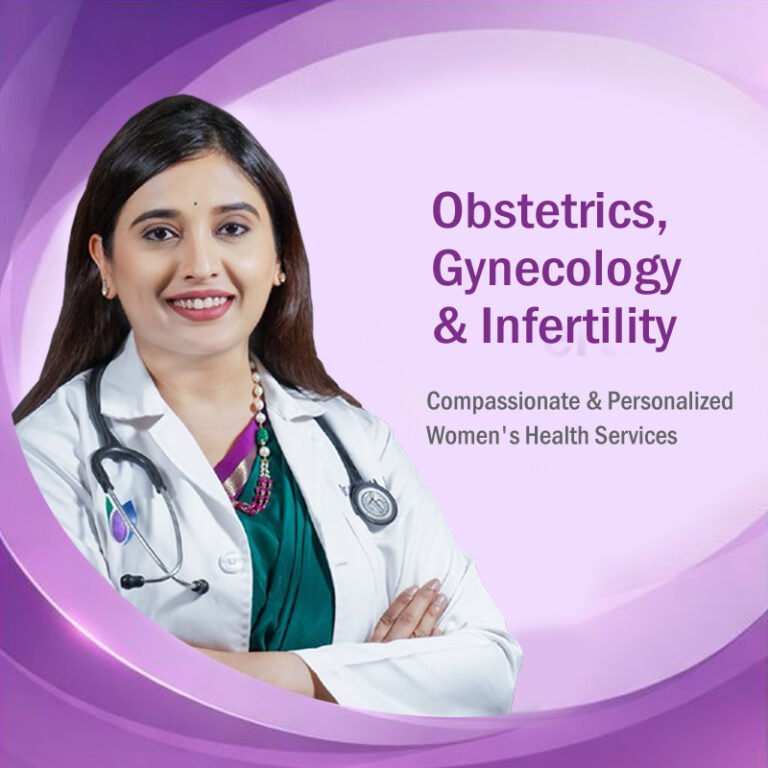
Meet Your Expert : Dr. Samiksha Jain
Dr. Samiksha Jain
Obstetrician, Gynecologist & Fertility Specialist
MBBS, MD (Obs/Gyn) Gold Medalist
Fellowship in Reproductive Medicine (Bangalore),
Fellowship in Minimal Access Surgery (Bangalore),
Advanced Diploma in Reproductive Medicine (Germany)
Dr. Samiksha Jain is a highly accomplished Obstetrician, Gynecologist, and Fertility Specialist known for her compassionate approach and excellence in women’s healthcare. A Gold Medalist in MD (Obstetrics & Gynecology), she combines academic brilliance with advanced clinical expertise to provide the highest standard of care to her patients. Dr. Samiksha Jain is an esteemed Gynecologist dedicated to empowering women through natural, comprehensive, and deeply personalized health protocols. With her profound expertise in high-risk obstetrics, maternal-fetal medicine, and complex delivery management, she offers state-of-the-art clinical support for all kinds of deliveries, ensuring a safe, deeply reassuring, and joyful childbirth experience for every mother.
Frequently Asked Questions (FAQs)
1. What are the main types of deliveries available for expectant mothers?
The primary modes of delivery include spontaneous normal vaginal delivery (NVD), assisted vaginal delivery (using forceps or vacuum), Cesarean section (planned or emergency), and Vaginal Birth After Cesarean (VBAC).
2. How do I know whether a normal vaginal delivery or a C-section is right for me?
Your obstetrician evaluates various factors, including your overall health, pelvic anatomy, baby’s position, gestational progress, and any medical complications, to recommend the safest delivery method.
3. What is an assisted vaginal delivery, and when is it necessary?
An assisted delivery uses specialized vacuum cups or forceps during the second stage of labor to help guide the baby out safely if maternal exhaustion occurs or if rapid delivery is needed.
4. Can I safely attempt a vaginal birth if I have had a previous C-section (VBAC)?
Yes, many women with a single prior low-transverse Cesarean section are excellent candidates for a trial of labor (VBAC), provided there are no ongoing obstetric contraindications.
5. What happens during an emergency Cesarean section?
An emergency C-section is performed promptly when unexpected complications arise during labor, such as fetal distress or arrested dilation, utilizing regional or general anesthesia for rapid delivery.
6. How does prenatal care prepare me for childbirth?
Comprehensive prenatal care, including regular ultrasounds, monitoring, and Pregnancy Care oversight, ensures potential risks are identified early so your birth plan can be safely optimized.
7. What lifestyle and dietary habits support postpartum recovery?
Resting adequately, maintaining high hydration, eating iron-dense whole foods, avoiding heavy strain, and attending postnatal check-ups all support rapid physical and hormonal recovery.
8. When should I consult my obstetrician regarding labor signs?
You should contact your doctor immediately if you experience regular, painful uterine contractions, rupture of membranes (water breaking), decreased fetal movement, or any unexpected vaginal bleeding.
Disclaimer: The comprehensive information provided in this extensive article is strictly for educational, informational, and awareness purposes only. It is not intended to be a substitute for professional medical advice, clinical diagnosis, or specialized therapeutic treatment. Always seek the direct, personalized advice of your physician or qualified healthcare provider regarding any medical condition, anatomical concerns, or prior to initiating any new dietary change, physical therapy, or surgical procedure.