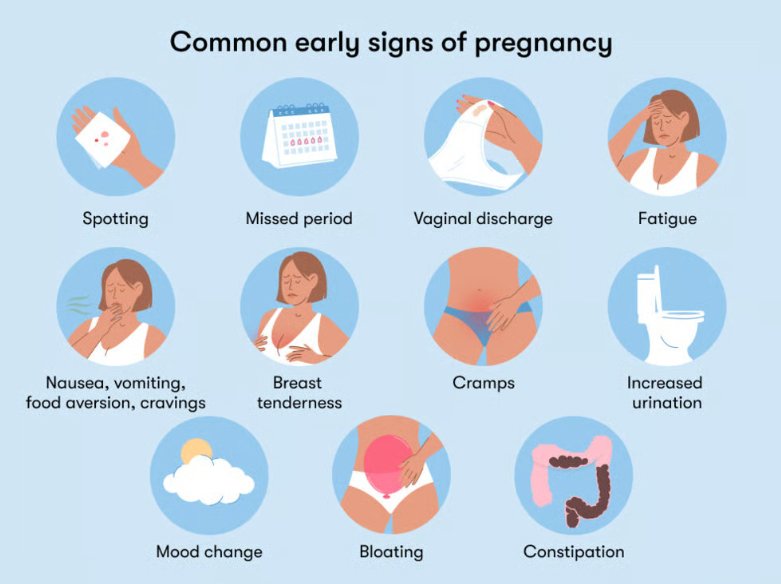
Pregnancy is a beautiful and life-changing journey in a woman’s life. However, many women may not immediately realize they are pregnant because early symptoms can be subtle and easily mistaken for other conditions. Recognizing the early signs of pregnancy helps in seeking timely medical care, ensuring proper nutrition, and taking necessary precautions for a healthy pregnancy.
Missed Period – The Most Common Early Sign
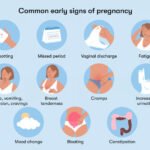
A missed period is often the first and most obvious sign of pregnancy. If a woman has regular menstrual cycles and suddenly misses her period, pregnancy could be the reason. However, stress, hormonal imbalance, or lifestyle changes can also delay periods, so confirming pregnancy with a test is important.
Nausea and Morning Sickness
Nausea, commonly known as morning sickness, usually begins between the 4th and 6th week of pregnancy. Despite the name, it can occur at any time of the day. Some women may experience vomiting, while others may only feel mild nausea. This happens due to hormonal changes in the body.
Breast Changes and Tenderness
Early in pregnancy, women may notice their breasts becoming tender, swollen, or heavier. The nipples may darken, and veins may become more visible. These changes occur as the body prepares for breastfeeding.
Fatigue and Increased Tiredness
Feeling unusually tired is a common early symptom of pregnancy. Increased levels of progesterone hormone can make women feel sleepy and low on energy. The body is working harder to support the growing baby, which leads to fatigue.
Frequent Urination
Many women experience frequent urination in early pregnancy. Hormonal changes increase blood flow to the kidneys, causing the bladder to fill faster. This symptom may continue throughout pregnancy.
Food Cravings and Food Aversions
Sudden cravings for certain foods or dislike for foods you previously enjoyed can be an early sign of pregnancy. Some women may also notice increased sensitivity to smells.
Mood Swings
Hormonal fluctuations during early pregnancy can cause emotional changes. Women may feel happy, emotional, anxious, or irritable without any clear reason.
Light Spotting or Implantation Bleeding
Some women experience light spotting when the fertilized egg attaches to the uterus lining. This is called implantation bleeding and usually occurs around the time the period is expected. It is lighter and shorter than a normal period.
Bloating and Mild Cramps
Hormonal changes can slow digestion, leading to bloating. Mild cramps similar to menstrual cramps may also occur due to changes in the uterus.
When to Take a Pregnancy Test
If you notice one or more of these symptoms, you should take a home pregnancy test after missing your period. For accurate confirmation, consult a qualified Obstetrician and Gynecologist who can perform blood tests and ultrasound.
Importance of Consulting a Specialist
Early confirmation of pregnancy allows proper prenatal care, which is essential for the health of both mother and baby. Regular check-ups, proper diet, supplements, and monitoring help ensure a safe and healthy pregnancy journey.
About Dr. Samiksha Jain
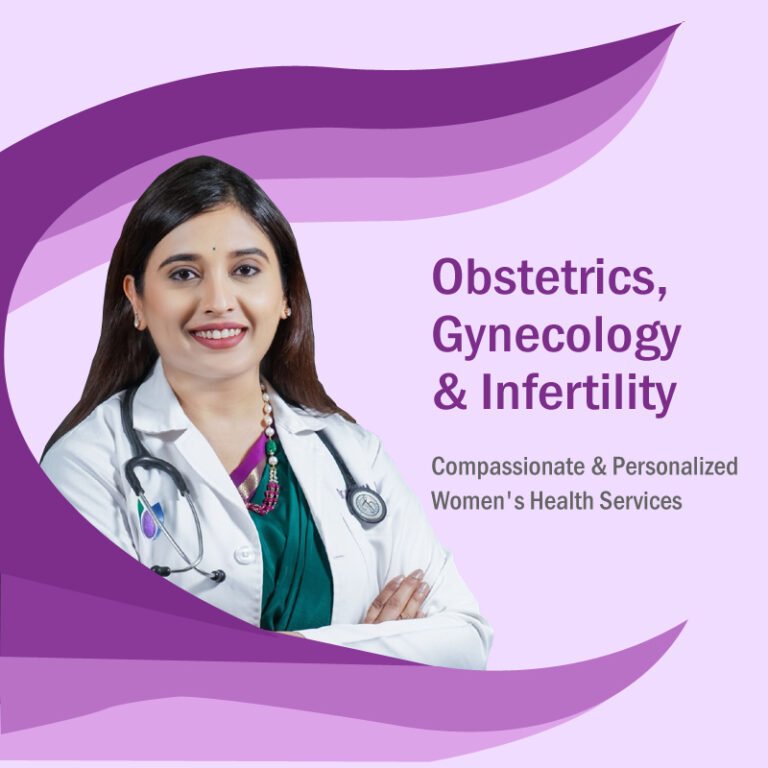
Dr. Samiksha Jain is a highly accomplished Obstetrician, Gynecologist, and Fertility Specialist known for her compassionate approach and excellence in women’s healthcare. A Gold Medalist in MD (Obstetrics & Gynecology), she combines academic brilliance with advanced clinical expertise to provide the highest standard of care to her patients. She specializes in pregnancy care, high-risk pregnancy management, infertility treatment, and women’s reproductive health. Her patient-centered approach ensures that every woman receives personalized care, guidance, and support throughout her pregnancy journey.
Conclusion
Understanding the early signs of pregnancy helps women take timely action and begin proper medical care. If you suspect pregnancy, consult a qualified specialist like Dr. Samiksha Jain for accurate diagnosis and expert guidance. Early care leads to a healthier and safer pregnancy experience for both mother and baby.