
Growth Scan in Nagpur: The third trimester of pregnancy represents a critical phase of rapid fetal development, weight gain, and structural maturation. As the baby prepares for life outside the womb, monitoring its growth velocity, well-being, and intrauterine environment becomes a vital priority in modern prenatal healthcare. Among all third-trimester diagnostic evaluations, the growth scan—frequently referred to as a fetal wellbeing or third-trimester scan—stands out as an essential clinical tool. In the vibrant and rapidly developing city of Nagpur, advanced maternal-fetal healthcare infrastructure provides expectant mothers with state-of-the-art imaging technology and expert clinical interpretation, ensuring precise tracking of fetal development. Whether you are transitioning smoothly from mid-pregnancy evaluations like the Anomaly Scan in Nagpur, managing delicate early adjustments that required Vaginal bleeding Treatment, or navigating a specialized, high-vigilance monitoring protocol under High Risk Pregnancy in Nagpur oversight, understanding the profound significance of the growth scan is essential for complete peace of mind. Cultural myths, generalized anxieties, or unfamiliarity with late-trimester sonography can occasionally cause expectant parents unnecessary worry. It is vital to recognize that modern diagnostic obstetrics offers sophisticated, completely non-invasive, and highly accurate imaging modalities designed to assess fetal health without relying on chemical or pharmaceutical drug interventions. Finding an expert, empathetic Gynecologist in Nagpur is the foundational step in receiving accurate imaging coordination, expert clinical analysis, and personalized guidance tailored to your unique gestational profile. To truly comprehend the scope of this specialized evaluation, one must explore the specific biometric parameters measured, the ideal gestational windows for performance, and how the results integrate into broader Pregnancy Care pathways. Consequently, prioritizing the growth scan requires a multi-dimensional, deeply supportive approach that prioritizes early detection, precision measurement, and comprehensive maternal-fetal well-being.
Understanding the Growth Scan and Its Core Clinical Objectives
To effectively approach Growth Scan in Nagpur, it is medically necessary to understand what the procedure entails and why it is universally recommended during the latter half of gestation. A fetal growth scan is a targeted ultrasound examination that measures specific physical dimensions of the baby at a given point in pregnancy, using those calculations to determine estimated fetal weight and overall developmental health.
The primary objectives of the growth scan include:
- Estimated Fetal Weight (EFW) Calculation: Utilizing biometric measurements to calculate the baby’s weight and comparing it against standardized growth curves to ensure appropriate development for gestational age.
- Assessing Fetal Growth Velocity: Tracking how rapidly the baby is growing between scans, which is critical for identifying potential conditions like intrauterine growth restriction (IUGR) or macrosomia early.
- Evaluating Amniotic Fluid Dynamics: Measuring amniotic fluid volume (AFI) to ensure the baby has a protective, well-hydrated intrauterine environment.
- Placental and Structural Appraisal: Examining the maturity, grading, and attachment site of the placenta, alongside fetal presentation and positioning.
Understanding these core objectives highlights why the growth scan is far more than a routine weight check; it is a vital medical safeguard that ensures the remaining weeks of pregnancy progress with optimal safety and precision.
Ideal Timing, Biometric Parameters, and Procedural Details
The timing of growth scans is governed by strict physiological windows to ensure that clinicians can accurately track developmental velocity and intervene promptly if any discrepancies arise.
Optimal Gestational Timing: While a routine growth scan is generally recommended between the twenty-eighth and thirty-second weeks of pregnancy, high-risk gestations often require serial scans initiated as early as the twenty-fourth week, repeated every two to four weeks.
Core Biometric Measurements: During the scan, specialized transducers record exact dimensions, including:
- Biparietal Diameter (BPD) and Head Circumference (HC): Measuring cranial width and perimeter to evaluate brain growth.
- Abdominal Circumference (AC): The single most sensitive indicator of fetal nutrition and glycogen storage.
- Femur Length (FL): Measuring the longest bone in the lower limb to assess skeletal growth proportionality.
Procedural Experience and Preparation: The scan is completely non-invasive, safe, and comfortable. No fasting is required. Bringing previous scan reports is essential so the clinical team can calculate precise growth velocity from prior measurements. Women managing underlying endocrine conditions—such as metabolic variations evaluated during PCOS Treatment—or those with previous uterine structural evaluations like Uterine polyps Treatment benefit immensely from this continuous, high-precision tracking.
Integrating Doppler Studies for Comprehensive Fetal Wellbeing
When a growth scan is performed, it is frequently combined with color Doppler ultrasound studies to provide a comprehensive evaluation of circulatory health and placental function.
Understanding Doppler Assessment: Doppler sonography measures the velocity and direction of blood flow through key vessels, including the umbilical artery, middle cerebral artery, and ductus venosus. This advanced analysis ensures that the placenta is efficiently delivering adequate oxygen and vital nutrients to the developing baby.
Detecting Circulatory Compromise: For mothers navigating complex medical histories or high-risk conditions, Doppler studies provide early warning signs of placental resistance or circulatory stress long before standard physical symptoms appear.
Ensuring that both growth velocity and vascular dynamics remain within normal parameters provides profound reassurance to expectant parents, anchoring a smooth continuation of prenatal wellness. Furthermore, maintaining robust overall health and pelvic floor resilience throughout gestation prevents long-term urogenital complications, protecting against future issues such as postpartum stress urinary leakage requiring Stress incontinence Treatment or fascial descents managed under Uterine prolapse Treatment protocols.
Nutritional Support, Rest, and Holistic Third-Trimester Wellness
Supporting the body through the demanding final stretch of pregnancy requires a dedicated commitment to wholesome nutrition, physical rest, and holistic wellness.
Nutrient-Dense Whole Foods: Emphasizing an abundant variety of antioxidant-rich vegetables, fresh fruits, clean lean proteins, and complex whole grains provides the essential vitamins and minerals required for rapid fetal weight gain and maternal circulatory health.
Hydration and Metabolic Balance: Maintaining consistent daily hydration supports amniotic fluid homeostasis and efficient metabolic waste elimination.
Rest and Stress Reduction: Balancing daily activities with adequate physical rest minimizes third-trimester fatigue. Integrating mindfulness, restorative breathing, and emotional reassurance regulates maternal cortisol levels, fostering a peaceful internal sanctuary. Combining these wholesome habits with continuous, elite oversight ensures that every stage of gestation is nurtured to perfection.
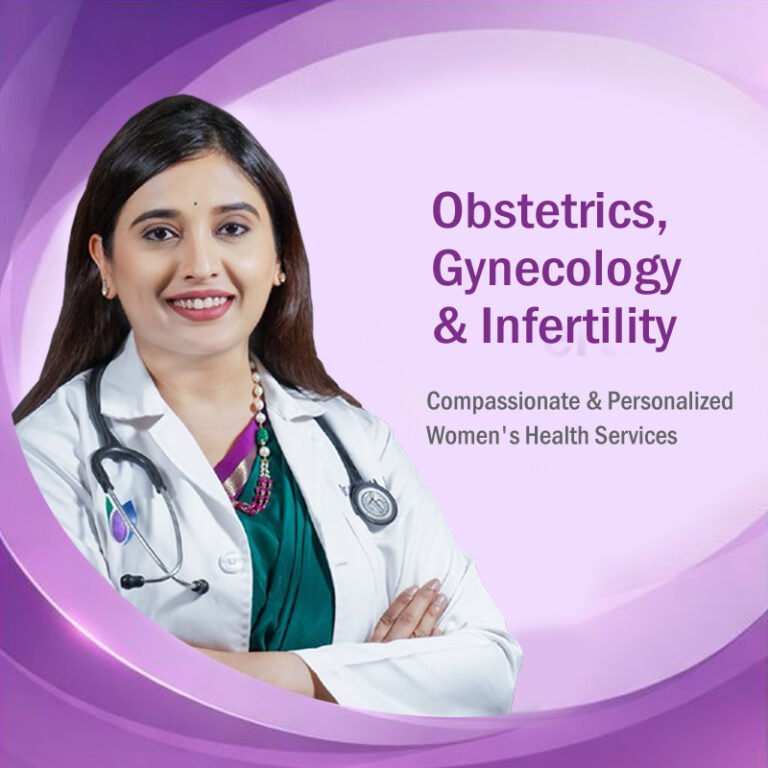
Meet Your Expert : Dr. Samiksha Jain
Dr. Samiksha Jain
Obstetrician, Gynecologist & Fertility Specialist
MBBS, MD (Obs/Gyn) Gold Medalist
Fellowship in Reproductive Medicine (Bangalore),
Fellowship in Minimal Access Surgery (Bangalore),
Advanced Diploma in Reproductive Medicine (Germany)
Dr. Samiksha Jain is a highly accomplished Obstetrician, Gynecologist, and Fertility Specialist known for her compassionate approach and excellence in women’s healthcare. A Gold Medalist in MD (Obstetrics & Gynecology), she combines academic brilliance with advanced clinical expertise to provide the highest standard of care to her patients. Dr. Samiksha Jain is an esteemed Gynecologist dedicated to empowering women through natural, comprehensive, and deeply personalized health protocols. With her profound expertise in high-risk obstetrics, maternal-fetal medicine, and advanced ultrasound coordination, she offers state-of-the-art clinical support for growth scans, ensuring a safe, deeply reassuring, and beautifully joyful gestation journey for every mother.
Frequently Asked Questions (FAQs)
1. What is a fetal growth scan, and why is it performed?
A growth scan is a third-trimester ultrasound examination that measures the baby’s physical dimensions, calculates estimated fetal weight, evaluates amniotic fluid, and assesses overall developmental health.
2. At what weeks of pregnancy should a growth scan be scheduled?
Routine growth scans are typically performed between the twenty-eighth and thirty-second weeks of gestation, while high-risk pregnancies may require serial scans starting earlier.
3. How does a growth scan differ from an anomaly scan?
While the earlier Anomaly Scan in Nagpur focuses on detailed organ formation and structural anatomy, the growth scan emphasizes physical size, weight gain velocity, and amniotic fluid volume in the third trimester.
4. Are Doppler studies always included with a growth scan?
Doppler studies are frequently combined with growth scans—especially in high-risk pregnancies—to evaluate blood flow through the umbilical cord and ensure optimal placental function.
5. Do I need to prepare in any special way before attending a growth scan?
No fasting is required, and you can eat normally. Bringing your previous scan reports is crucial so your doctor can accurately calculate growth velocity from past measurements.
6. What happens if my growth scan shows the baby is measuring small or large?
An atypical measurement is not automatically a sign of danger; it serves as a vital clinical indicator that guides your obstetrician in providing specialized monitoring and tailored care.
7. How does pre-conception care connect to healthy late-stage development?
Engaging in proactive Pre Conception Counselling establishes a pristine physiological baseline, supporting optimal metabolic health throughout the entire gestational journey.
8. When should I book my initial prenatal and growth scan consultations in Nagpur?
You should schedule your consultations early in your pregnancy, allowing your obstetrician to integrate growth scans seamlessly into your comprehensive Pregnancy Care plan.
Disclaimer: The comprehensive information provided in this extensive article is strictly for educational, informational, and awareness purposes only. It is not intended to be a substitute for professional medical advice, clinical diagnosis, or specialized therapeutic treatment. Always seek the direct, personalized advice of your physician or qualified healthcare provider regarding any medical condition, anatomical concerns, or prior to initiating any new dietary change, physical therapy, or surgical procedure.