High Risk Pregnancy in Nagpur: The journey of pregnancy is universally celebrated as a profound, transformative, and emotionally stirring chapter in a woman’s life. While the vast majority of gestations unfold smoothly, certain medical, anatomical, or environmental factors require an elevated level of vigilance, specialized monitoring, and expert clinical management. A high-risk pregnancy is defined as any gestation where potential health complications pose increased risks to the mother, the developing fetus, or both, demanding continuous oversight by an experienced maternal-fetal specialist. In the vibrant and rapidly growing city of Nagpur, advanced healthcare infrastructure and specialized gynecological care provide exceptional pathways for comprehensive risk stratification, advanced diagnostics, and compassionate clinical management. Whether you are transitioning from pre-conception optimization, seeking guidance after unexpected symptoms that required Vaginal bleeding Treatment, or establishing an elite monitoring schedule that integrates seamlessly with structured Pregnancy Care protocols, understanding the core realities of high-risk pregnancies is essential for peace of mind. Cultural anxiety, generalized fears, or a lack of clear physiological education often cause expectant mothers unnecessary stress. It is vital to recognize that modern obstetrics offers sophisticated, non-invasive diagnostic modalities and highly protective clinical protocols designed to navigate complex gestations safely without relying on chemical or pharmaceutical drug interventions. Finding an expert, empathetic Gynecologist in Nagpur is the foundational step in receiving precise health assessments, personalized monitoring schedules, and expert clinical guidance tailored to your unique anatomical and metabolic profile. To truly comprehend the scope of high-risk management, one must explore the distinct physiological categories of risk factors, the power of advanced ultrasound surveillance, nutritional excellence, and specialized birth planning. Consequently, navigating a high-risk pregnancy requires a multi-dimensional, deeply supportive approach that prioritizes natural maternal-fetal health, evidence-based observation, and holistic physical restoration.
Understanding High-Risk Pregnancies and Risk Stratification
To effectively approach High Risk Pregnancy in Nagpur, it is medically necessary to understand what risk stratification entails and why early identification changes the entire trajectory of prenatal care. Risk stratification is the systematic evaluation of maternal health history, genetic markers, anatomical factors, and environmental influences to categorize a pregnancy and deploy targeted medical resources accordingly.
The primary categories and objectives of high-risk pregnancy management include:
- Early Identification of Vulnerabilities: Pinpointing pre-existing medical conditions, previous obstetric complications, or lifestyle factors during initial consultations such as Pre Conception Counselling.
- Intensive Fetal Surveillance: Utilizing serial high-resolution imaging and continuous biophysical monitoring to track fetal growth velocity, amniotic fluid volume, and placental perfusion.
- Maternal Health Stabilization: Closely monitoring maternal blood pressure, metabolic markers, and circulatory dynamics to prevent complications before they manifest.
- Proactive Birth Planning: Coordinating specialized multidisciplinary care teams and determining the safest timing and mode of delivery well in advance of labor.
Understanding these objectives ensures that high-risk management is viewed not as a source of alarm, but as a proactive shield of elite medical protection designed to safeguard both mother and child.
Classifying Risk Factors: Maternal, Medical, and Gestational Triggers
High-risk pregnancies can stem from a wide variety of maternal characteristics, pre-existing health conditions, or complications that develop during the course of gestation. Recognizing these factors allows the clinical team to customize care precisely.
The primary categories of risk factors include:
- Advanced Maternal Age and Adolescent Pregnancies: Pregnancies occurring in women aged thirty-five and older, or in very young mothers, carry distinct statistical considerations regarding chromosomal health and metabolic efficiency.
- Pre-Existing Chronic Conditions: Conditions such as chronic hypertension, autoimmune disorders, renal disease, and underlying endocrine imbalances—including metabolic variations managed under specialized PCOS Treatment protocols.
- Obstetric History and Uterine Factors: A history of recurrent miscarriages, prior preterm deliveries, or structural anatomical concerns, such as fibroids or growths evaluated during Uterine polyps Treatment.
- Multiple Gestations: Carrying twins, triplets, or higher-order multiples naturally increases metabolic and physical demands, requiring heightened surveillance.
- Gestational Complications: The sudden onset of conditions during pregnancy, such as gestational hypertension, gestational diabetes, abnormal placental positioning, or unexpected bleeding episodes requiring prompt Vaginal bleeding Treatment oversight.
By mapping these factors early, the clinical team establishes a robust defense system tailored to the specific demands of the gestation.
Identifying Warning Signs and Clinical Triggers During Gestation
While routine high-risk monitoring appointments are scheduled frequently, expectant mothers must remain acutely aware of bodily warning signs that require immediate professional evaluation between visits.
The primary symptoms and warning signs that should prompt immediate medical contact include:
- Persistent Severe Headaches or Visual Disturbances: Sudden, unrelenting headaches, blurred vision, or seeing flashing spots—critical red flags regarding maternal blood pressure stability.
- Unexpected Vaginal Bleeding or Fluid Leakage: Any spotting, hemorrhage, or sudden passage of watery fluid from the vagina demanding immediate Vaginal bleeding Treatment evaluation.
- Severe Abdominal or Pelvic Pain: Sharp, unrelenting cramping or tenderness in the lower abdomen that exceeds normal gestational stretching discomfort.
- Decreased Fetal Movement: A noticeable, sudden reduction in active fetal kicks and movements during the second and third trimesters.
- Sudden, Excessive Swelling: Rapid swelling of the face, hands, or feet, indicating potential fluid retention imbalances.
When these physical indicators arise, prompt consultation with your obstetrician ensures that immediate diagnostic assessments are performed to protect maternal and fetal well-being.
Advanced Diagnostic Monitoring and Surveillance Modalities
Managing a high-risk pregnancy requires state-of-the-art diagnostic tools that provide crystal-clear visibility into the intrauterine environment, allowing physicians to monitor fetal health with exceptional precision.
The core diagnostic and monitoring modalities encompass:
- High-Resolution Ultrasonography (TVS/TAS): Advanced imaging modalities that evaluate structural anatomy, fetal biometry, umbilical blood flow via Doppler studies, and exact cervical length.
- Serial Biophysical Profile (BPP): Combining non-stress fetal heart rate monitoring with real-time ultrasound observation of fetal breathing, body movements, muscle tone, and amniotic fluid volume.
- Comprehensive Maternal Biomarker Panels: Regular tracking of metabolic function, red blood cell counts, and specialized hormonal trajectories.
- Cervical Length Surveillance: Serial scans to monitor structural integrity and prevent preterm cervical shortening.
These advanced techniques empower the clinical team to make proactive, highly informed decisions at every stage of the pregnancy journey.
Supportive Care, Nutritional Excellence, and Lifestyle Adaptation
Supporting a high-risk pregnancy places unique demands on the maternal body, making wholesome nutrition, targeted rest, and lifestyle adjustments foundational pillars of care.
Nutrient-Dense Whole Foods: Emphasizing an abundant variety of vibrant antioxidant vegetables, clean lean proteins, healthy fats, and complex whole grains provides the cellular building blocks required for optimal fetal development and maternal strength.
Targeted Hydration and Metabolic Support: Maintaining consistent daily hydration supports expanded blood volume and efficient metabolic waste elimination, ensuring smooth circulatory function.
Rest, Activity Modification, and Stress Reduction: Balancing gentle prenatal movement with adequate physical rest minimizes physical strain. Integrating daily mindfulness, restorative breathing, and emotional reassurance regulates maternal cortisol levels, fostering a peaceful internal sanctuary that benefits both mother and baby. Furthermore, maintaining overall pelvic floor health prevents long-term urogenital complications, protecting against future issues such as Stress incontinence Treatment or fascial descents managed under Uterine prolapse Treatment protocols.
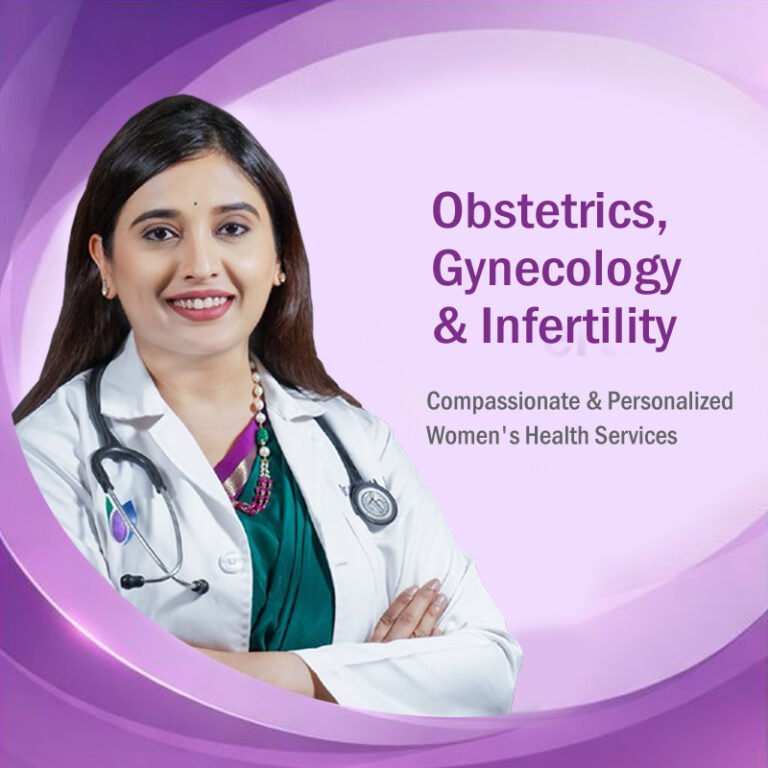
Meet Your Expert : Dr. Samiksha Jain
Dr. Samiksha Jain
Obstetrician, Gynecologist & Fertility Specialist
MBBS, MD (Obs/Gyn) Gold Medalist
Fellowship in Reproductive Medicine (Bangalore),
Fellowship in Minimal Access Surgery (Bangalore),
Advanced Diploma in Reproductive Medicine (Germany)
Dr. Samiksha Jain is a highly accomplished Obstetrician, Gynecologist, and Fertility Specialist known for her compassionate approach and excellence in women’s healthcare. A Gold Medalist in MD (Obstetrics & Gynecology), she combines academic brilliance with advanced clinical expertise to provide the highest standard of care to her patients. Dr. Samiksha Jain is an esteemed Gynecologist dedicated to empowering women through natural, comprehensive, and deeply personalized health protocols. With her profound expertise in high-risk obstetrics, maternal-fetal medicine, and complex pregnancy care, she offers state-of-the-art clinical support, ensuring a safe, deeply reassuring, and beautifully joyful gestation journey for every mother.
Frequently Asked Questions (FAQs)
1. What classifies a pregnancy as high-risk?
A high-risk pregnancy is any gestation where maternal medical history, age, chronic conditions, multiple fetuses, or gestational complications increase the statistical likelihood of health challenges for the mother or baby.
2. How often are prenatal check-ups scheduled for high-risk pregnancies?
Check-ups are scheduled much more frequently than in standard pregnancies—often bi-weekly or weekly—depending on the specific risk factors, allowing for continuous monitoring and rapid clinical response.
3. What diagnostic tests are typically used in high-risk pregnancy care?
Care frequently incorporates high-resolution ultrasound imaging, Doppler blood flow studies, biophysical profiles, non-stress fetal heart rate monitoring, and specialized maternal biomarker panels.
4. Can pre-conception planning help prevent high-risk complications?
Yes. Engaging in proactive Pre Conception Counselling allows physicians to identify and stabilize underlying health conditions before pregnancy even begins.
5. What role does nutrition play in managing a high-risk pregnancy?
Wholesome, nutrient-dense whole foods provide essential micronutrients, proteins, and healthy fats that support placental function, fetal organ development, and maternal circulatory health.
6. What should I do if I notice warning signs like bleeding or reduced fetal movement?
You should contact your obstetrician immediately for an urgent evaluation, utilizing specialized services like Vaginal bleeding Treatment oversight when bleeding occurs.
7. How does high-risk pregnancy care influence the birth plan?
Careful continuous monitoring allows your obstetrician to determine the safest timing and mode of delivery—whether a natural progression or a planned surgical intervention—ensuring maximum safety.
8. When should I book my initial high-risk consultation in Nagpur?
You should schedule your consultation as soon as your pregnancy is confirmed, or during preconception planning, to establish an expert, supportive care roadmap from day one.
Disclaimer: The comprehensive information provided in this extensive article is strictly for educational, informational, and awareness purposes only. It is not intended to be a substitute for professional medical advice, clinical diagnosis, or specialized therapeutic treatment. Always seek the direct, personalized advice of your physician or qualified healthcare provider regarding any medical condition, anatomical concerns, or prior to initiating any new dietary change, physical therapy, or surgical procedure.