Infertility Treatment in Nagpur: The profound desire to nurture new life and build a family represents one of the most fundamental, deeply cherished aspirations of the human experience. For many couples, the journey toward parenthood unfolds naturally and effortlessly. However, for a significant percentage of individuals, the path encounters biological, hormonal, or anatomical hurdles that make spontaneous conception challenging. In modern reproductive medicine, extraordinary scientific breakthroughs and advanced assisted reproductive technologies have transformed what was once a source of quiet heartbreak into a journey filled with genuine hope, precise diagnostic clarity, and remarkably high success rates. In the vibrant and rapidly advancing medical hub of Nagpur, elite healthcare infrastructure and specialized reproductive centers provide couples facing fertility challenges with world-class medical evaluations, cutting-edge laboratory protocols, and deeply compassionate, individualized care. Whether you have established your early wellness baseline through structured preconception protocols like Pre Conception Counselling, navigated underlying endocrine imbalances managed under structured PCOS Treatment regimens, resolved structural uterine concerns through targeted Uterine polyps Treatment, managed early-trimester adjustments requiring Vaginal bleeding Treatment, prepared for future milestones like an NT Scan in Nagpur or mid-trimester Anomaly Scan in Nagpur, reviewed late-stage biometric development via a Growth Scan in Nagpur, assessed vascular hemodynamics through Obstetric Doppler in Nagpur, sought genetic clarity via Amniocentesis in Nagpur, transitioned into specialized Pregnancy Care roadmaps, planned for high-risk surveillance under High Risk Pregnancy in Nagpur, or secured delivery suites backed by High Risk Delivery with ICU backup in Nagpur, understanding the true clinical scope of Infertility Treatment in Nagpur is essential for absolute peace of mind. Societal stigma, generalized misconceptions regarding reproductive technologies, or unfamiliarity with modern clinical pathways can sometimes cause unnecessary hesitation. It is vital to recognize that modern reproductive medicine offers sophisticated, evidence-based, and highly personalized therapies designed to address the root causes of subfertility without relying on generalized or one-size-fits-all assumptions. Finding an expert, empathetic Gynecologist and Fertility Specialist in Nagpur is the foundational step in receiving accurate diagnostic evaluations, advanced ART coordination, and tailored guidance. To truly comprehend the profound scope of infertility care, one must explore the underlying medical etiologies of both female and male factor subfertility, comprehensive diagnostic workups, advanced ovulation induction, intrauterine insemination (IUI), in vitro fertilization (IVF), intracytoplasmic sperm injection (ICSI), reproductive surgeries, and holistic wellness support. Consequently, approaching infertility requires a multi-dimensional, deeply supportive framework that honors scientific excellence, uncompromising safety, and emotional well-being.
Defining Infertility and Understanding Its Multifaceted Etiologies
To effectively approach infertility treatment, it is medically necessary to explore the biological definition of subfertility and the diverse physiological factors that can influence human reproduction. Medically, infertility is defined as the inability to achieve a clinical pregnancy after twelve months of regular, unprotected sexual intercourse (or six months for women aged thirty-five years and older).
Reproductive health relies on a delicate, synchronized symphony of physiological events: the release of a healthy oocyte from the ovary, the production of viable and motile sperm, open and functional fallopian tubes allowing fertilization, and a receptive uterine lining capable of supporting implantation. Disruption at any point in this intricate chain can result in subfertility. The primary etiological categories include:
- Female Factor Infertility: Accounting for approximately forty to fifty percent of cases, encompassing ovulatory disorders (such as anovulation or diminished ovarian reserve), tubal blockages or pelvic adhesions (often stemming from infections or endometriosis), and uterine abnormalities.
- Male Factor Infertility: Contributing equally to roughly forty to fifty percent of cases, involving abnormalities in sperm count (oligospermia), sperm motility (asthenospermia), abnormal morphology (teratospermia), or complete absence of sperm (azoospermia) due to hormonal or obstructive causes.
- Unexplained Infertility: Diagnosed when standard diagnostic evaluations reveal no definitive physiological abnormalities in either partner, yet conception does not occur naturally, requiring empirical, structured reproductive assistance.
- Combined or Lifestyle Factors: Environmental stressors, advanced maternal and paternal age, nutritional imbalances, and metabolic disruptions that impact gamete quality.
Recognizing these diverse etiologies empowers clinical teams to tailor treatment protocols precisely to the couple’s unique diagnostic profile.
Comprehensive Diagnostic Workup: Uncovering the Root Cause
A successful treatment journey begins with an exhaustive, systematic diagnostic evaluation. Modern reproductive clinics utilize advanced laboratory testing, imaging modalities, and clinical assessments to map out every variable of a couple’s reproductive health.
The core diagnostic suite encompasses:
- Hormonal Profile Assays: Evaluating baseline serum levels of Follicle-Stimulating Hormone (FSH), Luteinizing Hormone (LH), Thyroid-Stimulating Hormone (TSH), prolactin, and Anti-Mullerian Hormone (AMH) to assess ovarian reserve and endocrine balance.
- Transvaginal Follicular and Pelvic Sonography: Performing baseline and serial scans to count antral follicles, evaluate uterine architecture, and rule out structural pathologies such as fibroids, ovarian cysts, or endometrial polyps.
- Hysterosalpingography (HSG) and Tubal Patency Tests: Specialized fluoroscopic or sonographic imaging to confirm that the fallopian tubes are open and unobstructed and that the uterine cavity is smooth.
- Comprehensive Semen Analysis: Rigorous laboratory assessment of male ejaculate evaluating sperm concentration, motility, vitality, and morphological characteristics according to strict international standards.
This rigorous diagnostic foundation ensures that every subsequent therapeutic intervention is targeted, efficient, and evidence-based.
Advanced Assisted Reproductive Technologies (ART): From IUI to IVF and ICSI
When lifestyle modifications, ovulation induction, or minor medical therapies do not achieve conception, modern assisted reproductive technologies offer powerful pathways to parenthood.
The primary ART modalities include:
- Intrauterine Insemination (IUI): A frontline fertility treatment where washed, highly concentrated, and motile sperm are placed directly into the uterine cavity around the time of ovulation, bypassing cervical barriers and increasing the concentration of sperm reaching the fallopian tubes.
- In Vitro Fertilization (IVF): A sophisticated laboratory procedure where controlled ovarian stimulation encourages the development of multiple mature oocytes. These oocytes are retrieved minorly under ultrasound guidance and fertilized with prepared sperm in an advanced embryology laboratory, allowing resulting embryos to be cultured and transferred directly into the prepared uterus.
- Intracytoplasmic Sperm Injection (ICSI): An advanced specialization of IVF designed for severe male factor infertility, wherein a single, highly selected, morphologically normal sperm is microinjected directly into the cytoplasm of a mature oocyte, maximizing fertilization rates.
- Embryo Cryopreservation and Vitrification: Utilizing ultra-rapid freezing technology to preserve surplus high-quality embryos safely for future frozen embryo transfer (FET) cycles or fertility preservation.
These advanced techniques provide exceptional success rates, even in complex or previously challenging clinical cases.
Reproductive Surgeries and Minimally Invasive Interventions
Sometimes, physical or anatomical barriers within the reproductive tract require direct surgical correction to restore normal physiological function and enhance fertility potential.
The primary surgical interventions include:
- Diagnostic and Operative Hysteroscopy: A slender, illuminated telescope inserted through the cervix to visualize the interior of the uterine cavity directly, allowing for the immediate removal of intrauterine adhesions, submucosal fibroids, or endometrial polyps.
- Minimally Invasive Laparoscopic Surgery: Advanced keyhole surgical techniques utilized to excise pelvic endometriosis, lyse pelvic adhesions, treat hydrosalpinx, or remove subserosal and intramural fibroids with minimal tissue trauma and rapid recovery.
- Customized Ovarian Stimulation Protocols: Tailored pharmaceutical regimens designed specifically for poor responders or patients with diminished ovarian reserve to optimize oocyte yield and quality without overstimulation risks.
Integrating expert surgical precision with advanced embryology laboratories ensures comprehensive care for every structural challenge.
Navigating Challenging Cases: Recurrent Failure and Preservation
For couples who have experienced previous disappointments, specialized expertise is vital to alter the clinical trajectory and achieve success.
Specialized clinical focus areas include:
- Recurrent Implantation Failure (RIF): Comprehensive investigation and management for couples who have undergone multiple high-quality embryo transfers without achieving pregnancy, exploring endometrial receptivity, immunological factors, and genetic screening.
- Recurrent Pregnancy Losses (RPL): Systematic evaluation of parental karyotypes, thrombophilia profiles, and anatomical factors to prevent repeated miscarriages and secure a full-term pregnancy.
- Fertility Preservation: Advanced medical cryopreservation of oocytes, sperm, or embryos for individuals facing medical treatments (such as oncological therapies) or personal lifestyle delays.
This rigorous, highly specialized attention ensures that even the most complex reproductive challenges are met with innovative, compassionate solutions.
Nutritional Excellence, Whole Foods, and Reproductive Wellness
Nourishing the body and optimizing metabolic health play a foundational role in enhancing gamete quality, hormonal balance, and overall reproductive success.
Nutrient-Dense Whole Foods and Antioxidant Support: Emphasizing an abundant variety of vibrant, antioxidant-rich vegetables, dark leafy greens, clean lean proteins, healthy essential fats (such as omega-3 fatty acids), and complex whole grains provides the essential micronutrients, vitamins, and minerals required for optimal cellular replication and hormonal regulation.
Hydration and Metabolic Detoxification: Maintaining consistent daily hydration with pure water and mineral-rich infusions supports optimal cellular fluid balance, systemic circulation, and efficient metabolic waste elimination.
Emotional Resilience and Stress Regulation: Undergoing fertility treatment can be an emotional journey. Incorporating mindfulness, restorative breathing, yoga, and professional counseling regulates maternal and paternal cortisol levels, fostering a serene internal environment that supports overall well-being and treatment success.
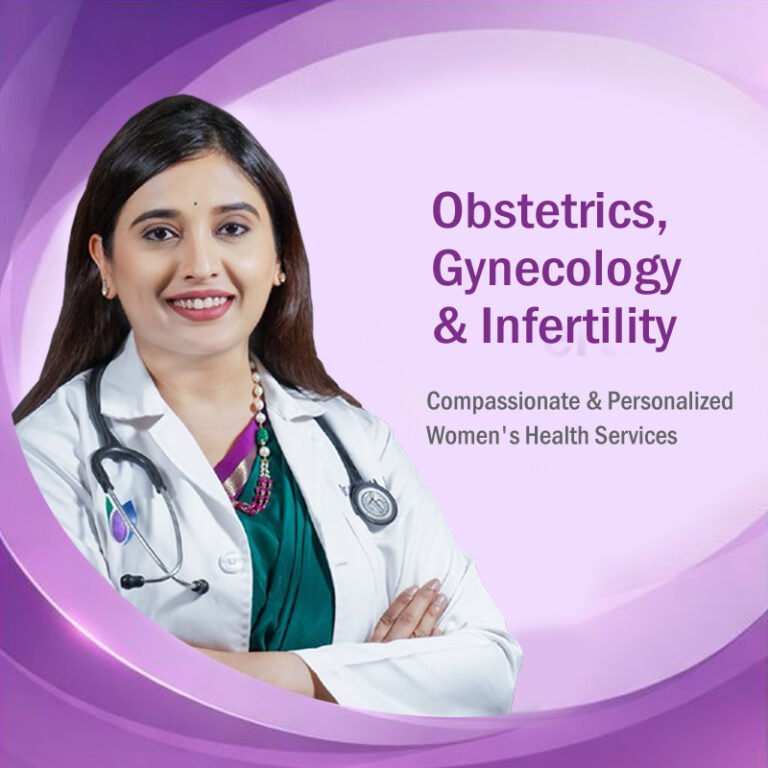
Meet Your Expert : Dr. Samiksha Jain
Dr. Samiksha Jain
Obstetrician, Gynecologist & Fertility Specialist
MBBS, MD (Obs/Gyn) Gold Medalist
Fellowship in Reproductive Medicine (Bangalore),
Fellowship in Minimal Access Surgery (Bangalore),
Advanced Diploma in Reproductive Medicine (Germany)
Dr. Samiksha Jain is a highly accomplished Obstetrician, Gynecologist, and Fertility Specialist known for her compassionate approach and excellence in women’s healthcare. A Gold Medalist in MD (Obstetrics & Gynecology), she combines academic brilliance with advanced clinical expertise to provide the highest standard of care to her patients. Dr. Samiksha Jain is an esteemed Fertility Specialist dedicated to empowering couples through natural, comprehensive, and advanced reproductive health protocols. With her profound expertise in assisted reproduction (IVF/ICSI), minimal access reproductive surgery, and high-risk fertility management, she offers state-of-the-art clinical support, ensuring a safe, deeply reassuring, and successful journey toward parenthood for every family.
Frequently Asked Questions (FAQs)
1. When should a couple consult a fertility specialist for evaluation?
Couples should consult a specialist after twelve months of regular unprotected intercourse, or after six months if the female partner is thirty-five years of age or older, or if there is a known medical history affecting fertility.
2. What are the primary differences between IUI and IVF treatments?
IUI involves placing washed sperm directly into the uterus during ovulation, whereas IVF is an advanced laboratory procedure where eggs are retrieved and fertilized outside the body before embryo transfer.
3. What causes male factor infertility, and how is it addressed?
Male factor infertility involves low sperm count, poor motility, or abnormal morphology, which can be managed through lifestyle changes, medical therapy, or advanced techniques like ICSI.
4. Is In Vitro Fertilization (IVF) a painful or invasive procedure?
Ovarian stimulation involves mild injections, and egg retrieval is performed under brief, comfortable anesthesia, ensuring minimal discomfort and rapid recovery.
5. Can lifestyle factors significantly impact overall fertility success?
Yes, maintaining balanced nutrition, managing stress, achieving a healthy body weight, and avoiding smoking or excessive alcohol consumption significantly improve reproductive outcomes.
6. What diagnostic tests are conducted during an initial fertility consultation?
Initial tests typically include hormonal blood panels, transvaginal ultrasound scans for ovarian reserve, tubal patency assessments, and a comprehensive semen analysis.
7. How does pre-conception counseling support future reproductive health?
Engaging in proactive Pre Conception Counselling establishes a pristine physiological baseline, optimizing metabolic health and nutrition before attempting conception.
8. Where can I access expert infertility treatment and compassionate care in Nagpur?
You can schedule your comprehensive fertility and gynecological consultations in Nagpur, allowing expert specialists to guide you seamlessly through your Pregnancy Care roadmap.
Disclaimer: The comprehensive information provided in this extensive article is strictly for educational, informational, and awareness purposes only. It is not intended to be a substitute for professional medical advice, clinical diagnosis, or specialized therapeutic treatment. Always seek the direct, personalized advice of your physician or qualified healthcare provider regarding any medical condition, anatomical concerns, or prior to initiating any new dietary change, physical therapy, or surgical procedure.