

Miscarriage Treatment in Nagpur: Pregnancy is universally anticipated as a profound, joyous journey filled with hope, planning, and emotional connection. However, for a significant number of expectant families, this delicate journey can face unexpected and heartbreaking turns. A miscarriage, medically defined as the spontaneous loss of a pregnancy before the 20th week of gestation, is one of the most emotionally devastating and physically challenging experiences an individual or couple can endure. In the bustling, fast-paced city of Nagpur, lifestyle stresses, underlying hormonal imbalances, and complex physiological factors contribute to the incidence of early pregnancy loss. Whether you are navigating the sudden grief of an early pregnancy termination, experiencing concerning symptoms that require immediate Vaginal bleeding Treatment, or seeking compassionate post-loss guidance, understanding the clinical intricacies of miscarriage care is essential for physical recovery and emotional healing. The cultural stigma surrounding pregnancy loss often forces women to grieve in isolation, preventing them from accessing the vital medical support and psychological counseling they deserve. It is critical to recognize that a miscarriage is rarely caused by anything a mother did or did not do; rather, it is frequently a natural mechanism when a pregnancy encounters insurmountable chromosomal or developmental anomalies. Finding an expert, empathetic Gynecologist in Nagpur is the foundational step in receiving comprehensive post-loss evaluation, safe clinical management, and expert Pre Conception Counselling to prepare your body and mind for a healthy future pregnancy. To truly comprehend the scope of miscarriage care, one must explore the delicate biological milestones of early gestation. A successful pregnancy relies on a flawless sequence of events: fertilization, transport, implantation, and the complex hormonal signaling required to sustain the corpus luteum and build a thick endometrial lining. When chromosomal abnormalities arise during cell division, or if the uterine environment faces severe structural anomalies such as Uterine polyps Treatment necessities or unmanaged endocrine disruptions like those addressed in PCOS Treatment, the pregnancy may fail to progress. Consequently, addressing a miscarriage requires a multi-dimensional, deeply compassionate approach that prioritizes safe uterine evacuation, infection prevention, hormonal stabilization, and profound emotional restoration without relying on chemical or pharmaceutical drug interventions.
Understanding Miscarriage: Classifications and Terminology
To effectively navigate Miscarriage Treatment, it is medically necessary to understand the various classifications and terminology associated with early pregnancy loss. Miscarriages are categorized based on their clinical presentation, timing, and the stage of tissue passage.
A threatened miscarriage occurs when a pregnant woman experiences vaginal bleeding and mild cramping, but the cervix remains closed, and the pregnancy is still viable within the uterus. With strict rest and monitoring, many threatened pregnancies progress successfully. However, if the cervix dilates and the products of conception begin to pass, it is classified as an inevitable miscarriage. When some, but not all, of the pregnancy tissue is expelled from the uterus, it is termed an incomplete miscarriage, which frequently requires clinical intervention to manage persistent bleeding. Conversely, a complete miscarriage occurs when all pregnancy tissue has naturally and entirely exited the uterus, and the cervix has closed.
Another deeply challenging scenario is a missed miscarriage (or silent miscarriage), where the embryo or fetus has stopped developing or has died in utero, but the placenta continues to release early pregnancy hormones, meaning the body does not immediately recognize the loss, and typical pregnancy symptoms may temporarily persist without any bleeding or cramping. Finally, recurrent pregnancy loss—historically defined as three or more consecutive spontaneous miscarriages—requires an exhaustive diagnostic investigation into genetic, immunological, and anatomical factors. For women navigating these turbulent diagnostic phases, undergoing a precise Dating Scan or a subsequent NT Scan in early gestation provides critical chronological clarity and structural evaluation.
Identifying Symptoms, Warning Signs, and Clinical Triggers
Recognizing the early warning signs of a potential miscarriage is vital for ensuring timely medical evaluation and preventing severe physical complications such as excessive hemorrhage or systemic infection. While mild spotting and light cramping can be completely normal in healthy first-trimester pregnancies—often requiring careful Bleeding during pregnancy Treatment oversight—certain symptoms serve as absolute red flags demanding immediate gynecological attention.
The primary symptoms of a miscarriage include:
- Vaginal Bleeding: Ranging from light brownish spotting to heavy, bright red bleeding that can significantly exceed a normal menstrual flow.
- Severe Abdominal Cramping: Intensifying, rhythmic lower abdominal or lower back pain that mirrors or exceeds severe Menstrual cramps Treatment requirements.
- Passage of Tissue: The visible passing of fluid-filled tissue clots or recognizable embryonic material through the vagina.
- Sudden Disappearance of Pregnancy Symptoms: An abrupt cessation of breast tenderness, extreme fatigue, and morning sickness, signaling a drop in human chorionic gonadotropin (hCG) levels.
- Systemic Signs of Infection: Fever, chills, and foul-smelling vaginal discharge, which indicate a septic miscarriage requiring emergency intervention.
The emotional and psychological impact accompanying these physical symptoms is profound. Women and their partners frequently experience acute grief, shock, guilt, and profound isolation. A compassionate gynecological care protocol must seamlessly integrate emotional support alongside physical healing, ensuring that patients never feel dismissed or rushed through their grief.
Root Causes and Underlying Factors of Pregnancy Loss
Understanding why a miscarriage occurs can offer a degree of closure and direct future family planning. Clinical consensus indicates that the vast majority of first-trimester miscarriages are completely out of the mother’s control, driven by genetic and biological factors rather than lifestyle choices or daily activities.
Chromosomal Abnormalities: Over 50% of all spontaneous first-trimester miscarriages are attributed to random chromosomal abnormalities in the fertilized egg. During the complex process of cell division, errors can occur—such as an extra or missing chromosome—making normal embryonic development biologically impossible. The body naturally recognizes this anomaly and halts the pregnancy.
Anatomical Uterine Abnormalities: Structural irregularities within the uterine cavity can severely compromise implantation and fetal growth. Conditions such as congenital uterine septa, uterine scarring, or the presence of fibroids and polyps can physically restrict space. Addressing these structural hurdles through specialized interventions like Uterine polyps Treatment is vital for women suffering from recurrent losses.
Endocrine and Hormonal Imbalances: A robust endocrine environment is mandatory to sustain early gestation. Insufficient progesterone production by the corpus luteum can cause the endometrial lining to shed prematurely. Furthermore, unmanaged metabolic disorders, such as severe insulin resistance or uncontrolled polycystic ovary syndrome, heavily increase miscarriage risks, making proactive management protocols akin to PCOS Treatment essential before attempting conception.
Immunological and Blood Clotting Disorders: Conditions such as antiphospholipid syndrome can cause microscopic blood clots to form in the placental blood vessels, cutting off vital oxygen and nutrient supplies to the developing embryo.
Chronic Maternal Health Conditions: Severe, uncontrolled systemic illnesses, untreated chronic infections, and severe pelvic floor structural weaknesses that might later manifest into conditions requiring Uterine prolapse Treatment all contribute to an elevated baseline risk profile.
Comprehensive Diagnostics and Post-Loss Evaluations
When a patient presents with symptoms of a miscarriage or requires a comprehensive evaluation following a pregnancy loss, a meticulous diagnostic protocol is initiated to confirm the clinical status and determine the safest path forward. When consulting a trusted Gynecologist in Nagpur, the diagnostic journey is handled with extreme sensitivity and clinical precision.
The evaluation typically begins with a detailed review of the patient’s medical and obstetric history, followed by a gentle physical and pelvic examination. To visualize the intrauterine contents and establish definitive confirmation, advanced imaging is employed:
- Transvaginal Ultrasound: The gold standard for evaluating early pregnancy. It allows the physician to visualize the gestational sac, check for a fetal heartbeat, measure crown-rump length, and definitively determine whether a miscarriage is threatened, missed, or incomplete.
- Serial Quantitative hCG Blood Tests: Measuring the exact levels of pregnancy hormones in the blood over a 48-hour window provides clear data on whether hormone levels are rising appropriately or declining, confirming pregnancy viability or loss.
- Tissue Histopathology: If surgical evacuation is performed, the evacuated tissue can be sent for pathological analysis to check for molar pregnancy or chromosomal microarray testing to uncover the genetic cause of the loss.
- Comprehensive Blood Panels: For women experiencing recurrent losses, extensive blood work is ordered to screen for thyroid disorders, autoimmune markers, inherited thrombophilias, and hormonal imbalances.
Non-Surgical Management and Natural Physiological Support
When a miscarriage is diagnosed as inevitable, incomplete, or missed, and the patient is clinically stable without signs of severe hemorrhage or infection, non-surgical management is a viable, compassionate option that allows the body to complete the natural process on its own.
Expectant Management: This approach involves allowing the body to expel the remaining pregnancy tissue naturally over a period of days to weeks. During this time, the patient is closely monitored by their gynecologist with regular clinical check-ups and ultrasound scans. While expectant management avoids surgical intervention, it requires emotional resilience, as the process can involve unpredictable cramping and heavy bleeding.
Holistic and Nutritional Recovery Support: Following the physical passage of tissue, the body requires deep nutritional and physiological restoration. Emphasizing iron-rich whole foods, vibrant leafy greens, and lean proteins helps combat the depletion caused by blood loss. Hydration and rest are paramount. Furthermore, integrating gentle, restorative mind-body practices—such as restorative yoga, deep diaphragmatic breathing, and mindfulness meditation—helps soothe the nervous system, alleviate cortisol spikes, and process the immense emotional trauma associated with pregnancy loss.
Surgical Interventions: Safe Uterine Evacuation
In scenarios where expectant management is medically contraindicated, where heavy bleeding persists, or where the patient prefers a definitive, scheduled procedure to bring closure, surgical intervention becomes necessary. The primary surgical procedure for managing an incomplete or missed miscarriage is uterine evacuation.
Manual Vacuum Aspiration (MVA) and Suction Curettage: Performed under local, regional, or brief general anesthesia, this gentle outpatient procedure involves the dilation of the cervix and the introduction of a specialized, narrow suction cannula into the uterine cavity. The surgeon meticulously and gently evacuates the remaining pregnancy tissue, ensuring the uterus is completely empty. This drastically reduces the risk of prolonged hemorrhage, severe infection, or retained products of conception.
Post-operative recovery from a surgical evacuation is typically rapid, requiring a few days of physical rest. Strict adherence to post-procedure guidelines—such as avoiding sexual intercourse, tampon usage, and heavy lifting for a mandatory two-week period—is critical to prevent ascending bacterial infections while the cervix naturally closes and the endometrial lining regenerates.
Preparing for the Future: Counseling and Subsequent Pregnancies
Experiencing a miscarriage shatters the expectation of an easy path to parenthood, leaving deep emotional scars and apprehension regarding future conceptions. Comprehensive miscarriage care extends far beyond the immediate physical resolution; it requires dedicated emotional closure and expert medical preparation for future family building.
Initiating structured Pre Conception Counselling is the most empowering step a couple can take. During these sessions, the gynecologist reviews all diagnostic findings from the previous loss, corrects underlying nutritional or hormonal deficiencies, optimizes maternal health baselines, and maps out a reassuring timeline for trying to conceive again. Emotional readiness is just as critical as physical healing; grief counseling and support groups provide a safe harbor to process trauma.
When a subsequent pregnancy is successfully achieved, it frequently carries heightened anxiety for the parents. Providing elite, hyper-vigilant Pregnancy Care is vital to alleviate fears and ensure maternal-fetal well-being. Because of their history, these patients often require specialized monitoring protocols, automatically classifying their gestation under High Risk Pregnancy guidelines to ensure early, reassuring scans—such as an early Dating Scan—are performed to confirm a strong heartbeat and establish peace of mind from day one.
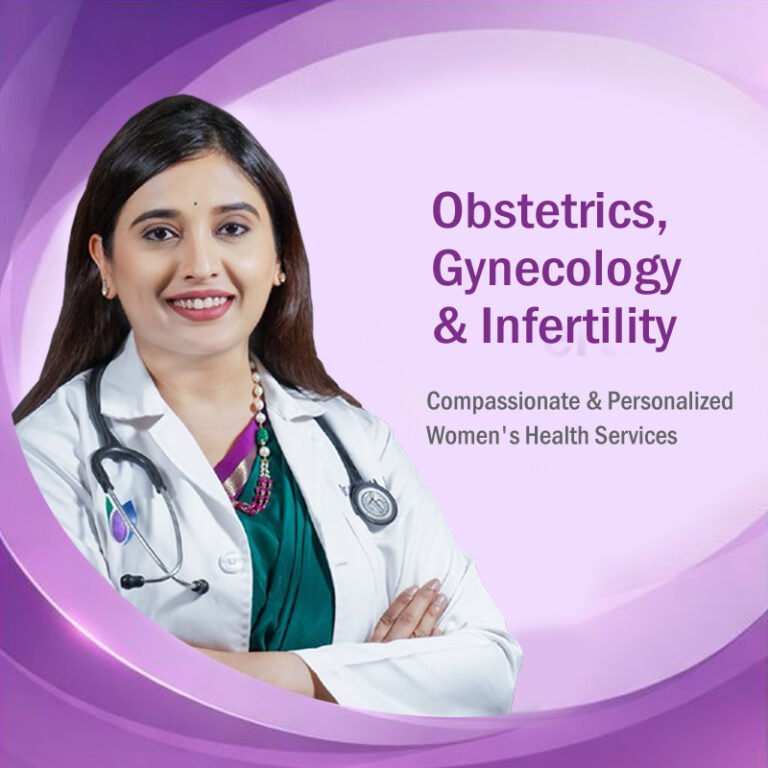
Meet Your Expert : Dr. Samiksha Jain
Dr. Samiksha Jain
Obstetrician, Gynecologist & Fertility Specialist
MBBS, MD (Obs/Gyn) Gold Medalist
Fellowship in Reproductive Medicine (Bangalore),
Fellowship in Minimal Access Surgery (Bangalore),
Advanced Diploma in Reproductive Medicine (Germany)
Dr. Samiksha Jain is a highly accomplished Obstetrician, Gynecologist, and Fertility Specialist known for her compassionate approach and excellence in women’s healthcare. A Gold Medalist in MD (Obstetrics & Gynecology), she combines academic brilliance with advanced clinical expertise to provide the highest standard of care to her patients. Dr. Samiksha Jain is an esteemed Gynecologist dedicated to empowering women through natural, comprehensive, and deeply personalized health protocols. With her profound expertise in recurrent pregnancy loss and high-risk obstetric care, she offers a safe, deeply empathetic harbor for families navigating the heartbreak of miscarriage.
Frequently Asked Questions (FAQs)
1. Did anything I do—like lifting something heavy or exercising—cause my miscarriage?
Absolutely not. This is a common and painful misconception. The vast majority of first-trimester miscarriages are caused by random chromosomal abnormalities or biological factors entirely out of your control. Normal daily activities, routine work, and light exercise do not cause a miscarriage.
2. How long does physical bleeding and recovery last after a miscarriage?
Physical bleeding and mild cramping can last anywhere from one to two weeks as the uterus naturally contracts and sheds the remaining tissue. As hormone levels drop, normal physical energy returns, but it is vital to give your body adequate rest and follow all post-care restrictions.
3. How long should I wait before trying to get pregnant again after a miscarriage?
Physically, the body can often conceive as soon as two weeks after an early miscarriage when ovulation resumes. However, emotionally, many couples need more time to grieve. Doctors typically recommend waiting until you have had at least one normal menstrual cycle, as it helps accurately date a future pregnancy and allows the endometrial lining to fully regenerate.
4. Does having one miscarriage mean I am at higher risk of having another?
Not necessarily. Statistically, having a single miscarriage is common, and the vast majority of women go on to have subsequent healthy, full-term pregnancies. Medical investigations are typically only initiated after two or three consecutive losses (recurrent pregnancy loss).
5. Can hormonal imbalances like PCOS increase my chances of miscarriage?
Yes. Unmanaged hormonal imbalances, elevated insulin levels, and high androgens associated with conditions requiring structured PCOS Treatment can negatively impact endometrial receptivity and increase early pregnancy loss risks. Proactive endocrine management before conception drastically improves outcomes.
6. What is the difference between expectant management and surgical evacuation?
Expectant management involves waiting for the body to naturally expel the pregnancy tissue on its own over time, monitored closely by your doctor. Surgical evacuation (MVA or suction curettage) is a brief, scheduled outpatient procedure where the doctor gently removes the tissue, offering a definitive and controlled resolution.
7. When is it an absolute medical emergency during a miscarriage?
You must seek immediate emergency medical care if you experience hemorrhaging heavy enough to soak through two or more large sanitary pads every hour for two consecutive hours, if you develop a high fever and chills, or if you experience severe, unmanageable dizziness and fainting.
8. How can pre-conception counseling help me after experiencing a loss?
Undergoing structured Pre Conception Counselling allows your gynecologist to evaluate previous diagnostic findings, optimize your nutritional baselines, stabilize hormone levels, and map out a personalized, reassuring roadmap to safeguard your physical and emotional health during your next pregnancy.
Disclaimer: The comprehensive information provided in this extensive article is strictly for educational, informational, and awareness purposes only. It is not intended to be a substitute for professional medical advice, clinical diagnosis, or specialized therapeutic treatment. Always seek the direct, personalized advice of your physician or qualified healthcare provider regarding any medical condition, anatomical concerns, or prior to initiating any new dietary change, physical therapy, or surgical procedure.