NT Scan in Nagpur: The magnificent journey of human gestation begins with microscopic miracles, evolving through weeks of intricate cellular division, organogenesis, and harmonious physiological development. For expectant parents, the first trimester is a period characterized by profound emotional anticipation, physical transformation, and a natural, deep-seated curiosity regarding the health, genetic integrity, and structural development of their growing baby. In modern maternal-fetal medicine, advanced diagnostic innovations empower families with extraordinary clarity early in pregnancy, allowing expert clinicians to evaluate chromosomal health, physical markers, and developmental trajectories with absolute precision. In the vibrant and rapidly growing medical landscape of Nagpur, elite healthcare infrastructure and specialized gynecological care provide expectant mothers with world-class diagnostic imaging services, including expert coordination and performance of the Nuchal Translucency (NT) Scan. Whether you are transitioning smoothly from early preconception optimization protocols like Pre Conception Counselling, managing delicate early-trimester adjustments that occasionally require specialized Vaginal bleeding Treatment oversight, navigating a specialized surveillance protocol under High Risk Pregnancy in Nagpur management, preparing for later structural evaluations like an Anomaly Scan in Nagpur or third-trimester Growth Scan in Nagpur, reviewing vascular dynamics via Obstetric Doppler in Nagpur, or exploring definitive diagnostic options such as Amniocentesis in Nagpur, understanding the true clinical scope of an NT scan is essential for complete peace of mind. Cultural anxiety, generalized fears regarding genetic screening, or a lack of clear physiological education can sometimes overshadow this vital diagnostic milestone. It is vital to recognize that modern diagnostic obstetrics offers sophisticated, non-invasive, and exceptionally safe imaging protocols designed to uncover early developmental insights without relying on chemical or pharmaceutical drug interventions. Finding an expert, empathetic Gynecologist in Nagpur is the foundational step in receiving accurate clinical counseling, precise scan execution, and personalized guidance tailored to your unique gestational profile. To truly comprehend the profound significance of NT Scan in Nagpur, one must explore the fundamental principles of first-trimester embryology, the specific biometric measurements that define nuchal translucency, the science of combined screening with maternal serum markers, step-by-step scan execution, interpretation of statistical probabilities, and how these findings integrate seamlessly into broader Pregnancy Care pathways. Consequently, approaching an NT scan requires a multi-dimensional, deeply supportive framework that honors scientific accuracy, clinical excellence, and holistic maternal-fetal well-being.
The Biological Architecture of the First Trimester: Embryonic Development and Screening Foundations
To effectively approach an NT scan, it is medically necessary to explore the foundational science of first-trimester human embryology and developmental milestones. The first twelve to fourteen weeks of gestation represent the most critical window of structural formation, during which all major organ systems, neural structures, and limb buds are rapidly established from foundational germ layers.
During this delicate period of rapid cellular proliferation, physiological fluids circulate throughout the developing embryo. Nuchal translucency refers to the normal, transient accumulation of fluid beneath the skin at the back of the fetal neck during the first trimester of pregnancy. In virtually all fetuses, a small amount of fluid is naturally present in this region. However, variations in the volume of this subcutaneous fluid space can serve as an important statistical marker for chromosomal variations (such as Trisomy 21 or Down syndrome, Trisomy 18, and Trisomy 13) as well as structural heart defects and genetic syndromes. Understanding these foundational embryological principles allows clinicians to identify potential developmental variations early in gestation. For women navigating underlying metabolic variations—such as endocrine adjustments managed under structured PCOS Treatment protocols—or those with previous uterine structural evaluations like Uterine polyps Treatment, comprehensive first-trimester screening provides a reassuring bridge toward understanding their family planning journey.
Defining the NT Scan: What It Measures and Why It Matters
The Nuchal Translucency (NT) scan is a specialized, high-resolution ultrasound examination performed during the late first trimester to measure the thickness of the fluid-filled space behind the fetal neck. This scan is not merely a picture-taking session; it is a highly sophisticated biometric evaluation requiring advanced ultrasound machinery, stringent sonographer certification, and precise anatomical alignment.
The primary objectives of an NT scan include:
- Accurate Crown-Rump Length (CRL) Measurement: Measuring the exact length of the fetus from the top of the head (crown) to the bottom of the buttocks (rump) to verify precise gestational age and ensure the scan is performed within the strict valid window.
- Nuchal Translucency Thickness Quantification: Utilizing high-magnification grayscale imaging to measure the maximum width of the subcutaneous translucency behind the fetal neck with sub-millimeter precision.
- Assessment of Secondary First-Trimester Markers: Evaluating the presence or absence of the fetal nasal bone (as hypoplasia or absence is statistically associated with chromosomal variations), examining blood flow through the ductus venosus, and checking cardiac valves for tricuspid regurgitation.
- Early Anatomical Survey: Conducting an initial qualitative review of the fetal brain, cranium, spine, stomach, bladder, and limb buds to rule out major structural malformations early in gestation.
This comprehensive evaluation delivers critical statistical risk stratification, empowering parents and medical teams with valuable early insights.
The Ideal Gestational Window and Timing for Absolute Accuracy
The timing of an NT scan is governed by strict physiological windows to ensure maximum measurement accuracy, biological validity, and reliable statistical risk calculation.
The Optimal Gestational Window: An NT scan must be performed strictly between eleven weeks and zero days and thirteen weeks and six days of gestation. Within this specific window, the embryo’s crown-rump length typically measures between forty-five millimeters and eighty-four millimeters.
- Why Timing is Critical: If performed earlier than eleven weeks, the fetus is too small to visualize anatomical landmarks with sufficient clarity, and the fluid space cannot be reliably measured. If performed after fourteen weeks, the lymphatic system of the fetus matures, and excess fluid behind the neck is naturally reabsorbed into the lymphatic channels, masking potential risk markers that would otherwise be detectable.
Holistic Preparation and Assessment: Prior to scheduling the scan, a comprehensive pre-test counseling session is conducted to review the exact clinical rationale, discuss statistical screening concepts, and address any emotional concerns. No complex dietary restrictions or fasting are required. While a moderately full bladder is occasionally beneficial for visualization in early transabdominal scanning, modern high-resolution transducers often require minimal preparation.
Combined Screening: Integrating Ultrasound Measurements with Maternal Serum Biochemistry
To maximize the predictive accuracy of the NT scan, modern maternal-fetal medicine combines the ultrasound measurements with maternal blood biochemistry—a comprehensive approach clinically known as the “Combined First-Trimester Screen.”
The synergistic components of combined screening encompass:
- The Ultrasound NT Measurement: The primary sonographic variable quantifying nuchal fluid thickness relative to fetal crown-rump length.
- Maternal Serum PAPP-A (Pregnancy-Associated Plasma Protein-A): A specialized placental protein measured in maternal blood. Low levels of PAPP-A during the first trimester can correlate with an increased statistical likelihood of chromosomal variations or placental insufficiency.
- Maternal Serum Free Beta-hCG (Human Chorionic Gonadotropin): A hormonal marker produced by the developing placenta. Altered levels of free beta-hCG, when analyzed alongside NT measurements and maternal age, refine the individualized risk calculation.
- Maternal Demographic Integration: Factoring in maternal age, weight, ethnicity, smoking status, and conception method (such as natural conception versus assisted reproductive technologies) into a sophisticated software algorithm to generate a personalized risk ratio.
This powerful combination elevates the detection rate for common chromosomal conditions to over eighty-five to ninety percent, offering an exceptionally reliable screening tool without invasive procedures.
Step-by-Step Procedural Walkthrough: Transabdominal vs. Transvaginal Ultrasonography
Understanding the exact procedural workflow of an NT scan helps alleviate apprehension, empowering expectant mothers to approach the diagnostic appointment with calm confidence and trust in their clinical team.
The step-by-step procedural methodology encompasses:
- Initial Patient Positioning and Comfort: The mother lies comfortably on a specialized examination table. The room lighting is dimmed to optimize ultrasound screen visibility.
- Transabdominal Scanning Approach: A warm, hypoallergenic acoustic gel is applied to the maternal abdomen. The sonographer glides a high-frequency transducer across the lower abdomen to locate the fetus, visualize the profile, and obtain baseline measurements.
- Achieving Strict Technical Criteria: To measure nuchal translucency accurately, strict quality criteria must be met: the image must display a true mid-sagittal section of the fetal face and spine, the magnification must be high enough that the fetus occupies at least seventy-five percent of the screen, the fetal neck must be in a neutral position (neither flexed nor hyperextended), and the crossbars of the electronic calipers must be placed precisely on the inner borders of the NT lines.
- Transvaginal Backup Approach: If maternal abdominal wall thickness, uterine positioning, or fetal posture prevents optimal visualization via the transabdominal route, a high-resolution transvaginal scan is gently offered to ensure absolute measurement accuracy.
This meticulous adherence to international ultrasonography standards ensures that every NT scan executed in Nagpur meets elite global benchmarks for diagnostic precision.
Interpreting Results: Statistical Probabilities, Low-Risk vs. High-Risk Outcomes
One of the most crucial aspects of NT scan counseling is understanding that the procedure is a *screening* test, not a definitive *diagnostic* test. Screening tools provide individualized statistical risk probabilities rather than absolute answers.
Understanding the outcome categories involves:
- Low-Risk Screening Outcomes: When the combined risk calculation falls below the established clinical cutoff (e.g., 1 in 250 or 1 in 1000), the pregnancy is classified as low risk for the screened chromosomal conditions. While this provides immense reassurance, routine prenatal monitoring and subsequent structural scans—such as the mid-trimester Anomaly Scan in Nagpur—remain essential components of comprehensive care.
- Increased or High-Risk Screening Outcomes: When the calculated risk exceeds the clinical threshold, the result is classified as screen-positive. It is vital for parents to understand that a screen-positive result does *not* mean the baby has a chromosomal condition; rather, it indicates that further investigation is warranted to determine definitive status.
Navigating these results with an empathetic, expert gynecologist ensures that families receive clear, balanced, and reassuring guidance without unnecessary panic.
Next Steps Following Screen-Positive Results: Advanced Diagnostics and Expert Counseling
When an NT scan or combined first-trimester screen returns an increased statistical risk, expert medical guidance is immediately initiated to outline clear, empowering diagnostic pathways.
The secondary diagnostic progression encompasses:
- Comprehensive Genetic Counseling: Detailed discussions exploring the exact risk numerical value, family medical history, and available testing avenues in a compassionate, supportive environment.
- Non-Invasive Prenatal Testing (NIPT): A high-accuracy maternal blood test that analyzes cell-free fetal DNA circulating in maternal blood, offering exceptional detection rates for common trisomies without any procedural risk.
- Definitive Diagnostic Testing (Amniocentesis or CVS): When absolute diagnostic certainty is required, specialized diagnostic procedures such as Chorionic Villus Sampling (CVS) in the first trimester or Amniocentesis in Nagpur in the second trimester can be coordinated to examine fetal karyotype and chromosomal architecture directly.
This structured, step-by-step diagnostic framework ensures that parents are fully supported across every decision-making milestone.
Post-Scan Care, Emotional Well-Being, and Continuous Pregnancy Tracking
Following the completion of an NT scan, dedicating time to intentional relaxation and emotional well-being supports a serene and balanced gestational journey.
Immediate Post-Scan Protocols: The procedure is entirely non-invasive and painless, requiring zero physical recovery time. Mothers can resume their normal daily activities immediately upon leaving the clinic.
Integration with Comprehensive Tracking: The NT scan represents the foundational milestone of serial ultrasound monitoring. As pregnancy progresses, findings are cross-referenced with subsequent evaluations—including third-trimester growth assessments like Growth Scan in Nagpur and vascular evaluations via Obstetric Doppler in Nagpur—ensuring a continuous, watchful eye on fetal development. Furthermore, maintaining overall pelvic floor health throughout gestation prevents long-term urogenital complications, protecting against future issues such as postpartum stress urinary leakage requiring Stress incontinence Treatment or fascial descents managed under Uterine prolapse Treatment protocols.
Nutritional Excellence, Whole Foods, and First-Trimester Vitality
Nourishing the maternal body through the demanding metabolic shifts of the first trimester requires an unwavering commitment to wholesome nutrition, vibrant whole foods, and natural dietary excellence.
Nutrient-Dense Whole Foods and Folate Optimization: Emphasizing an abundant variety of dark leafy greens (natural folate sources), fresh organic vegetables, clean lean proteins, healthy fats, and complex whole grains provides the essential micronutrients, vitamins, and minerals required for early neural tube closure, cellular replication, and placental development.
Hydration and Metabolic Restoration: Maintaining consistent daily hydration with pure water and mineral-rich infusions supports expanded blood volume normalization and efficient metabolic waste elimination, ensuring smooth circulatory function across all organ systems.
Mindful Movement and Stress Reduction: Balancing gentle prenatal stretching, restorative breathing exercises, and quiet meditation regulates maternal cortisol levels, fostering a serene internal environment that benefits both mother and baby. Combining these holistic lifestyle habits with elite medical oversight ensures that every stage of gestation is nurtured to absolute perfection.
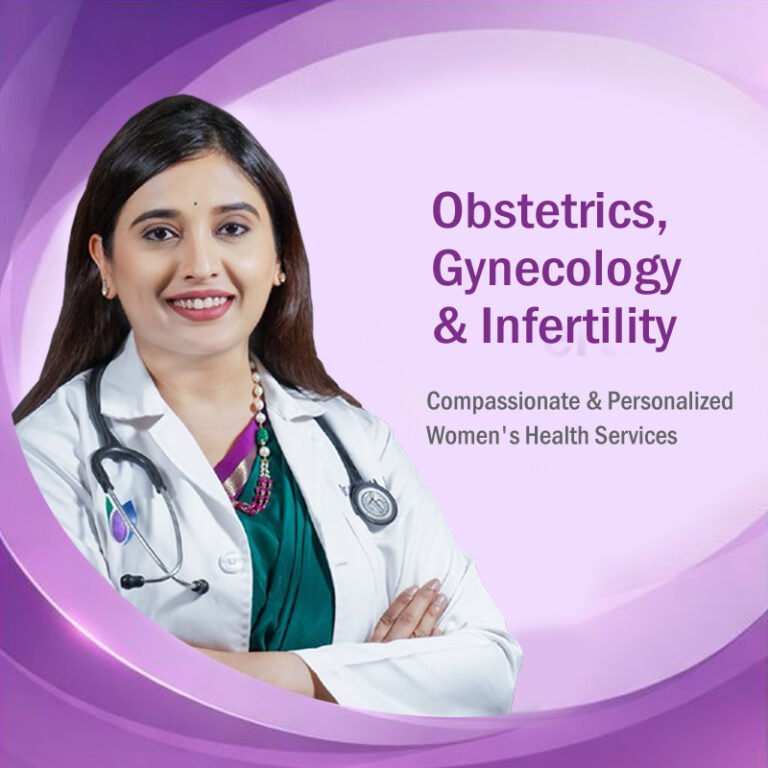
Meet Your Expert : Dr. Samiksha Jain
Dr. Samiksha Jain
Obstetrician, Gynecologist & Fertility Specialist
MBBS, MD (Obs/Gyn) Gold Medalist
Fellowship in Reproductive Medicine (Bangalore),
Fellowship in Minimal Access Surgery (Bangalore),
Advanced Diploma in Reproductive Medicine (Germany)
Dr. Samiksha Jain is a highly accomplished Obstetrician, Gynecologist, and Fertility Specialist known for her compassionate approach and excellence in women’s healthcare. A Gold Medalist in MD (Obstetrics & Gynecology), she combines academic brilliance with advanced clinical expertise to provide the highest standard of care to her patients. Dr. Samiksha Jain is an esteemed Gynecologist dedicated to empowering women through natural, comprehensive, and deeply personalized health protocols. With her profound expertise in high-risk obstetrics, maternal-fetal medicine, and advanced prenatal diagnostic coordination, she offers state-of-the-art clinical support for NT scan execution and interpretation, ensuring a safe, deeply reassuring, and beautifully joyful gestation journey for every mother.
Frequently Asked Questions (FAQs)
1. What is an NT scan, and why is it performed during pregnancy?
An NT scan is a specialized first-trimester ultrasound that measures the fluid-filled space behind the fetal neck, serving as an important screening marker for chromosomal variations and structural health.
2. At what exact gestational weeks should an NT scan be scheduled?
The scan must be performed strictly between eleven weeks and zero days and thirteen weeks and six days of gestation, when the crown-rump length measures between 45mm and 84mm.
3. Is an NT scan a definitive diagnostic test or a statistical screening test?
An NT scan is a non-invasive screening test that provides a statistical risk probability rather than an absolute diagnosis. Screen-positive results require further diagnostic confirmation.
4. What is a combined first-trimester screening test?
It is a comprehensive assessment that combines the ultrasound NT measurement with maternal blood biochemistry (PAPP-A and free beta-hCG) and maternal age to calculate precise risk probabilities.
5. Is the NT scan procedure painful or invasive for the mother?
No, the procedure is entirely non-invasive, safe, and painless, typically performed via transabdominal ultrasound (or transvaginal if needed for visualization clarity).
6. What happens if my NT scan indicates an increased statistical risk?
An increased risk result is followed by expert genetic counseling and advanced testing options, such as non-invasive prenatal testing (NIPT) or diagnostic procedures like Amniocentesis in Nagpur.
7. How does pre-conception care connect to healthy early pregnancy outcomes?
Engaging in proactive Pre Conception Counselling establishes a pristine physiological baseline, optimizing maternal health, nutrition, and metabolic preparedness before conception.
8. When should I book my initial prenatal and diagnostic scans in Nagpur?
You should schedule your consultations early in your pregnancy, allowing your obstetrician to integrate the NT scan seamlessly into your comprehensive Pregnancy Care roadmap.
Disclaimer: The comprehensive information provided in this extensive article is strictly for educational, informational, and awareness purposes only. It is not intended to be a substitute for professional medical advice, clinical diagnosis, or specialized therapeutic treatment. Always seek the direct, personalized advice of your physician or qualified healthcare provider regarding any medical condition, anatomical concerns, or prior to initiating any new dietary change, physical therapy, or surgical procedure.