PCOS Treatment in Nagpur: The journey toward optimal hormonal balance, metabolic health, and reproductive well-being represents one of the most vital aspects of a woman’s overall healthcare experience. While historical perspectives on menstrual irregularities and metabolic disruptions often viewed them as isolated, unpredictable symptoms, contemporary gynecological and endocrine science has unlocked deep insights into Polycystic Ovary Syndrome (PCOS)—a complex, multi-system hormonal condition affecting millions of women worldwide. At the very center of this progressive therapeutic landscape stands the expertise of a dedicated Infertility Treatment in Nagpur provider. In the vibrant, medically advanced city of Nagpur, elite healthcare infrastructure and specialized PCOS treatment clinics provide women with world-class diagnostic evaluations, targeted endocrine therapies, evidence-based lifestyle roadmaps, and deeply compassionate, individualized care. Whether you have established your early wellness baseline through structured preconception protocols like Pre Conception Counselling, sought specialized care for hormonal imbalances through dedicated PCOS Treatment, resolved structural uterine concerns such as Uterine polyps Treatment, managed early-trimester adjustments requiring Vaginal bleeding Treatment, prepared for future family-building milestones like an NT Scan in Nagpur or mid-trimester Anomaly Scan in Nagpur, reviewed late-stage biometric development via a Growth Scan in Nagpur, assessed vascular hemodynamics through Obstetric Doppler in Nagpur, sought genetic clarity via Amniocentesis in Nagpur, transitioned into specialized Pregnancy Care roadmaps, planned for high-risk surveillance under High Risk Pregnancy in Nagpur, or secured delivery suites backed by High Risk Delivery with ICU backup in Nagpur, understanding the true clinical scope of advanced PCOS management is essential for long-term health and emotional peace of mind. Societal misconceptions, generalized fears regarding chronic medication, or unfamiliarity with endocrine workflows can sometimes cause delay in seeking help. It is vital to recognize that modern gynecological science offers highly effective, personalized therapeutic pathways designed to restore regular menstrual cycles, optimize ovulation, resolve metabolic hurdles, and enhance overall quality of life. Finding an expert, empathetic Fertility Specialist and Gynecologist in Nagpur is the foundational step in receiving accurate diagnostic evaluations, targeted medical care, and lifelong metabolic guidance. To truly comprehend the profound scope of PCOS management, one must explore the underlying endocrine mechanisms, comprehensive diagnostic criteria, step-by-step treatment strategies, and holistic lifestyle interventions. Consequently, approaching PCOS care requires a multi-dimensional, deeply supportive framework that honors scientific excellence, uncompromising safety, and patient empowerment.
Understanding Polycystic Ovary Syndrome (PCOS) and Endocrine Pathophysiology
To effectively appreciate the clinical impact of specialized PCOS treatment, it is medically necessary to explore the fundamental biological mechanisms driving this condition. Polycystic Ovary Syndrome is not merely a disorder of the ovaries; it is a systemic metabolic and neuroendocrine dysfunction characterized by an imbalance of reproductive hormones, altered gonadotropin secretion, and hyperandrogenism (excess male hormones).
Under normal physiological conditions, the pituitary gland releases Luteinizing Hormone (LH) and Follicle-Stimulating Hormone (FSH) in a coordinated surge, promoting the maturation of a single dominant ovarian follicle that releases an egg during ovulation. In women with PCOS, an elevated LH-to-FSH ratio causes immature ovarian follicles to stall mid-development. These arrested follicles form tiny, fluid-filled sacs that cluster along the periphery of the ovary, generating the classic “string of pearls” appearance on pelvic ultrasound images.
The primary underlying drivers of PCOS pathophysiology encompass:
- Insulin Resistance and Hyperinsulinemia: Up to 70-80% of women with PCOS exhibit impaired insulin signaling, prompting the pancreas to overproduce insulin. Excess circulating insulin acts synergistically with LH to stimulate excessive ovarian androgen production.
- Hyperandrogenism: Elevated levels of circulating testosterone, free testosterone, and androstenedione interfere with normal follicular development, leading to chronic anovulation, facial hair growth (hirsutism), severe acne, and androgenic hair thinning.
- Chronic Low-Grade Inflammation: Subtle, systemic inflammatory cascades trigger enhanced androgen synthesis within ovarian theca cells, contributing to vascular, metabolic, and follicular dysfunction.
- Altered Ovarian Folliculogenesis: Follicular growth arrests at the antral stage, preventing regular rupture and release of mature eggs, which results in irregular or absent menstrual periods (oligomenorrhea or amenorrhea).
Recognizing PCOS as an interconnected metabolic and endocrine condition is essential for designing comprehensive, effective treatment roadmaps.
Signs, Symptoms, and Diagnostic Criteria (Rotterdam Guidelines)
PCOS presents with a wide spectrum of physical, metabolic, and emotional manifestations that vary significantly between individuals. To standardize clinical diagnosis globally, specialists in Nagpur utilize the internationally recognized **Rotterdam Diagnostic Criteria**.
According to the Rotterdam consensus, a definitive diagnosis of PCOS requires the presence of at least two of the following three core criteria (after ruling out other endocrine disorders such as thyroid disease or hyperprolactinemia):
- Oligovulation or Anovulation: Infrequent, delayed, or absent menstrual periods (typically fewer than nine menstrual cycles per calendar year).
- Clinical or Biochemical Hyperandrogenism: Physical manifestations such as facial and body hirsutism, cystic acne, or male-pattern hair loss; or laboratory confirmation of elevated circulating free/total testosterone levels.
- Polycystic Ovarian Morphology on Ultrasound: Visualization of 12 or more antral follicles (measuring 2-9 mm in diameter) per ovary, or an increased ovarian volume exceeding 10 cubic centimeters on transvaginal ultrasonography.
Common clinical symptoms experienced by patients include:
- Irregular, unpredictable, light, or heavy menstrual bleeding.
- Unexplained weight gain or difficulty losing weight, particularly abdominal adiposity.
- Acanthosis nigricans (darkened, velvety skin patches on the neck, armpits, or groin indicating insulin resistance).
- Mood fluctuations, anxiety, fatigue, and emotional distress stemming from physical and hormonal changes.
- Subfertility or difficulty conceiving due to infrequent or absent ovulation.
A precise diagnostic evaluation allows specialists to classify the specific PCOS phenotype and tailor treatment directly to the patient’s individual goals.
Comprehensive Diagnostic Evaluation for PCOS in Nagpur
Before formulating a treatment strategy, a comprehensive baseline evaluation is conducted to assess hormonal status, metabolic markers, and pelvic anatomy. Modern clinics in Nagpur utilize precise diagnostic technologies to ensure complete clarity.
The standard diagnostic evaluation suite includes:
- Complete Endocrine Panel: Measuring baseline serum levels of LH, FSH, Estradiol, Total and Free Testosterone, DHEAS, Androstenedione, and Sex Hormone-Binding Globulin (SHBG) on Day 2 or 3 of the cycle.
- Metabolic and Glucose Tolerance Assessment: Conducting Fasting Blood Glucose, Fasting Serum Insulin, HOMA-IR calculations, HbA1c testing, and a 2-hour Oral Glucose Tolerance Test (OGTT) to detect hidden insulin resistance.
- Lipid Profile and Cardiovascular Risk Screening: Evaluating total cholesterol, high-density lipoprotein (HDL), low-density lipoprotein (LDL), and triglycerides to establish a metabolic baseline.
- High-Resolution Transvaginal Ultrasound (TVUS): Assessing ovarian morphology, follicular count, ovarian volume, and endometrial thickness to rule out structural anomalies such as endometrial hyperplasia or uterine polyps.
- Differential Diagnosis Exclusion Testing: Checking Serum Prolactin, Thyroid-Stimulating Hormone (TSH), 17-Hydroxyprogesterone (to rule out late-onset Congenital Adrenal Hyperplasia), and Cortisol levels.
This meticulous diagnostic groundwork ensures that every therapeutic protocol addresses the root causes of systemic imbalance.
Step-by-Step Clinical Treatment Protocols for PCOS
PCOS management is highly personalized, focusing on the patient’s immediate health goals—whether regulating menstrual cycles, controlling hyperandrogenic skin symptoms, overcoming metabolic dysfunction, or achieving pregnancy.
The step-by-step therapeutic approach encompasses:
- Menstrual Cycle Regulation and Endometrial Protection:
For women not actively seeking pregnancy, cyclic progestin therapy or low-dose combined oral contraceptive pills (COCPs) containing anti-androgenic progestins are prescribed. This induces regular withdrawal bleeding, reduces androgen production, and protects the uterine lining against unopposed estrogen, preventing endometrial hyperplasia. - Insulin Sensitizing Therapies:
Metformin and specialized nutritional insulin sensitizers (such as Myo-inositol and D-chiro-inositol in a physiological 40:1 ratio) are utilized to improve peripheral insulin receptor sensitivity, decrease hepatic glucose output, lower circulating androgen levels, and support natural ovulatory restoration. - Management of Dermatological Symptoms:
To combat hirsutism and persistent acne, specialists combine hormonal regulation with targeted anti-androgen medications (such as Spironolactone or Cyproterone acetate) alongside dermatological interventions to restore clear skin and confidence. - Ovulation Induction for Fertility:
When conception is the primary objective, first-line oral ovulation-inducing agents such as **Letrozole** (an aromatase inhibitor) or **Clomiphene Citrate** are administered to stimulate dominant follicle maturation, monitored closely via serial ultrasound scanning. - Advanced ART and Surgical Options:
In cases resistant to oral medications, low-dose gonadotropin injections, Laparoscopic Ovarian Drilling (LOD), Intrauterine Insemination (IUI), or In Vitro Fertilization (IVF) offer exceptional success rates under expert care.
This structured, multi-step management framework ensures that every patient receives targeted, highly effective care at every stage of life.
PCOS and Infertility: Overcoming Ovulatory Dysfunction
One of the most concerning aspects of PCOS for many women is its impact on fertility. Because PCOS is the leading cause of anovulatory infertility, achieving pregnancy often requires specialized medical support. However, with modern reproductive science, the overwhelming majority of women with PCOS can successfully conceive and deliver healthy babies.
Follicular Monitoring and Ovulation Tracking:
Through serial transvaginal ultrasonography, fertility specialists track follicular growth in real time. Once a dominant follicle reaches 18 to 22 mm, a precise human Chorionic Gonadotropin (hCG) “trigger” injection can be administered to prompt predictable egg release, allowing couples to time intercourse or Intrauterine Insemination (IUI) with pinpoint precision.
Preventing Ovarian Hyperstimulation Syndrome (OHSS):
Women with polycystic ovaries naturally possess a high antral follicle count, making them more sensitive to fertility medications. Expert specialists in Nagpur utilize tailored, low-dose stimulation protocols and modern trigger strategies to maximize egg yield while completely safeguarding patient safety.
Combining precise medical management with expert fertility tracking transforms the dream of parenthood into a predictable, achievable reality.
Long-Term Health Care and Preventive Medical Management
Managing PCOS extends beyond controlling immediate symptoms; it requires a proactive long-term health strategy to protect against chronic metabolic and cardiovascular complications later in life.
Key long-term health priorities include:
- Preventing Type 2 Diabetes Mellitus: Because insulin resistance is a core feature of PCOS, regular screening allows early detection and management of pre-diabetes, preventing conversion to overt diabetes.
- Cardiovascular and Lipid Protection: Managing dyslipidemia and systemic inflammation reduces long-term risks of hypertension, arterial stiffness, and cardiovascular events.
- Endometrial Cancer Prevention: Prolonged periods without menstruation leave the endometrial lining exposed to continuous estrogen without the protective balancing effect of progesterone. Ensuring regular withdrawal bleeds completely eliminates the risk of endometrial cancer.
- Maintaining Psychological Well-Being: Providing ongoing psychological support and stress-reduction strategies addresses the anxiety, body-image concerns, and mood disorders often linked with chronic hormonal imbalances.
Prioritizing continuous preventive care empowers women to live vibrant, healthy lives across every decade.
Lifestyle Modifications, Dietary Excellence, and Holistic Wellness
Lifestyle intervention serves as the foundational pillar of modern PCOS management. In fact, evidence demonstrates that a modest weight reduction of just five to ten percent of total body weight can restore regular spontaneous ovulation and dramatically improve metabolic markers.
Nutrient-Dense, Low-Glycemic Index (GI) Nutrition: Emphasizing complex carbohydrates, high-fiber vegetables, lean proteins, healthy fats (such as extra virgin olive oil, nuts, and seeds), and anti-inflammatory whole foods prevents rapid blood sugar spikes, dampens insulin secretion, and supports metabolic harmony.
Targeted Exercise and Physical Activity: Combining progressive resistance strength training with moderate aerobic cardiovascular exercise enhances muscle glucose uptake independent of insulin, boosts basal metabolic rate, and reduces circulating androgen levels.
Stress Reduction and Circadian Alignment: Chronic psychological stress elevates cortisol levels, which exacerbates insulin resistance and hormonal imbalance. Incorporating mindfulness, prioritizing 7 to 8 hours of restorative sleep, and minimizing exposure to endocrine-disrupting chemicals (such as BPA and phthalates) foster an environment where the body can heal and thrive.
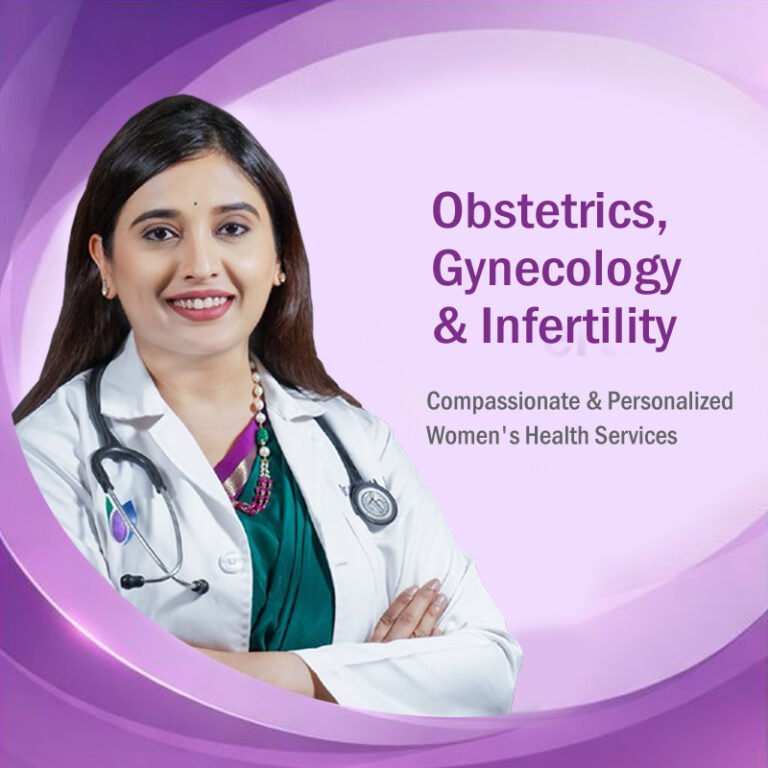
Meet Your Expert : Dr. Samiksha Jain
Dr. Samiksha Jain
Obstetrician, Gynecologist & Fertility Specialist
MBBS, MD (Obs/Gyn) Gold Medalist
Fellowship in Reproductive Medicine (Bangalore),
Fellowship in Minimal Access Surgery (Bangalore),
Advanced Diploma in Reproductive Medicine (Germany)
Dr. Samiksha Jain is a highly accomplished Obstetrician, Gynecologist, and Fertility Specialist known for her compassionate approach and excellence in women’s and reproductive healthcare. A Gold Medalist in MD (Obstetrics & Gynecology), she combines academic brilliance with advanced clinical expertise to provide the highest standard of care to her patients. Dr. Samiksha Jain is an esteemed Fertility Specialist dedicated to empowering women through evidence-based, holistic, and advanced endocrine protocols. With her profound expertise in Polycystic Ovary Syndrome (PCOS) management, ovulation induction, metabolic restoration, assisted reproduction (IVF/ICSI), and high-risk pregnancy care, she offers state-of-the-art clinical support, ensuring a safe, deeply reassuring, and empowering healthcare journey for every patient.
Frequently Asked Questions (FAQs)
1. What is PCOS, and how does it affect a woman’s body?
PCOS (Polycystic Ovary Syndrome) is a common hormonal and metabolic condition characterized by elevated male hormones, irregular menstrual cycles, and multiple small immature follicles on the ovaries.
2. Can a woman with PCOS still get pregnant?
Yes. While PCOS is a leading cause of anovulatory infertility, targeted treatments like ovulation induction with Letrozole, lifestyle adjustments, or assisted reproductive technology allow the vast majority of women with PCOS to achieve healthy pregnancies.
3. Is PCOS permanently curable?
PCOS is a chronic metabolic condition that cannot be completely cured, but its symptoms, hormonal balances, and fertility outcomes can be effectively managed and controlled through medical care and lifestyle changes.
4. Why is insulin resistance so common in PCOS?
Insulin resistance occurs when body cells do not respond effectively to insulin, causing the pancreas to produce extra insulin. Excess insulin triggers the ovaries to release surplus testosterone, compounding PCOS symptoms.
5. What is the difference between PCOD and PCOS?
PCOD (Polycystic Ovarian Disease) is typically an anatomical condition where ovaries produce immature eggs. PCOS (Polycystic Ovary Syndrome) is a broader metabolic and endocrine disorder with systemic impacts on health.
6. How does pre-conception counseling help women with PCOS?
Engaging in proactive Pre Conception Counselling allows specialists to optimize glucose levels, establish regular ovulation, and prepare the body for a smooth pregnancy before conception.
7. What lifestyle changes help manage PCOS most effectively?
Adopting a low-glycemic anti-inflammatory diet, engaging in regular resistance and aerobic exercise, prioritizing quality sleep, and managing stress are the most impactful lifestyle steps for PCOS.
8. Where can I access expert PCOS treatment and comprehensive fertility care in Nagpur?
You can schedule your comprehensive gynecological and endocrine consultations in Nagpur, allowing expert specialists to guide you seamlessly through your personalized care and Pregnancy Care roadmaps.
Disclaimer: The comprehensive information provided in this extensive article is strictly for educational, informational, and awareness purposes only. It is not intended to be a substitute for professional medical advice, clinical diagnosis, or specialized therapeutic treatment. Always seek the direct, personalized advice of your physician or qualified healthcare provider regarding any medical condition, anatomical concerns, or prior to initiating any new dietary change, physical therapy, or surgical procedure.