
Pregnancy Care in Nagpur: The journey of pregnancy is one of the most profound, transformative, and emotionally stirring experiences in a woman’s life. Spanning forty weeks of extraordinary physiological changes, gestation requires a harmonious symphony of hormonal coordination, physical endurance, and attentive nurturing across every organ system. In the vibrant and rapidly developing city of Nagpur, advanced maternal-fetal healthcare infrastructure provides expectant mothers with exceptional medical guidance, ensuring that every stage of gestation is monitored with precision, warmth, and deep clinical excellence. Whether you are transitioning smoothly from early planning protocols like Pre Conception Counselling, managing delicate early-trimester adjustments that occasionally require specialized Vaginal bleeding Treatment, or establishing a comprehensive wellness routine to safeguard your long-term urogenital health against conditions like Stress incontinence Treatment or Uterine prolapse Treatment, understanding the core principles of holistic pregnancy care is essential. Cultural myths, unverified advice, and the anxiety of the unknown can sometimes overshadow this beautiful chapter. It is vital to recognize that modern obstetrics prioritizes natural physiological support, advanced diagnostic monitoring, and individualized lifestyle design above all else, ensuring that maternal and fetal well-being are protected without relying on chemical or pharmaceutical drug interventions. Finding an expert, empathetic Gynecologist in Nagpur is the foundational step in receiving comprehensive prenatal support, accurate clinical tracking, and personalized guidance tailored to your unique anatomical and metabolic profile. To truly appreciate modern prenatal health management, one must explore the distinct developmental milestones of each trimester, the power of wholesome nutrition, the importance of physical conditioning, and the emotional sanctuaries that foster a peaceful gestation. Consequently, navigating pregnancy care requires a multi-dimensional, deeply supportive approach that prioritizes natural vitality, evidence-based clinical observation, and holistic physical restoration.
Understanding the Philosophy of Comprehensive Pregnancy Care
To effectively approach Pregnancy Care, it is medically necessary to understand that gestation is a natural physiological state rather than an illness. Comprehensive prenatal care is designed to monitor this natural evolution, providing a safety net of high-resolution diagnostics, nutritional guidance, and physical conditioning that empowers expectant mothers to thrive.
The primary pillars of comprehensive pregnancy care encompass:
- Regular Clinical Monitoring: Periodic physical evaluations, maternal weight tracking, blood pressure monitoring, and serial ultrasound assessments to track fetal growth velocity and amniotic fluid volume.
- Nutritional and Metabolic Support: Cultivating robust maternal health through wholesome, nutrient-dense whole foods and proper hydration to support expanding blood volume and fetal tissue development.
- Physical and Pelvic Conditioning: Engaging in safe prenatal movement, postural awareness, and pelvic floor exercises to maintain muscular strength and alleviate common gestational discomforts.
- Emotional and Psychological Wellness: Fostering a serene mental state through stress-reduction techniques, supportive counseling, and open communication with your healthcare team.
Understanding these pillars ensures that expectant mothers view prenatal visits not as clinical chores, but as empowering check-ins that celebrate the growth and health of their developing baby.
Trimester-by-Trimester Progression and Clinical Focus
A successful pregnancy unfolds across three distinct trimesters, each characterized by unique developmental milestones for the fetus and distinct physiological adaptations for the mother.
The First Trimester (Weeks 1 to 13):
The foundation phase. This period involves rapid cellular division, organogenesis (the formation of major organ systems in the embryo), and profound hormonal shifts. Expectant mothers often experience fatigue and nausea as progesterone levels rise. Clinical focus during this window includes confirming intrauterine pregnancy via high-resolution ultrasonography, evaluating baseline metabolic markers, and establishing a baseline for smooth gestational progression. Women with underlying endocrine variations—such as those managed under structured PCOS Treatment—receive specialized attention during these early weeks to ensure optimal hormonal stability.
The Second Trimester (Weeks 14 to 27):
Often referred to as the golden trimester, maternal energy typically rebounds as early fatigue subsides. The fetus grows rapidly, developing distinct facial features, active limb movements, and audible heart sounds. Clinical focus centers on the detailed anomaly scan (targeted imaging to verify structural development), monitoring cervical length to ensure robust structural support, and tracking steady maternal weight gain and blood pressure trajectories.
The Third Trimester (Weeks 28 to 40+):
The final stretch of preparation for childbirth. The fetus gains significant weight, stores vital nutrients, and settles into a head-down presentation in the pelvis. Clinical focus intensifies with more frequent monitoring visits, assessing fetal positioning, evaluating amniotic fluid dynamics, and refining the birth plan. Ensuring that the pelvis remains resilient and free from abnormal tissue obstructions—such as conditions evaluated during Uterine polyps Treatment evaluations prior to gestation—guarantees a smooth pathway toward delivery.
Nutritional Excellence and Whole Food Support
The quality of food consumed during pregnancy directly dictates the cellular building blocks available for fetal growth and maternal tissue maintenance. Modern prenatal care emphasizes a whole-food, plant-forward nutritional paradigm that nourishes the body naturally.
Vibrant Plant Foods and Antioxidants: Incorporating an abundant variety of deeply colored vegetables, leafy greens, berries, and antioxidant-rich fruits provides essential enzymes, fiber, and natural micronutrients that support immune resilience and cellular repair.
Clean Lean Proteins and Healthy Fats: High-quality protein sources—such as legumes, lentils, seeds, nuts, and clean dairy or poultry options—provide the amino acids necessary for placental and fetal tissue growth. Essential fatty acids from walnuts, flaxseeds, and cold-pressed oils support optimal brain and neural development in the fetus.
Hydration and Fluid Balance: Maintaining optimal daily water intake is paramount for supporting expanded maternal blood volume, amniotic fluid regeneration, and efficient metabolic waste elimination. Emphasizing pure water, fresh coconut water, and herbal infusions ensures deep, natural cellular hydration.
Physical Activity, Pelvic Conditioning, and Rest
Maintaining an active, balanced lifestyle during pregnancy enhances physical stamina, improves circulation, and prepares the body for the immense physical demands of labor and childbirth.
Safe Prenatal Movement and Yoga: Gentle prenatal stretching, tailored yoga postures, and controlled breathing exercises help alleviate lower back tension, improve spinal alignment, and enhance flexibility in the pelvic joints.
Pelvic Floor Awareness: Strengthening and relaxing the pelvic floor muscles through guided awareness exercises ensures that supportive tissues can manage increasing gestational weight loads. Maintaining this muscular harmony prevents future structural descents or postpartum issues such as Stress incontinence Treatment requirements.
Rest and Postural Hygiene: Honoring the body’s increased need for sleep is vital. Utilizing supportive pillows to maintain neutral spinal alignment during sleep, avoiding prolonged standing, and incorporating daily moments of quiet relaxation regulate maternal cortisol levels and foster physical restoration.
Emotional Harmony, Stress Reduction, and Mental Sanctuary
The emotional landscape of pregnancy is deeply intertwined with physical health. Cultivating a calm, positive mental sanctuary supports the nervous system and fosters a deeply reassuring environment for the developing child.
Mindfulness and Restorative Breathing: Practicing daily breathwork, meditation, and quiet visualization helps quiet the mind, release physical muscle tension, and build emotional resilience against common prenatal anxieties.
Partner and Community Support: Engaging in open, honest communication with your partner regarding the emotional journey of parenthood strengthens your bond. Creating a supportive circle of family, friends, and empathetic healthcare professionals ensures that expectant mothers feel nurtured, understood, and deeply valued at every step of the way.
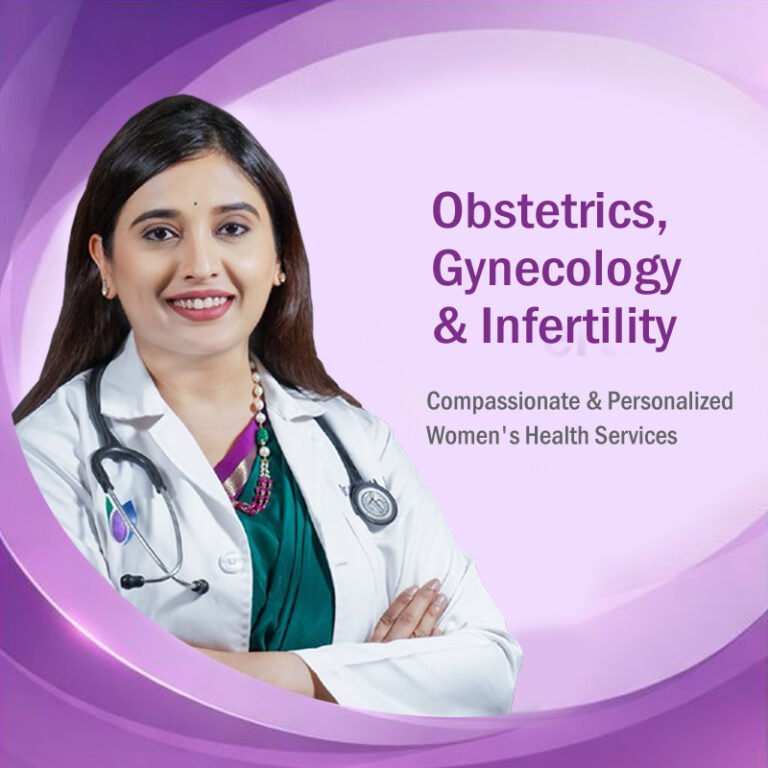
Meet Your Expert : Dr. Samiksha Jain
Dr. Samiksha Jain
Obstetrician, Gynecologist & Fertility Specialist
MBBS, MD (Obs/Gyn) Gold Medalist
Fellowship in Reproductive Medicine (Bangalore),
Fellowship in Minimal Access Surgery (Bangalore),
Advanced Diploma in Reproductive Medicine (Germany)
Dr. Samiksha Jain is a highly accomplished Obstetrician, Gynecologist, and Fertility Specialist known for her compassionate approach and excellence in women’s healthcare. A Gold Medalist in MD (Obstetrics & Gynecology), she combines academic brilliance with advanced clinical expertise to provide the highest standard of care to her patients. Dr. Samiksha Jain is an esteemed Gynecologist dedicated to empowering women through natural, comprehensive, and deeply personalized health protocols. With her profound expertise in high-risk obstetrics, maternal-fetal medicine, and holistic pregnancy care, she offers state-of-the-art clinical support, ensuring a safe, deeply reassuring, and beautifully joyful gestation journey for every mother.
Frequently Asked Questions (FAQs)
1. What is comprehensive pregnancy care, and why is it important?
Comprehensive pregnancy care encompasses regular clinical monitoring, nutritional guidance, physical conditioning, and emotional support designed to safeguard maternal and fetal health throughout gestation.
2. How often should I schedule prenatal check-ups during my pregnancy?
Typically, check-ups are scheduled monthly during the first and second trimesters, increasing to bi-weekly and then weekly visits as you approach your due date to ensure continuous monitoring.
3. What role does nutrition play in natural pregnancy care?
Wholesome, nutrient-dense whole foods provide the essential micronutrients, proteins, and healthy fats required for fetal organ development, placental growth, and maternal blood volume expansion.
4. Can I continue exercising safely throughout my pregnancy?
Yes, gentle prenatal yoga, walking, and pelvic floor conditioning are generally safe and beneficial, provided they are practiced with guidance and tailored to your specific gestational stage.
5. How does early pre-conception planning connect to pregnancy care?
Engaging in Pre Conception Counselling establishes a pristine physiological baseline, ensuring your body is optimally prepared before gestation even begins.
6. What should I do if I experience unexpected spotting or bleeding while pregnant?
You should contact your obstetrician immediately for a professional evaluation, utilizing specialized services like Vaginal bleeding Treatment oversight to rule out complications.
7. How can I prepare my body for a smooth and natural childbirth?
Maintaining balanced nutrition, practicing breathing exercises, staying active, and engaging in pelvic floor conditioning all prepare your body physically and mentally for labor.
8. When should I book my initial prenatal consultation in Nagpur?
You should schedule your initial consultation as soon as you confirm your pregnancy, allowing your gynecologist to establish a personalized, supportive care roadmap from day one.
Disclaimer: The comprehensive information provided in this extensive article is strictly for educational, informational, and awareness purposes only. It is not intended to be a substitute for professional medical advice, clinical diagnosis, or specialized therapeutic treatment. Always seek the direct, personalized advice of your physician or qualified healthcare provider regarding any medical condition, anatomical concerns, or prior to initiating any new dietary change, physical therapy, or surgical procedure.