Vaginal bleeding Treatment in Nagpur: The female reproductive system operates through a remarkably intricate, cyclical rhythm of hormonal signals, cellular proliferation, and controlled shedding. Throughout a woman’s life, from adolescence through the reproductive years and into the profound transition of menopause, understanding this rhythm is vital for overall health and well-being. However, when the delicate balance of this system is disrupted by structural anomalies, hormonal fluctuations, or underlying clinical conditions, women may experience abnormal vaginal bleeding. In the bustling, fast-paced city of Nagpur, lifestyle stresses, environmental factors, nutritional shifts, and modern pressures frequently contribute to menstrual irregularities and unexpected spotting. Whether you are navigating unusually heavy flows, spotting between cycles, experiencing bleeding after menopause, or dealing with urgent concerns that require specialized Bleeding during pregnancy Treatment oversight, recognizing the critical importance of timely medical evaluation is the first step toward lasting health. Cultural taboos and the unfortunate normalization of abnormal menstrual pain or heavy bleeding often cause women to suffer in silence, delaying vital diagnoses and increasing the risk of secondary complications such as chronic anemia and severe fatigue. It is essential to understand that abnormal vaginal bleeding is not merely a passing inconvenience; it is an important physical signal from your body indicating that underlying anatomical or physiological factors require professional attention. Finding an expert, empathetic Gynecologist in Nagpur is the foundational phase in receiving a precise clinical diagnosis, safe evaluation protocols, and expert guidance tailored to your unique health profile. To truly comprehend the scope of vaginal bleeding care, one must explore the physiological mechanisms of the endometrium—the specialized mucosal lining of the uterus that prepares each month for potential implantation and sheds when pregnancy does not occur. When structural growths, endocrine disruptions, or localized cellular changes interfere with this orderly process, bleeding patterns become erratic, heavy, or prolonged. Consequently, addressing vaginal bleeding requires a multi-dimensional, deeply compassionate approach that prioritizes safe diagnostic imaging, structural correction, and comprehensive physical restoration without relying on chemical or pharmaceutical drug interventions.
Understanding Abnormal Uterine Bleeding: Classifications and Patterns
To effectively approach Vaginal bleeding Treatment, it is medically necessary to understand the standardized terminology and classifications used by modern gynecologists to categorize abnormal uterine bleeding (AUB). A normal menstrual cycle typically ranges from 24 to 38 days, lasts between 4 to 8 days, and involves a total blood loss of approximately 30 to 80 milliliters. When a woman’s bleeding pattern deviates significantly from these parameters, it is classified under abnormal uterine bleeding.
The primary clinical patterns of abnormal bleeding include:
- Heavy Menstrual Bleeding (Menorrhagia): Periods that involve excessive blood loss soaking through one or more sanitary pads or tampons every hour for consecutive hours, lasting longer than seven days, or containing large blood clots.
- Intermenstrual Bleeding (Spotting): Random bleeding or light brown spotting occurring entirely outside of the scheduled menstrual window, which may be linked to underlying issues such as those requiring specialized Uterine polyps Treatment.
- Polymenorrhea: Menstrual cycles that occur too frequently, with intervals shorter than 24 days between cycles.
- Prolonged Menstrual Bleeding: Bleeding that occurs at normal regular intervals but exceeds the normal duration in terms of days.
- Postmenopausal Bleeding: Any unexpected vaginal bleeding or spotting occurring after a woman has officially reached menopause (defined as twelve consecutive months without a natural menstrual period). Postmenopausal bleeding is an absolute red flag demanding immediate clinical investigation.
Understanding these distinct patterns helps the gynecologist narrow down the potential root causes, distinguishing between structural abnormalities within the uterine cavity and systemic hormonal dysfunctions.
Identifying Symptoms, Warning Signs, and Clinical Triggers
Recognizing the early warning signs of abnormal vaginal bleeding is vital for ensuring timely medical evaluation and preventing severe physical complications. While minor cycle variations can occasionally occur due to acute stress or temporary lifestyle shifts, certain symptoms serve as urgent indicators that require professional gynecological care.
The primary symptoms and warning signs associated with abnormal vaginal bleeding include:
- Severe Blood Loss: Soaking through multiple heavy-protection sanitary pads or tampons within a single hour for two or more consecutive hours.
- Large Tissue Clots: The frequent passage of menstrual blood clots larger than a coin size.
- Systemic Anemia Symptoms: Chronic fatigue, profound weakness, pale skin, shortness of breath, and frequent dizziness caused by continuous iron depletion from heavy blood loss.
- Severe Pelvic Discomfort: Intense cramping and lower abdominal pain that severely disrupt daily life, often mirroring symptoms managed during specialized Menstrual cramps Treatment protocols.
- Bleeding After Intimate Intercourse: Postcoital spotting or bleeding, which can indicate cervical inflammation, polyps, or other localized tissue changes.
When these physical warnings arise, ignoring them can lead to compounding health issues. Women experiencing menstrual irregularities are also frequently navigating related endocrine challenges, making comprehensive evaluations similar to structured PCOS Treatment pathways highly beneficial for long-term hormonal balance.
Root Causes and Structural Pathologies of Abnormal Bleeding
The underlying triggers of abnormal vaginal bleeding are diverse, encompassing both structural anatomical abnormalities within the pelvis and non-structural systemic conditions. Clinical consensus categorizes these causes to help physicians design targeted, effective treatment strategies.
Uterine Polyps and Fibroids: Benign growths are among the most frequent structural causes of abnormal bleeding. Uterine polyps (overgrowths of endometrial tissue) and uterine fibroids (benign muscular tumors of the uterine wall) increase the total surface area of the endometrium and interfere with the uterus’s ability to contract effectively during menstruation, resulting in prolonged and heavy bleeding.
Adenomyosis: This condition occurs when the inner endometrial tissue breaks through and grows deep into the muscular outer wall of the myometrium, causing an enlarged uterus, severe painful cramps, and heavy, prolonged menstrual bleeding.
Endocrine and Ovulatory Dysfunctions: Hormonal imbalances that prevent normal ovulation (anovulation) leave the endometrial lining exposed to continuous estrogen stimulation without the stabilizing influence of progesterone. When the lining eventually sheds, it does so irregularly, unpredictably, and often heavily.
Urogenital Atrophy and Menopausal Changes: As women transition through perimenopause and postmenopause, plummeting estrogen levels cause the vaginal and endometrial tissues to thin and become fragile, making them highly susceptible to microscopic tearing and unexpected spotting—challenges that frequently require specialized Vaginal atrophy Treatment protocols.
Pelvic Floor Structural Weakness: Advanced pelvic organ descents, such as those managed under comprehensive Uterine prolapse Treatment plans, can occasionally cause localized tissue congestion and irregular bleeding patterns.
Comprehensive Diagnostics: Unveiling the Source of Bleeding
When a patient presents with abnormal vaginal bleeding, a meticulous, highly sensitive diagnostic workflow is initiated by an expert gynecologist to pinpoint the exact anatomical and physiological source of the issue.
The comprehensive diagnostic protocol typically encompasses:
- Detailed Medical and Gynecological History: A thorough review of the patient’s menstrual history, cycle lengths, bleeding duration, obstetric background, and lifestyle factors.
- Comprehensive Pelvic Examination: A gentle physical and bimanual pelvic examination to inspect the external genitalia, visualize the cervix using a speculum, and evaluate uterine size, shape, and tenderness.
- Transvaginal Ultrasonography (TVS): The gold-standard primary imaging tool. A slender ultrasound probe provides crystal-clear images of the uterine cavity, measuring endometrial thickness and identifying structural lesions such as polyps, fibroids, or adenomyosis.
- Saline Infusion Sonohysterography (SIS): An advanced imaging technique where sterile saline solution is gently introduced into the uterine cavity during an ultrasound scan, outlining polyps and submucosal fibroids with exceptional precision.
- Diagnostic Hysteroscopy: A minor, highly accurate procedure where a tiny, lighted telescope is guided through the cervix to allow the gynecologist to directly inspect the inner lining of the uterus in real time.
- Endometrial Biopsy: Collecting a small tissue sample from the uterine lining for microscopic laboratory analysis to definitively rule out cellular atypia or malignancy, ensuring complete diagnostic safety.
This rigorous diagnostic foundation ensures that every management plan is directly tailored to the patient’s specific physiological findings.
Non-Surgical Management and Holistic Wellness Support
When abnormal vaginal bleeding is diagnosed as non-structural, mild, or functionally related to hormonal imbalances, non-surgical management and holistic physiological support form the primary line of care.
Expectant Management and Clinical Monitoring: For minor cycle irregularities or perimenopausal fluctuations without structural pathology, close clinical monitoring through regular follow-up appointments and ultrasound scans allows the gynecologist to track changes safely over time.
Holistic and Nutritional Restoration: Chronic heavy bleeding frequently depletes the body’s iron stores, leading to iron-deficiency fatigue. Emphasizing iron-dense whole foods, vitamin C to enhance iron absorption, dark leafy greens, and lean proteins is critical for physical recovery. Furthermore, integrating daily stress-reduction practices—such as restorative yoga, mindfulness meditation, and deep diaphragmatic breathing—helps regulate the hypothalamic-pituitary-ovarian axis, lowering cortisol levels that otherwise exacerbate endocrine and menstrual irregularities. Maintaining an active lifestyle and healthy weight through consistent physical movement also supports overall metabolic and reproductive vitality.
Advanced Minimally Invasive Surgical Interventions
When abnormal vaginal bleeding is driven by structural abnormalities—such as large uterine polyps, submucosal fibroids, or persistent, treatment-resistant endometrial thickening—surgical intervention becomes necessary to achieve definitive anatomical correction and restore normal menstrual function. Modern gynecological surgery emphasizes advanced, minimally invasive techniques that completely eradicate the pathology while preserving the structural integrity and future function of the uterus.
Hysteroscopic Polypectomy and Myomectomy: Performed as outpatient procedures under brief anesthesia, these techniques utilize advanced hysteroscopic instruments inserted naturally through the cervix. The gynecologist can precisely excise or vaporize polyps and remove submucosal fibroids directly from the uterine wall without making a single external abdominal incision.
Endometrial Ablation: For women who have completed their childbearing years and suffer from chronic heavy menstrual bleeding that has not responded to other conservative measures, endometrial ablation offers a wonderful, minimally invasive solution. This procedure involves gently treating the lining of the uterus to permanently reduce or stop menstrual flow, providing immense relief and improving quality of life.
Following any minimally invasive surgical procedure, strict adherence to post-operative recovery guidelines—such as avoiding heavy lifting, strenuous physical exercise, and vaginal intercourse for a mandatory short healing window—is critical to ensure the internal tissues heal securely and uneventfully.
Implications for Fertility, Pregnancy, and Comprehensive Care
The presence of abnormal vaginal bleeding can have profound implications for a woman’s reproductive journey. Structural impediments within the uterine cavity can act as physical barriers that disrupt normal embryo implantation, leading to conception challenges.
For couples navigating fertility goals who require advanced reproductive support—whether through specialized Infertility Treatment clinics, targeted guidance, or comprehensive wellness protocols—ensuring a pristine, healthy uterine environment free of bleeding irregularities is an absolute prerequisite for success.
Furthermore, women who achieve pregnancy after resolving structural uterine issues require elite, hyper-vigilant monitoring. Initiating structured Pre Conception Counselling and maintaining rigorous, continuous Pregnancy Care safeguards against complications, ensuring every stage of gestation is managed with the highest standard of clinical excellence.
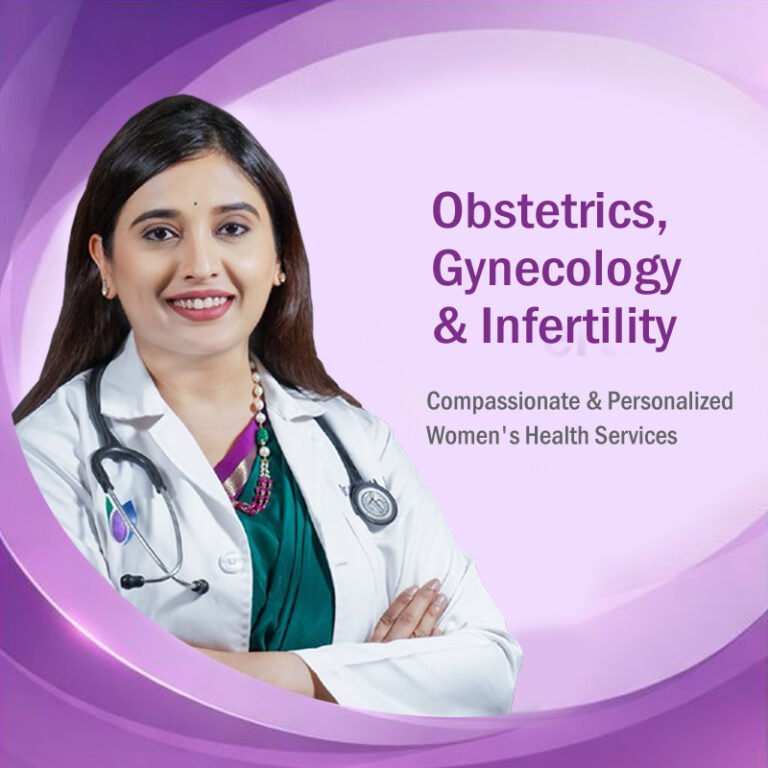
Meet Your Expert : Dr. Samiksha Jain
Dr. Samiksha Jain
Obstetrician, Gynecologist & Fertility Specialist
MBBS, MD (Obs/Gyn) Gold Medalist
Fellowship in Reproductive Medicine (Bangalore),
Fellowship in Minimal Access Surgery (Bangalore),
Advanced Diploma in Reproductive Medicine (Germany)
Dr. Samiksha Jain is a highly accomplished Obstetrician, Gynecologist, and Fertility Specialist known for her compassionate approach and excellence in women’s healthcare. A Gold Medalist in MD (Obstetrics & Gynecology), she combines academic brilliance with advanced clinical expertise to provide the highest standard of care to her patients. Dr. Samiksha Jain is an esteemed Gynecologist dedicated to empowering women through natural, comprehensive, and deeply personalized health protocols. With her profound expertise in minimal access surgery and complex menstrual disorders, she offers state-of-the-art diagnostic and therapeutic solutions for abnormal vaginal bleeding, restoring comfort, health, and quality of life.
Frequently Asked Questions (FAQs)
1. What is considered abnormal vaginal bleeding?
Abnormal vaginal bleeding includes any bleeding that occurs between regular menstrual periods, periods that last longer than seven days, heavy flows that soak through multiple sanitary pads every hour, bleeding after intercourse, or any unexpected bleeding after menopause.
2. What are the most common structural causes of heavy menstrual bleeding?
The most frequent structural causes include benign uterine polyps, uterine fibroids (leiomyomas), adenomyosis, and localized endometrial overgrowths that disrupt the normal contractility and shedding of the uterine lining.
3. Why is postmenopausal vaginal bleeding considered an emergency?
Any bleeding or spotting occurring after menopause has officially been established must be investigated immediately because the postmenopausal endometrium should be thin and inactive; unexpected bleeding can sometimes signal pre-cancerous cellular changes or malignancy.
4. How is the underlying cause of abnormal vaginal bleeding diagnosed?
Diagnostics typically begin with a thorough clinical history and pelvic exam, followed by high-resolution transvaginal ultrasound imaging, saline infusion sonohysterography, diagnostic hysteroscopy, and endometrial tissue biopsy when necessary.
5. Can lifestyle factors and stress cause irregular vaginal bleeding?
Yes. Severe physical stress, sudden weight fluctuations, chronic psychological stress, and intense physical training can impact the hypothalamus and pituitary glands, causing hormonal imbalances that lead to ovulatory dysfunction and irregular cycles.
6. What minimally invasive surgical options exist for treating abnormal bleeding?
Advanced minimally invasive options include hysteroscopic polypectomy and myomectomy to remove structural growths, as well as endometrial ablation procedures designed to permanently reduce or stop heavy menstrual flows in women who have completed childbearing.
7. Can abnormal vaginal bleeding interfere with my ability to get pregnant?
Yes. Structural anomalies within the uterine cavity—such as polyps or fibroids causing abnormal bleeding—can also create a hostile or obstructed environment that prevents normal embryo implantation, impacting natural fertility.
8. When should I schedule an immediate professional gynecological consultation?
You should schedule an evaluation right away if you experience bleeding heavy enough to soak through large pads hourly for consecutive hours, severe pelvic pain, dizziness, postcoital bleeding, or any unexpected spotting after reaching menopause.
Disclaimer: The comprehensive information provided in this extensive article is strictly for educational, informational, and awareness purposes only. It is not intended to be a substitute for professional medical advice, clinical diagnosis, or specialized therapeutic treatment. Always seek the direct, personalized advice of your physician or qualified healthcare provider regarding any medical condition, anatomical concerns, or prior to initiating any new dietary change, physical therapy, or surgical procedure.