

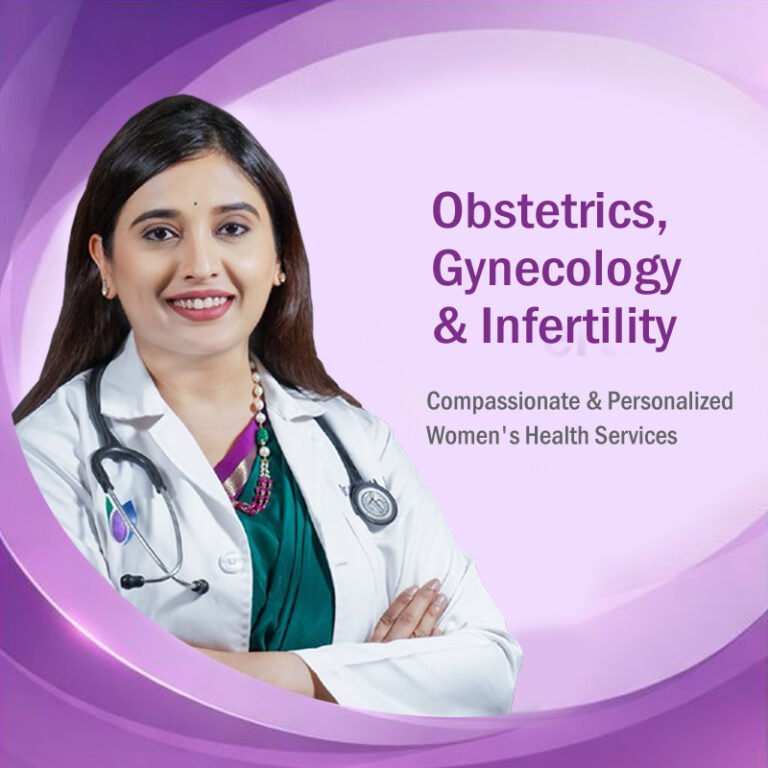
Meet Your Doctor: Dr. Samiksha Jain
Dr. Samiksha Jain is a highly experienced Obstetrician, Gynecologist, and Fertility Specialist committed to providing comprehensive reproductive healthcare through evidence-based medicine and advanced fertility preservation techniques. She completed her MBBS followed by MD (Obstetrics & Gynecology) as a Gold Medalist and further specialized through Fellowship in Reproductive Medicine (Bangalore), Fellowship in Minimal Access Surgery (Bangalore), and an Advanced Diploma in Reproductive Medicine (Germany).
Her expertise includes fertility evaluation, egg freezing, sperm freezing, IVF (In Vitro Fertilization), ICSI (Intracytoplasmic Sperm Injection), IUI (Intrauterine Insemination), minimally invasive gynecological surgery, and comprehensive pregnancy care. Dr. Samiksha Jain believes that every patient deserves individualized counseling regarding fertility preservation so they can make informed decisions about their future reproductive health.
What Is Egg and Sperm Freezing?
Egg freezing and sperm freezing are fertility preservation techniques in which healthy reproductive cells are collected, carefully processed, and stored at extremely low temperatures using advanced cryopreservation technology. These frozen reproductive cells remain preserved until the individual decides to use them for future fertility treatment.
Egg freezing involves collecting mature eggs from the woman’s ovaries following controlled ovarian stimulation. After retrieval, the mature eggs are rapidly frozen using specialized laboratory techniques that help protect their quality during long-term storage. Sperm freezing, on the other hand, involves collecting a semen sample, processing it in the laboratory, and preserving healthy sperm for future reproductive use.
When pregnancy is desired in the future, the frozen eggs or sperm are thawed under carefully controlled laboratory conditions and used in assisted reproductive procedures such as IVF or ICSI, depending on the individual clinical situation.
Who Should Consider Egg Freezing?
Egg freezing is recommended for women who wish to preserve their fertility before natural age-related decline or before medical treatments that may reduce ovarian function. Although not every woman requires fertility preservation, early counseling allows informed decision-making while reproductive potential remains favorable.
Women who may consider egg freezing include:
- Women planning delayed motherhood
- Women pursuing higher education or career goals
- Women not yet ready for pregnancy
- Patients undergoing chemotherapy or radiation therapy
- Women with reduced ovarian reserve who wish to preserve remaining fertility
- Patients with certain genetic or medical conditions affecting fertility
- Women undergoing ovarian surgery
- Individuals planning fertility preservation before advanced reproductive treatment
The decision to freeze eggs should always follow comprehensive fertility evaluation and individualized counseling regarding age, ovarian reserve, reproductive goals, and future family planning.
Who Should Consider Sperm Freezing?
Sperm freezing is an effective fertility preservation option for men who wish to safeguard their reproductive potential before medical treatment, surgery, or other circumstances that may affect sperm production. It is also valuable for men who may not be available to provide a semen sample at the time fertility treatment is planned.
Sperm freezing may be recommended for:
- Men undergoing chemotherapy or radiation therapy
- Patients scheduled for reproductive surgery
- Men with declining sperm quality
- Individuals working in high-risk occupations
- Men planning future fertility treatment
- Before certain medical procedures affecting reproductive function
- Couples planning IVF or ICSI treatment
Comprehensive Male & Female Fertility Evaluation helps determine whether sperm freezing is appropriate and identifies any underlying reproductive concerns that should be addressed before preservation.
How Does Egg Freezing Work?
Egg freezing begins with controlled ovarian stimulation using fertility medications. These medications encourage multiple eggs to mature during a single menstrual cycle. Throughout this period, fertility specialists carefully monitor follicle development through ultrasound examinations and hormonal blood tests.
Once the eggs have matured sufficiently, egg retrieval is performed using a minimally invasive procedure under appropriate anesthesia or sedation. The collected eggs are immediately examined by experienced embryologists, and mature eggs are selected for cryopreservation using advanced vitrification techniques. The frozen eggs are then stored in specialized laboratory facilities until the patient chooses to use them in the future.
The procedure is carefully individualized according to the woman’s age, ovarian reserve, hormonal profile, and reproductive goals.
How Does Sperm Freezing Work?
Sperm freezing is generally simpler than egg freezing because it does not require ovarian stimulation or surgical egg retrieval. A semen sample is collected and processed in the embryology laboratory to identify healthy, motile sperm suitable for preservation. The processed sperm are mixed with specialized cryoprotective solutions before being gradually frozen and stored at ultra-low temperatures.
When future fertility treatment is planned, the sperm are carefully thawed and assessed before being used in assisted reproductive procedures such as IUI, IVF, or ICSI, depending on the individual’s fertility needs.
Modern laboratory techniques have significantly improved sperm survival after thawing, making sperm freezing a reliable fertility preservation option.
Benefits of Egg and Sperm Freezing
Fertility preservation offers several important advantages for individuals wishing to maintain future reproductive choices. Rather than reacting to infertility after it develops, egg and sperm freezing provide an opportunity to preserve fertility proactively.
Major benefits include:
- Preservation of future fertility potential
- Greater reproductive flexibility
- Opportunity to delay parenthood when medically or personally appropriate
- Protection before fertility-threatening medical treatments
- Support for future IVF or ICSI treatment
- Reduced anxiety regarding age-related fertility decline
- Individualized reproductive planning
While fertility preservation cannot guarantee future pregnancy, it significantly expands reproductive options for appropriately selected individuals.
Investigations Before Fertility Preservation
Before egg or sperm freezing, fertility specialists perform comprehensive reproductive evaluation. Female assessment typically includes ovarian reserve testing, hormonal blood investigations, pelvic ultrasound, menstrual history, and general medical evaluation. Male assessment usually includes semen analysis, reproductive history, hormonal testing when indicated, and overall health evaluation.
Women with reproductive conditions such as PCOD/PCOS Treatment, endometriosis, fibroids, or ovarian cysts may require additional assessment before beginning fertility preservation. Individualized evaluation ensures that treatment remains safe and appropriate for every patient.
Preparing for Egg or Sperm Freezing
Preparation begins with individualized counseling regarding reproductive goals, expected outcomes, treatment timelines, and future fertility options. Patients are encouraged to maintain a healthy lifestyle by eating a balanced diet, exercising regularly, avoiding smoking and excessive alcohol consumption, managing chronic medical conditions, and following prescribed medications carefully.
Emotional counseling is also an important part of fertility preservation because many individuals are making long-term reproductive decisions. Understanding both the benefits and limitations of fertility preservation helps patients make confident, informed choices regarding their future family planning.
How Are Frozen Eggs and Sperm Used in the Future?
When an individual or couple decides to plan a pregnancy, the frozen eggs or sperm are carefully removed from cryostorage and thawed under strictly controlled laboratory conditions. Modern embryology laboratories use advanced thawing protocols that help preserve the viability of reproductive cells while minimizing damage during the process. The exact treatment pathway after thawing depends on the individual’s fertility status, age, reproductive goals, and overall medical condition.
Frozen eggs are typically fertilized using ICSI (Intracytoplasmic Sperm Injection), where a single healthy sperm is injected directly into each mature egg to improve fertilization. The resulting embryos are cultured for several days before being transferred into the uterus as part of an IVF (In Vitro Fertilization) cycle. Frozen sperm, depending on semen quality and clinical indications, may be used for IUI (Intrauterine Insemination), IVF, or ICSI.
This flexibility allows individuals to preserve fertility today while keeping multiple treatment options available for the future. Personalized treatment planning ensures that the most appropriate assisted reproductive technique is selected when pregnancy is desired.
How Long Can Eggs and Sperm Be Stored?
One of the most common questions patients ask is how long frozen reproductive cells remain usable. With modern cryopreservation techniques, eggs and sperm can remain stored safely for many years under specialized laboratory conditions without significant deterioration due to the freezing process itself. They are maintained at extremely low temperatures in carefully monitored cryogenic storage systems that preserve cellular activity.
The actual storage duration may depend on applicable legal regulations, medical recommendations, and individual reproductive planning. During storage, fertility centers follow strict quality control measures to ensure the safety and integrity of preserved reproductive cells. Patients also receive guidance regarding storage renewal, future reproductive planning, and appropriate follow-up when necessary.
Understanding storage policies and long-term reproductive planning helps patients make informed decisions about fertility preservation.
Is Egg and Sperm Freezing Safe?
Egg and sperm freezing are well-established fertility preservation techniques that have been successfully used worldwide for many years. Advances in vitrification technology and laboratory cryopreservation protocols have significantly improved survival rates after thawing compared with earlier freezing methods. When performed by experienced fertility specialists and embryologists, fertility preservation is considered a safe and reliable reproductive option.
Egg retrieval is performed under appropriate anesthesia or sedation using minimally invasive techniques, while sperm freezing generally involves only semen collection and laboratory processing. Throughout every stage of treatment, patient safety, laboratory quality standards, and individualized care remain the highest priorities.
Although fertility preservation offers important reproductive opportunities, patients should understand that it cannot guarantee a future pregnancy. Success depends on multiple biological factors including age at the time of freezing, egg or sperm quality, embryo development, uterine health, and overall reproductive condition.
Factors That Influence Future Pregnancy Success
The success of fertility preservation depends on much more than the freezing procedure itself. One of the most important factors is the age at which eggs are frozen because egg quality naturally declines over time. Women who preserve fertility at a younger reproductive age generally have a larger proportion of healthy eggs available for future treatment. For men, sperm quality at the time of freezing also contributes to future reproductive outcomes.
Additional factors include ovarian reserve, laboratory quality, embryo development, uterine health, hormonal balance, overall medical condition, and the assisted reproductive technique used after thawing. Fertility specialists evaluate every stage carefully to maximize the chances of achieving a healthy pregnancy.
Women with reproductive conditions such as PCOD/PCOS Treatment, endometriosis, uterine fibroids, or hormonal disorders may benefit from individualized fertility management before attempting pregnancy using frozen eggs.
Possible Risks and Limitations
Although fertility preservation is considered safe, patients should understand that no fertility treatment is completely free from limitations. Egg retrieval involves a minor surgical procedure and carries small risks associated with ovarian stimulation, anesthesia, infection, bleeding, or ovarian hyperstimulation syndrome (OHSS) in selected patients. Modern fertility protocols and close ultrasound monitoring significantly reduce these risks.
Sperm freezing itself involves very little medical risk because it generally requires only laboratory processing of a semen sample. However, the quality of sperm at the time of freezing influences future reproductive outcomes. Patients should also recognize that not every frozen egg survives thawing, fertilizes successfully, develops into a healthy embryo, or results in pregnancy.
These possibilities are discussed thoroughly during fertility counseling so that patients have realistic expectations before choosing fertility preservation.
Who Can Benefit Most from Fertility Preservation?
Fertility preservation is valuable for a wide range of individuals at different stages of life. Women planning delayed motherhood because of education, career advancement, or personal circumstances often choose egg freezing to preserve reproductive potential while they are younger. Men and women undergoing chemotherapy, radiation therapy, or surgeries that may affect fertility also benefit significantly from preserving reproductive cells before treatment begins.
Couples preparing for future assisted reproductive procedures, individuals with reduced ovarian reserve, patients with certain genetic conditions, and those facing medical treatments that threaten fertility may also be ideal candidates for fertility preservation. Early consultation with a fertility specialist allows these options to be explored before fertility declines.
Comprehensive Male & Female Fertility Evaluation remains the first step in determining whether egg or sperm freezing is appropriate for each patient.
Why Choosing an Experienced Fertility Specialist Matters
Successful fertility preservation depends on far more than simply freezing reproductive cells. Accurate fertility assessment, ovarian reserve evaluation, individualized ovarian stimulation protocols, expert egg retrieval, advanced embryology laboratory standards, and careful long-term storage all contribute significantly to future reproductive success.
Dr. Samiksha Jain combines advanced training in reproductive medicine with expertise in fertility preservation, infertility treatment, minimally invasive gynecological surgery, and comprehensive women’s healthcare. Whether patients require IUI, IVF, ICSI, or fertility preservation, every treatment plan is individualized according to age, reproductive goals, medical history, and future family planning.
Patients seeking Egg / Sperm Freezing Treatment in Nagpur, Maharashtra, India benefit from evidence-based fertility care, modern reproductive technology, ethical counseling, and compassionate support throughout every stage of their fertility journey.
Frequently Asked Questions
1. What is egg freezing?
Egg freezing is a fertility preservation technique in which mature eggs are collected and safely stored using advanced cryopreservation technology for future pregnancy planning.
2. Who can benefit from sperm freezing?
Sperm freezing can be beneficial for men who wish to preserve their fertility before undergoing chemotherapy, radiation therapy, reproductive surgery, or for those planning to have children in the future.
3. How long can frozen eggs and sperm be stored?
With modern cryopreservation technology, eggs and sperm can be safely preserved for many years under specialized laboratory conditions. The exact storage duration depends on applicable regulations and individual fertility planning.
4. Is pregnancy possible using frozen eggs?
Yes. Frozen eggs can be thawed and fertilized through assisted reproductive techniques such as IVF or ICSI. The resulting embryo is then transferred into the uterus to achieve pregnancy.
5. Does egg freezing guarantee a future pregnancy?
No. Egg freezing helps preserve fertility for future use, but it does not guarantee pregnancy. Success depends on several factors, including the woman’s age at the time of egg freezing, egg quality, embryo development, and other reproductive health factors.
6. Is egg retrieval a painful procedure?
Egg retrieval is usually performed under anesthesia or sedation, making the procedure comfortable for most patients. It is a minimally invasive procedure, and the majority of women recover quickly afterward.
7. In which fertility treatments is frozen sperm used?
Depending on the individual’s fertility condition, frozen sperm can be used in treatments such as IUI, IVF, or ICSI.
8. When should I consult a doctor for fertility preservation?
It is advisable to consult a fertility specialist as early as possible if you plan to postpone pregnancy, are scheduled to undergo chemotherapy or radiation therapy, or have concerns about declining fertility. Early consultation provides more options for preserving future reproductive potential.
Egg / Sperm Freezing Treatment in Nagpur provides individuals and couples with an advanced fertility preservation option that helps protect their reproductive potential for the future. Whether fertility preservation is chosen because of delayed parenthood, medical treatment, career planning, or personal reasons, modern cryopreservation technology offers greater flexibility and confidence in future family planning. Although fertility preservation cannot guarantee pregnancy, it significantly expands reproductive opportunities by preserving healthy eggs and sperm before fertility declines.
For individuals in Nagpur, Maharashtra, India, consulting an experienced fertility specialist like Dr. Samiksha Jain ensures that fertility preservation is based on comprehensive evaluation, personalized counseling, advanced reproductive technology, and evidence-based medical care. With expert guidance and individualized treatment planning, egg and sperm freezing continue to empower people to make informed reproductive decisions while protecting their future dreams of parenthood.