

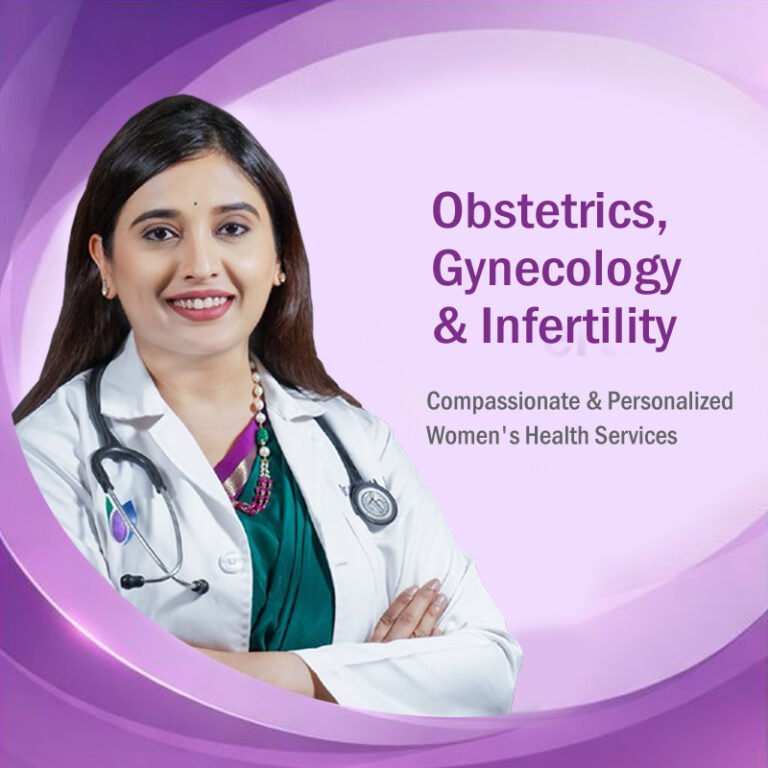
Meet Your Doctor: Dr. Samiksha Jain
Dr. Samiksha Jain is a highly experienced Obstetrician, Gynecologist, and Fertility Specialist dedicated to helping couples achieve their dream of parenthood through evidence-based reproductive medicine. She completed her MBBS followed by MD (Obstetrics & Gynecology) as a Gold Medalist and further pursued Fellowship in Reproductive Medicine (Bangalore), Fellowship in Minimal Access Surgery (Bangalore), and an Advanced Diploma in Reproductive Medicine (Germany).
With extensive expertise in infertility evaluation, IUI, IVF, ICSI, fertility preservation, minimally invasive gynecological surgery, and pregnancy care, Dr. Samiksha Jain develops individualized fertility treatment plans according to each couple’s unique reproductive needs. Her patient-focused approach combines advanced reproductive technology with compassionate counseling, helping couples across Nagpur, Maharashtra, India receive comprehensive fertility care under one roof.
What Is IUI (Intrauterine Insemination)?
Intrauterine Insemination (IUI) is an assisted reproductive procedure in which specially processed and concentrated healthy sperm are placed directly into the uterus during the woman’s fertile period. The procedure increases the number of motile sperm reaching the fallopian tubes, where fertilization naturally takes place. Unlike IVF, fertilization still occurs inside the woman’s body rather than in a laboratory.
Before insemination, the semen sample undergoes a laboratory process called sperm washing. This process removes debris, inactive sperm, and seminal fluid while concentrating healthy, motile sperm. The prepared sperm are then introduced into the uterus using a thin, soft catheter. The procedure usually takes only a few minutes and generally does not require anesthesia.
Because IUI closely resembles the natural conception process, it is often considered one of the least invasive fertility treatments available and may be recommended before moving to more advanced assisted reproductive techniques.
Who Can Benefit from IUI Treatment?
IUI is recommended only after careful fertility assessment. It is particularly beneficial when infertility is mild or when natural conception requires a little additional assistance. The decision depends on the age of both partners, duration of infertility, ovarian reserve, semen quality, fallopian tube health, and overall reproductive condition.
IUI may be recommended for:
- Unexplained infertility
- Mild male factor infertility
- Mild reduction in sperm motility
- Cervical factor infertility
- Ovulation disorders after appropriate treatment
- Couples using donor sperm when medically indicated
- Selected cases of endometriosis
- Couples who have been unable to conceive despite regular ovulation
Before recommending IUI, fertility specialists usually advise comprehensive Male & Female Fertility Evaluation to ensure that the treatment is appropriate for the couple’s specific infertility diagnosis.
When Is IUI Not Recommended?
Although IUI is highly effective for selected patients, it is not suitable for every infertility condition. Women with severely damaged or blocked fallopian tubes generally require alternative fertility treatments because fertilization naturally occurs inside the fallopian tubes. Similarly, severe male infertility with extremely poor sperm parameters may benefit more from ICSI performed as part of an IVF cycle.
Couples with advanced maternal age, repeated unsuccessful IUI cycles, significantly reduced ovarian reserve, or complex infertility conditions may also be advised to consider IVF instead of continuing multiple IUI attempts. Individualized medical evaluation helps determine the most effective treatment pathway.
How Is the IUI Procedure Performed?
The IUI treatment cycle begins with careful monitoring of ovulation. Depending on the woman’s medical condition, the cycle may be completely natural or supported with fertility medications that encourage the development of one or more mature follicles. Ultrasound examinations and hormonal monitoring help determine the ideal timing for insemination.
On the day of the procedure, the semen sample is collected and processed in the embryology laboratory. The healthiest, most motile sperm are concentrated through sperm washing before insemination. The fertility specialist then inserts a thin catheter through the cervix into the uterus and carefully places the prepared sperm directly inside the uterine cavity.
The procedure is quick, usually lasting only a few minutes. Most women experience little or no discomfort and are able to return home shortly afterward. Because the sperm are placed closer to the fallopian tubes, the likelihood of sperm reaching the egg increases compared to natural intercourse.
The Importance of Ovulation Timing
One of the most important aspects of successful IUI treatment is performing the insemination at the correct time. Fertility specialists carefully monitor follicle growth using ultrasound and may recommend hormonal trigger injections when appropriate to ensure that insemination coincides with ovulation.
Proper timing increases the opportunity for sperm and egg to meet naturally inside the fallopian tube. Accurate cycle monitoring is therefore an essential component of successful IUI treatment and is individualized for every patient.
Investigations Before Starting IUI
Before recommending IUI, both partners undergo detailed fertility investigations. Female evaluation may include hormonal blood tests, ovarian reserve assessment, ultrasound examination, ovulation tracking, and confirmation that at least one fallopian tube is open. Male evaluation primarily includes semen analysis and, when indicated, additional hormonal or reproductive investigations.
Women with conditions such as PCOD/PCOS Treatment, uterine abnormalities, fibroids, or endometriosis may require additional management before beginning fertility treatment. In selected cases, Laparoscopy & Hysteroscopy may be recommended to evaluate or treat structural reproductive problems before IUI.
Advantages of IUI Treatment
IUI offers several advantages, particularly for couples with mild infertility. The procedure is minimally invasive, relatively simple, and generally well tolerated. Since fertilization occurs naturally inside the body, IUI closely resembles natural conception while still providing medical assistance.
Additional benefits include:
- Simple outpatient procedure
- No major surgery required
- Usually no anesthesia required
- Short procedure duration
- Lower treatment complexity compared to IVF
- Can be combined with ovulation induction when appropriate
- Suitable for selected infertility conditions
Although IUI is less invasive than IVF, success depends greatly on proper patient selection and careful fertility evaluation rather than the procedure alone.
Preparing for an IUI Cycle
Preparation for IUI begins several weeks before the insemination procedure. Couples are encouraged to maintain a healthy lifestyle by following a nutritious diet, exercising regularly, avoiding tobacco and excessive alcohol consumption, managing stress, and following all prescribed medications carefully. Chronic medical conditions should be appropriately controlled before beginning fertility treatment.
Emotional preparation is equally important. Couples should understand that IUI improves the chances of pregnancy but does not guarantee conception in a single cycle. Open communication with the fertility specialist helps establish realistic expectations while ensuring that every stage of treatment is clearly understood.
Recovery After the IUI Procedure
One of the major advantages of IUI (Intrauterine Insemination) is that it is a simple outpatient procedure with minimal recovery time. Most women are able to resume their normal daily activities shortly after the insemination. Since the procedure is minimally invasive and does not involve surgery, hospitalization is generally not required.
Some women may experience mild cramping, light spotting, or slight pelvic discomfort immediately after the procedure. These symptoms are usually temporary and resolve on their own within a short period. Severe pain, heavy bleeding, or fever are uncommon and should be reported to the fertility specialist without delay.
Patients are usually advised to continue prescribed medications exactly as instructed. These medications may help support ovulation or prepare the uterine lining, depending on the treatment protocol. Following the doctor’s instructions carefully is an important part of every successful fertility treatment plan.
What Should You Do After IUI?
After IUI, many couples wonder whether they need complete bed rest. In most cases, prolonged bed rest is not necessary. Women can generally continue light routine activities unless advised otherwise for an individual medical reason. Maintaining a healthy lifestyle, staying hydrated, eating nutritious meals, and getting adequate sleep all contribute to overall reproductive health.
Heavy lifting, extremely strenuous exercise, smoking, excessive alcohol consumption, and recreational drugs should be avoided during the waiting period. Stress management is also important because infertility treatment can be emotionally demanding. Relaxation techniques, moderate physical activity, family support, and open communication with the fertility team may help reduce anxiety while waiting for the pregnancy test.
Although many couples become highly attentive to every physical sensation after IUI, it is important to remember that mild symptoms or the absence of symptoms do not reliably indicate whether pregnancy has occurred.
Pregnancy Test After IUI
The pregnancy test is one of the most anticipated stages of the IUI journey. Fertility specialists generally recommend waiting approximately two weeks after the insemination procedure before performing a pregnancy test. Testing too early may produce inaccurate or misleading results because implantation requires time to occur naturally.
If pregnancy is confirmed, additional blood tests and ultrasound examinations are scheduled to monitor early pregnancy development. If the pregnancy test is negative, the fertility specialist reviews the treatment cycle carefully to determine whether another IUI cycle, additional investigations, or a different fertility treatment would provide better chances of conception.
Every treatment cycle provides valuable clinical information that helps optimize future fertility planning.
Factors That Influence IUI Success
The success of IUI depends on several medical and biological factors rather than the insemination procedure alone. Maternal age remains one of the most important influences because egg quality naturally changes with increasing age. Other important factors include ovarian reserve, sperm quality, the health of the fallopian tubes, ovulation timing, uterine health, and the underlying cause of infertility.
Women with ovulation disorders such as PCOD/PCOS Treatment may achieve better outcomes when hormonal imbalance is appropriately managed before treatment. Likewise, couples with structural reproductive problems may require Laparoscopy & Hysteroscopy before fertility treatment to improve reproductive conditions.
Success rates also depend on selecting the right patients for IUI. Couples with severe infertility factors may benefit more from advanced reproductive treatments such as IVF or ICSI. Individualized treatment planning remains the key to successful fertility care.
Possible Risks and Complications of IUI
IUI is considered one of the safest fertility treatments available. Serious complications are uncommon when the procedure is performed by experienced fertility specialists. However, like every medical treatment, certain risks should be understood before beginning therapy.
Possible complications include mild pelvic discomfort after insemination, temporary spotting, infection (which is rare), medication-related side effects, or multiple pregnancy if ovulation induction medications result in the release of multiple eggs. Careful ultrasound monitoring during ovarian stimulation helps reduce these risks significantly.
Patients should immediately consult their doctor if they experience severe abdominal pain, heavy bleeding, fever, dizziness, or any unusual symptoms following treatment.
What Happens If IUI Is Unsuccessful?
A negative pregnancy test after one IUI cycle does not necessarily indicate that future treatment will also be unsuccessful. Fertility specialists carefully analyze each treatment cycle to understand ovarian response, sperm quality, timing of insemination, and other reproductive factors before recommending the next step.
Depending on the couple’s age, infertility diagnosis, ovarian reserve, and previous treatment history, another IUI cycle may be advised. In other situations, the fertility specialist may recommend more advanced reproductive techniques such as IVF (In Vitro Fertilization) or ICSI (Intracytoplasmic Sperm Injection).
The goal is always to choose the treatment that offers the highest likelihood of achieving a healthy pregnancy while avoiding unnecessary delays.
Pregnancy Care After Successful IUI
When pregnancy occurs after IUI, routine prenatal care becomes the next priority. Most pregnancies achieved through IUI progress similarly to naturally conceived pregnancies. Regular prenatal monitoring allows doctors to assess fetal development, maternal health, and pregnancy progression.
Women are encouraged to attend scheduled appointments for Antenatal Checkup, continue prescribed prenatal supplements, maintain a nutritious diet, and follow all medical advice. Women with previous pregnancy complications or existing medical conditions may also benefit from High Risk Pregnancy Management and Complete Maternal Care to ensure the healthiest possible pregnancy outcome.
Why Choosing an Experienced Fertility Specialist Matters
Although IUI is technically a simple procedure, successful treatment depends on much more than insemination alone. Accurate infertility diagnosis, careful ovulation monitoring, proper sperm preparation, individualized medication protocols, correct timing of insemination, and comprehensive patient counseling all contribute significantly to treatment success.
Dr. Samiksha Jain combines advanced reproductive medicine expertise with compassionate patient care to develop personalized fertility treatment plans for every couple. Whether treatment involves ovulation induction, IUI, IVF, ICSI, or comprehensive infertility management, each couple receives evidence-based care tailored to their unique reproductive needs.
Patients seeking fertility treatment in Nagpur, Maharashtra, India benefit from a comprehensive approach that integrates modern reproductive technology with ethical medical practice, individualized counseling, and continuous emotional support throughout their fertility journey.
Frequently Asked Questions
1. Is bed rest necessary after IUI treatment?
No. Most women can resume their normal daily activities after an IUI procedure. However, it is advisable to avoid heavy physical exertion and follow any specific instructions provided by your fertility specialist.
2. When should I take a pregnancy test after IUI?
A pregnancy test is generally recommended about 14 days after the IUI procedure. Testing too early may result in an inaccurate outcome, especially if fertility medications have been used.
3. Is IUI a painful procedure?
IUI is generally a simple and minimally invasive procedure. Some women may experience mild cramping or slight discomfort during or after the procedure, but it is usually well tolerated by most patients.
4. What should I do if my first IUI cycle is unsuccessful?
An unsuccessful IUI cycle does not mean that future treatment will also be unsuccessful. Your fertility specialist will evaluate the entire treatment cycle, identify any contributing factors, and recommend the most appropriate next steps based on your individual situation.
5. Can IUI result in twins?
Yes. If ovulation induction medications stimulate the release of more than one egg, the likelihood of a multiple pregnancy, including twins, may increase. Therefore, regular ultrasound monitoring is an important part of IUI treatment.
6. What is the difference between IUI and IVF?
In IUI, prepared sperm is placed directly into the uterus, allowing fertilization to occur naturally inside the body. In IVF, eggs and sperm are fertilized in a laboratory, and the resulting embryo is then transferred into the uterus.
7. Is IUI suitable for every infertile couple?
No. IUI is recommended only for selected infertility cases. After a comprehensive fertility evaluation, your doctor will determine whether IUI or another fertility treatment is the most suitable option.
8. Are regular check-ups necessary after achieving pregnancy?
Yes. After a successful IUI pregnancy, regular Antenatal Checkup, ultrasound examinations, and prenatal monitoring are essential to support a healthy pregnancy and ensure the well-being of both the mother and the baby.
IUI (Intrauterine Insemination) Treatment in Nagpur is an effective and minimally invasive fertility treatment for carefully selected couples experiencing infertility. By placing specially prepared sperm directly into the uterus at the optimal time of ovulation, IUI increases the chances of natural fertilization while avoiding the complexity of more advanced reproductive procedures. When combined with accurate diagnosis, proper ovulation monitoring, individualized treatment planning, and healthy lifestyle practices, IUI offers many couples an excellent opportunity to achieve pregnancy.
For couples in Nagpur, Maharashtra, India, consulting an experienced fertility specialist like Dr. Samiksha Jain ensures that every stage of fertility care is guided by scientific expertise, personalized attention, and compassionate support. Whether IUI is the first recommended treatment or part of a broader fertility journey, comprehensive reproductive care helps couples move confidently toward their dream of building a healthy family.