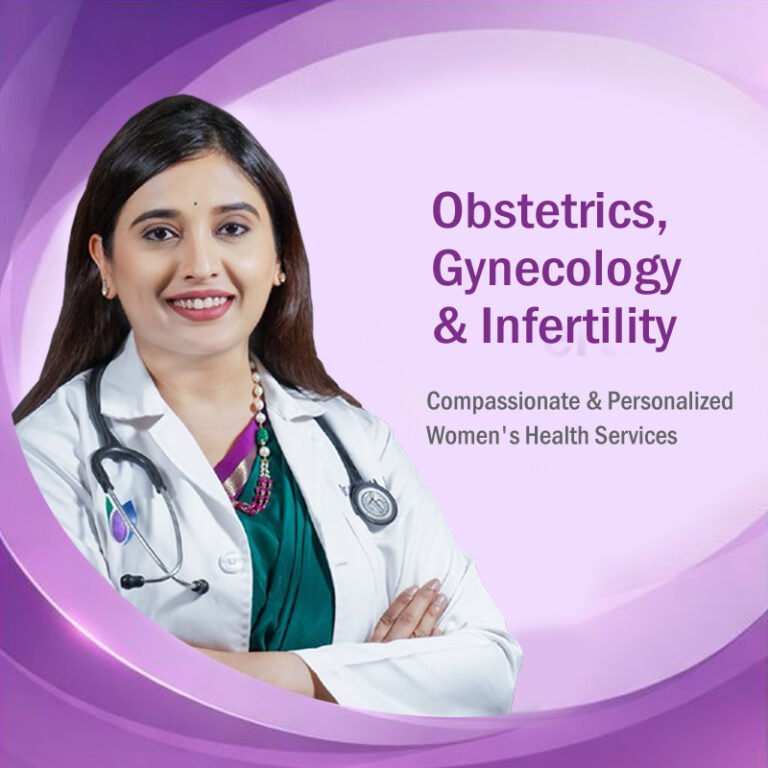
Meet Your Doctor: Dr. Samiksha Jain
Dr. Samiksha Jain is a highly accomplished Obstetrician, Gynecologist, and Fertility Specialist known for her compassionate approach and excellence in women’s healthcare. A Gold Medalist in MD (Obstetrics & Gynecology), she combines academic brilliance with advanced clinical expertise to provide the highest standard of care to her patients. Her qualifications include MBBS, MD (Obs/Gyn) Gold Medalist, Fellowship in Reproductive Medicine (Bangalore), Fellowship in Minimal Access Surgery (Bangalore), and Advanced Diploma in Reproductive Medicine (Germany).
Her background in reproductive medicine and obstetrics allows her to manage pregnancy care with a broader perspective, especially for women who may need detailed monitoring because of fertility treatment, gynecologic conditions, or previous obstetric complications. She is well-positioned to guide women through high-risk pregnancy, antenatal follow-up, fertility evaluation, and childbirth planning with a careful and individualized approach. This is particularly valuable for women in Nagpur, in Maharashtra, in India, who need expert care that is both medically precise and emotionally reassuring.
What Is a High-Risk Pregnancy?
A high-risk pregnancy is a pregnancy that has a higher chance of complications for the mother, the baby, or both. This does not mean that a healthy outcome is impossible. It simply means the pregnancy needs closer medical supervision and a more thoughtful care plan. Some women enter pregnancy with a pre-existing medical problem, while others develop complications during pregnancy itself. In both situations, the right management strategy can greatly improve safety and reduce preventable risks.
High-risk status may be related to maternal health, fetal development, placental issues, blood pressure changes, blood sugar changes, previous pregnancy outcomes, or multiple gestation. Some women need only a few additional checks, while others require intensive follow-up throughout pregnancy. The level of care depends entirely on the underlying risk factors and how the pregnancy is progressing over time.
This is why women are encouraged not to wait for severe symptoms before seeking care. Early assessment allows the doctor to understand the situation, plan investigations, and create a clear pathway forward.
Who May Need High-Risk Pregnancy Management?
Many different situations can make a pregnancy high risk. Some women already know they have a medical condition before conceiving, while others discover a concern during routine antenatal care. The following groups may need closer monitoring:
- Women above the usual reproductive age range, especially advanced maternal age
- Women with diabetes or gestational diabetes
- Women with high blood pressure or pregnancy-induced hypertension
- Women with thyroid disorders
- Women carrying twins or triplets
- Women with a previous cesarean scar
- Women with a history of miscarriage or preterm birth
- Women with infertility history or fertility treatment
- Women with fibroids, endometriosis, or ovarian cysts
- Women with placenta-related problems
- Women with fetal growth concerns
- Women with anemia or nutritional deficiency
High-risk pregnancy management is also important for women who have had previous gynecological issues such as PCOD/PCOS Treatment, Fibroids, Endometriosis & ovarian cysts Treatment, or Advanced Infertility Treatment, because the path to pregnancy may already involve additional medical complexity.
Common Causes and Risk Factors
High-risk pregnancy can arise from many causes, and often more than one factor is present at the same time. Maternal age is a major factor because some pregnancy complications become more likely as age increases. Chronic medical disorders such as diabetes, thyroid disease, hypertension, kidney disease, autoimmune conditions, and heart disease can also affect pregnancy safety. Pregnancy-specific issues like preeclampsia, gestational diabetes, low-lying placenta, fetal growth restriction, and amniotic fluid abnormalities may develop as pregnancy progresses.
Some women already have a reproductive history that requires careful planning. Prior miscarriage, previous preterm birth, repeated fertility treatment, uterine surgery, or a previous cesarean delivery can all influence the current pregnancy plan. In addition, lifestyle issues such as obesity, smoking, poor nutrition, untreated anemia, and chronic stress may worsen pregnancy risks and should be addressed early.
Because these causes can interact in different ways, the right management plan is never identical for every patient. It must be built around the woman’s medical history, current pregnancy stage, and the baby’s condition.
Early Warning Signs That Need Immediate Attention
One of the most important parts of high-risk pregnancy care is knowing when to seek medical help quickly. Some symptoms may indicate a complication and should never be ignored. These include bleeding, leaking of fluid, severe abdominal pain, persistent headache, blurred vision, sudden swelling, high fever, reduced fetal movements, breathlessness, severe vomiting, or a sudden increase in blood pressure symptoms. These warning signs do not always mean a serious problem, but they do require prompt medical review.
Women with high-risk pregnancies are often advised to stay in closer touch with their obstetrician and report unusual symptoms early rather than waiting for the next routine visit. The earlier a concern is identified, the easier it is to manage safely. This is one reason why regular Antenatal Checkup appointments are so important in high-risk cases.
Families should also know the warning signs so they can support timely hospital visits when needed. A well-informed family is an important part of safe obstetric care.
Why High-Risk Pregnancy Needs Specialist Care
High-risk pregnancy management is more effective when handled by a specialist because complex pregnancies require more than routine observation. A specialist understands how to interpret multiple risk factors together, plan extra tests at the right time, and respond to complications quickly. This level of care is especially important in pregnancies with previous fertility treatment, recurrent loss, multiple gestation, blood pressure issues, or fetal growth concerns.
Specialist care also helps reduce uncertainty. Women often feel anxious when they know the pregnancy needs closer monitoring. Clear explanations, regular review, and a defined plan make the experience much more manageable. That is why many women prefer integrated maternal care that includes Complete Maternal Care, antenatal tracking, delivery preparation, and postpartum support under the supervision of one trusted specialist.
For pregnancies that may later need delivery planning, it is also helpful to discuss Delivery or Childbirth well before the due date so the mother and family know what to expect and how the birth will be handled.
First Consultation in a High-Risk Pregnancy
The first consultation is the foundation of high-risk pregnancy management. The doctor reviews the mother’s age, previous pregnancies, menstrual history, past miscarriages, medical illnesses, surgeries, medications, fertility treatment history, and current symptoms. Blood pressure, weight, and overall well-being are assessed, and previous reports or ultrasound findings are carefully reviewed. This detailed discussion helps determine which tests are needed next and how frequently follow-up should occur.
Depending on the case, the doctor may recommend blood sugar testing, thyroid function assessment, blood count evaluation, urine tests, ultrasound scans, fetal growth monitoring, and other investigations. Some women may require more frequent appointments from the early weeks, while others need closer review only later in pregnancy. The plan is individualized because risk profiles are not the same for every pregnancy.
The first visit also gives the mother a chance to ask questions, understand possible complications, and receive guidance on safe habits during pregnancy. When the care plan is clearly explained from the start, the entire pregnancy journey becomes calmer and more organized.
Monitoring During Pregnancy
Monitoring in a high-risk pregnancy is more detailed than in a routine pregnancy. The frequency and type of follow-up depend on the underlying concern. Some women need repeat ultrasound scans to observe fetal growth and placental function. Others need regular blood pressure checks or blood sugar monitoring. In some pregnancies, the doctor may focus on fetal movement counts, amniotic fluid status, cervical length, or the baby’s position as the due date approaches.
Good monitoring is proactive rather than reactive. It aims to detect changes before they become emergencies. This is why high-risk pregnancy management is so valuable in modern obstetrics. The doctor can adjust diet, medicines, rest recommendations, or delivery planning based on current findings rather than waiting for complications to worsen.
Women with prior infertility or reproductive history may need coordinated care that connects pregnancy monitoring with the earlier fertility journey. In such cases, services like Male & Female Fertility Evaluation and IVF history become relevant because they help the obstetrician understand the full background of the pregnancy.
Common Pregnancy Complications That May Require Careful Management
Some complications are more likely in high-risk pregnancies than in uncomplicated pregnancies. These may include blood pressure-related disorders, gestational diabetes, fetal growth restriction, preterm labor, placenta previa, placenta-related bleeding, amniotic fluid abnormalities, anemia, and fetal distress. Not every high-risk pregnancy develops these issues, but the possibility is why close surveillance is so important.
Some women may also have conditions that indirectly affect pregnancy, such as PCOS, fibroids, or endometriosis. These do not automatically cause complications, but they can influence fertility, placental development, pain symptoms, or delivery planning. That is why pregnancy care should be seen as a continuum, not an isolated event. A woman’s history before conception can matter just as much as what happens during the pregnancy itself.
Experienced management allows the doctor to anticipate concerns early and take steps to protect both mother and baby throughout pregnancy.
Preparing for Safe Delivery
High-risk pregnancy management always includes delivery planning. The goal is not only to reach the end of pregnancy safely, but also to choose the safest timing and mode of birth. The doctor considers the mother’s condition, the baby’s position, fetal growth, placental health, blood pressure, sugar control, previous cesarean history, and many other factors before planning delivery.
Some women may be suitable for vaginal delivery, while others may require a planned cesarean. In certain situations, early delivery may be recommended if continuing the pregnancy poses more risk than delivering the baby. The decision is always based on medical judgment and patient safety. Because delivery is such an important part of the journey, it is helpful to discuss it in advance through Delivery or Childbirth planning as the pregnancy progresses.
When delivery planning is done thoughtfully, families feel more prepared and less anxious. This makes the final stage of pregnancy more predictable and safer for everyone involved.
Managing Blood Pressure During High-Risk Pregnancy
High blood pressure is one of the most common conditions requiring specialized obstetric care during pregnancy. Whether a woman has chronic hypertension before pregnancy or develops pregnancy-induced hypertension or preeclampsia, regular monitoring is essential to protect both maternal and fetal health. Blood pressure is checked at every antenatal visit, and additional investigations may be recommended to monitor kidney function, urine protein, and overall maternal well-being.
Women are encouraged to take prescribed medications exactly as directed, maintain scheduled follow-up appointments, and immediately report symptoms such as severe headache, blurred vision, swelling of the face or hands, chest discomfort, or sudden weight gain. Early diagnosis and timely treatment help reduce complications and support a healthier pregnancy outcome.
Managing Gestational Diabetes
Gestational diabetes develops when blood sugar levels become elevated during pregnancy. Although many women have no noticeable symptoms, uncontrolled blood sugar may increase the risk of pregnancy complications for both mother and baby. Early screening, dietary counseling, blood glucose monitoring, and individualized treatment play a crucial role in successful pregnancy management.
Most women benefit from nutritional guidance, regular physical activity as advised by the obstetrician, and periodic blood sugar assessment. Some pregnancies may require medication or insulin therapy if lifestyle measures alone are insufficient. Close monitoring allows doctors to support healthy fetal growth while reducing the likelihood of complications during pregnancy and delivery.
Women diagnosed with gestational diabetes should continue regular Antenatal Checkup appointments so that maternal health and fetal development can be carefully monitored throughout pregnancy.
Fetal Growth Monitoring
One of the primary objectives of high-risk pregnancy management is ensuring that the baby grows appropriately throughout pregnancy. Regular ultrasound examinations help evaluate fetal growth, amniotic fluid volume, placental function, fetal position, and overall well-being.
If fetal growth appears slower or faster than expected, additional monitoring may be recommended. Depending on the clinical situation, doctors may schedule more frequent ultrasounds, fetal heart monitoring, or specialized Doppler studies to assess blood flow between the placenta and the baby. These investigations provide valuable information that helps guide decisions regarding the safest continuation of pregnancy and the most appropriate timing of delivery.
Nutrition and Lifestyle During High-Risk Pregnancy
A healthy lifestyle remains an important part of managing high-risk pregnancies. Proper nutrition supports fetal development, maternal health, and the body’s ability to cope with pregnancy-related changes. Women should consume a balanced diet rich in fruits, vegetables, whole grains, proteins, calcium, iron, and folic acid while following individualized dietary recommendations based on medical conditions such as diabetes or hypertension.
Additional lifestyle recommendations include:
- Attending every scheduled antenatal appointment
- Taking prescribed supplements regularly
- Remaining physically active according to medical advice
- Avoiding smoking, tobacco, alcohol, and recreational drugs
- Maintaining adequate hydration
- Getting sufficient sleep and rest
- Managing stress through relaxation techniques and family support
Healthy daily habits complement medical treatment and contribute to improved maternal and fetal outcomes.
When Hospitalization May Be Required
Although many high-risk pregnancies can be managed through regular outpatient visits, certain situations require hospitalization for closer observation and treatment. Admission may be recommended if the mother develops severe hypertension, uncontrolled diabetes, preterm labor, significant vaginal bleeding, reduced fetal movements, severe anemia, or other complications requiring continuous monitoring.
Hospital-based care allows obstetricians to perform frequent maternal assessments, fetal monitoring, laboratory investigations, and emergency interventions if required. The decision to admit a patient is always based on clinical need and is aimed at ensuring the safest possible outcome for both mother and baby.
Postpartum Care After a High-Risk Pregnancy
Medical care does not end with childbirth. Women who have experienced high-risk pregnancies often require continued monitoring during the postpartum period to ensure complete recovery and early identification of any remaining health concerns. Blood pressure, blood sugar, anemia, wound healing after cesarean delivery, breastfeeding, emotional well-being, and overall recovery are assessed during follow-up visits.
Postnatal care also provides an opportunity to discuss future pregnancy planning, contraception, nutritional recovery, and long-term management of chronic medical conditions. Women are encouraged to continue regular medical follow-up even after their baby is born to support long-term health.
Why Choose Dr. Samiksha Jain for High-Risk Pregnancy Management?
High-risk pregnancy requires careful planning, advanced clinical knowledge, and continuous monitoring throughout pregnancy. Dr. Samiksha Jain combines extensive expertise in obstetrics, reproductive medicine, and minimally invasive gynecology to provide personalized pregnancy care for women with both routine and complex pregnancies.
Her comprehensive approach includes Antenatal Checkups, Complete Maternal Care, management of pregnancy-related medical conditions, fertility counseling, and individualized delivery planning. Women who have conceived naturally or through IVF, IUI, or other fertility treatments receive coordinated care designed to maximize maternal and fetal safety.
For women in Nagpur, Maharashtra, India, Dr. Samiksha Jain offers compassionate, evidence-based obstetric care supported by modern diagnostic facilities, timely interventions, and personalized pregnancy management from conception through childbirth and postpartum recovery.
Frequently Asked Questions
1. Does a high-risk pregnancy mean the pregnancy is dangerous?
No. A high-risk pregnancy simply means that the mother or baby requires closer medical monitoring and specialized obstetric care. With appropriate treatment and regular follow-up, many women with high-risk pregnancies go on to have healthy pregnancies and safe deliveries.
2. How often should I visit the doctor during a high-risk pregnancy?
The frequency of follow-up visits depends on your individual pregnancy and medical condition. Some women may require routine appointments, while others may need more frequent checkups, ultrasounds, and specialized monitoring to ensure the well-being of both mother and baby.
3. Is a normal delivery possible in a high-risk pregnancy?
Yes. In many cases, a normal vaginal delivery is possible. The mode of delivery is determined based on the mother’s health, the baby’s condition, the progress of the pregnancy, and the obstetrician’s clinical assessment.
4. How does gestational diabetes affect pregnancy?
If blood sugar levels are not well controlled, gestational diabetes can increase the risk of pregnancy-related complications. Regular blood glucose monitoring, a healthy diet, physical activity as advised, and following your doctor’s treatment plan are essential for a healthy pregnancy.
5. How serious is high blood pressure during pregnancy?
Uncontrolled high blood pressure can increase the risk of complications for both the mother and the baby. Regular blood pressure monitoring, prescribed medications, and close medical supervision are important to help ensure a safe pregnancy.
6. Why are more ultrasounds performed during a high-risk pregnancy?
Frequent ultrasound examinations help monitor fetal growth, placental health, amniotic fluid levels, and the baby’s overall well-being. This allows your doctor to make timely medical decisions whenever necessary.
7. Is a future pregnancy possible after a high-risk pregnancy?
Yes. Many women successfully achieve healthy future pregnancies with appropriate medical care and preconception counseling. Consulting your obstetrician before planning another pregnancy is strongly recommended.
8. When should I consult a specialist for a high-risk pregnancy?
You should consult a specialist obstetrician as soon as your pregnancy is confirmed if you have diabetes, hypertension, thyroid disorders, a history of recurrent miscarriages, an IVF pregnancy, a multiple pregnancy (such as twins), or complications during a previous pregnancy.
High Risk Pregnancy Management in Nagpur focuses on providing specialized care for pregnancies that require closer medical attention due to maternal, fetal, or pregnancy-related factors. Through regular antenatal checkups, advanced fetal monitoring, timely investigations, personalized treatment plans, and carefully planned delivery strategies, many women with high-risk pregnancies go on to experience healthy pregnancies and successful childbirth.
For women in Nagpur, Maharashtra, India, choosing an experienced obstetrician like Dr. Samiksha Jain ensures comprehensive pregnancy care supported by advanced medical expertise, compassionate guidance, and evidence-based management. Whether the pregnancy is complicated by hypertension, diabetes, multiple gestation, previous infertility treatment, or other medical conditions, individualized care helps protect both mother and baby throughout the journey from conception to a safe delivery and healthy postpartum recovery.