Meet Your Doctor: Dr. Samiksha Jain
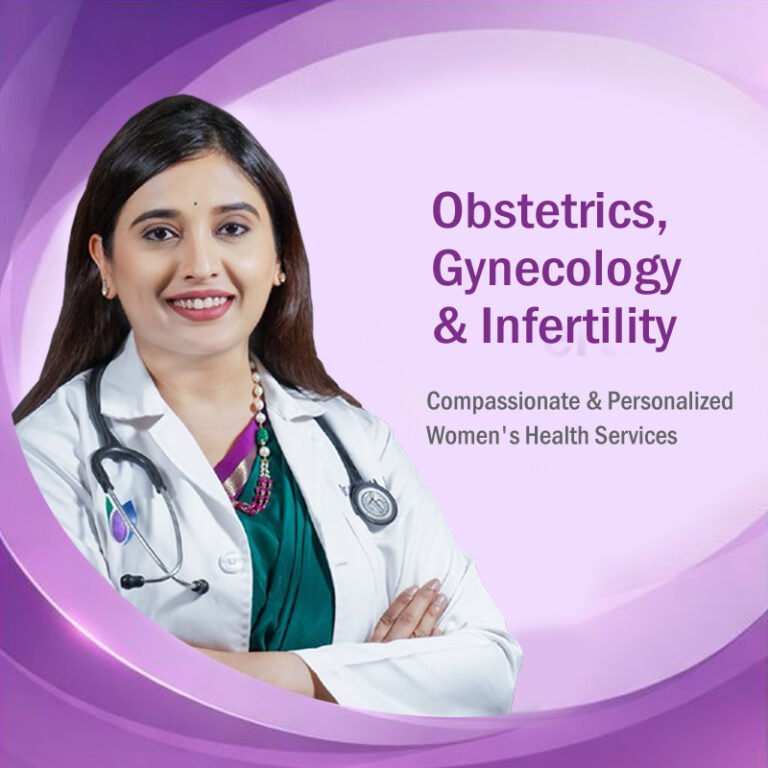
Dr. Samiksha Jain is a highly experienced Obstetrician, Gynecologist, and Fertility Specialist committed to providing comprehensive maternal healthcare for women at every stage of pregnancy. She completed her MBBS followed by MD (Obstetrics & Gynecology) as a Gold Medalist and further enhanced her expertise through Fellowship in Reproductive Medicine (Bangalore), Fellowship in Minimal Access Surgery (Bangalore), and an Advanced Diploma in Reproductive Medicine (Germany).
Her clinical expertise includes Antenatal Checkup, High-Risk Pregnancy Management, normal and cesarean deliveries, fetal monitoring, infertility treatment, IVF, IUI, minimally invasive gynecological surgery, and postnatal care. Dr. Samiksha Jain believes that comprehensive maternal care begins before conception and continues well after childbirth to ensure the best possible outcomes for both mother and baby.
What Is Complete Maternal Care?
Complete maternal care refers to the continuous medical support provided to women before pregnancy, throughout pregnancy, during labor and delivery, and after childbirth. Rather than focusing only on the delivery itself, comprehensive maternal care addresses every aspect of maternal and fetal health, ensuring that both mother and baby receive appropriate medical attention during each stage of pregnancy.
This holistic approach includes regular health assessments, nutritional counseling, laboratory investigations, ultrasound monitoring, management of pregnancy-related medical conditions, labor planning, safe childbirth, breastfeeding guidance, postpartum recovery, and emotional support. Comprehensive care helps reduce pregnancy-related risks while promoting healthier pregnancies and safer deliveries.
Why Is Maternal Care Important?
Regular maternal care plays a critical role in protecting the health of both mother and baby. Pregnancy involves significant hormonal, cardiovascular, metabolic, and physical changes that require ongoing medical supervision. Routine checkups help identify complications at an early stage, allowing timely intervention before they become serious.
Comprehensive maternal care offers several important benefits:
- Monitoring fetal growth and development
- Early detection of pregnancy complications
- Management of maternal medical conditions
- Nutritional guidance for healthy pregnancy
- Vaccination and preventive healthcare
- Safe delivery planning
- Preparation for labor and childbirth
- Postpartum recovery support
- Breastfeeding education
- Improved maternal and newborn health outcomes
Consistent prenatal care significantly contributes to healthier pregnancies and better birth outcomes.
Stages of Complete Maternal Care
Maternal healthcare extends far beyond pregnancy alone. Comprehensive care is generally divided into four major stages, each addressing specific health needs of the mother and developing baby.
1. Preconception Care
Preconception counseling focuses on optimizing a woman’s health before pregnancy. Medical conditions, medications, nutritional deficiencies, vaccinations, lifestyle factors, and reproductive planning are reviewed to prepare for a healthy conception.
2. Antenatal Care
During pregnancy, regular Antenatal Checkups monitor maternal health, fetal growth, blood pressure, laboratory investigations, ultrasound findings, and pregnancy progress while identifying complications early.
3. Labor and Delivery Care
Safe childbirth requires careful monitoring of both mother and baby during labor. Delivery planning is individualized according to maternal health, fetal well-being, and pregnancy-related medical conditions.
4. Postnatal Care
Following childbirth, mothers require continued medical support to ensure proper recovery, breastfeeding success, emotional well-being, and newborn health monitoring.
Preconception Counseling
Planning pregnancy before conception allows women to address medical conditions that may influence pregnancy outcomes. During preconception counseling, fertility specialists evaluate reproductive health, menstrual history, previous pregnancies, chronic illnesses, medications, vaccination status, nutrition, body weight, and family history.
Women experiencing infertility may also undergo Male & Female Fertility Evaluation before attempting pregnancy. If necessary, advanced reproductive treatments such as IUI or IVF may be recommended based on the underlying fertility diagnosis.
Preconception planning creates a healthier foundation for pregnancy and reduces preventable maternal and fetal risks.
Importance of Regular Antenatal Checkups
Regular antenatal visits are the cornerstone of maternal healthcare. These appointments allow obstetricians to monitor fetal development, maternal weight, blood pressure, blood sugar levels, fetal heartbeat, laboratory investigations, and ultrasound findings throughout pregnancy.
Routine antenatal care also includes nutritional counseling, pregnancy education, vaccination guidance, monitoring fetal movements, screening for anemia, gestational diabetes, thyroid disorders, and hypertensive disorders of pregnancy. Women receive individualized recommendations according to their pregnancy stage and overall health.
Timely antenatal care enables early diagnosis of complications and supports safe pregnancy progression from conception until delivery.
Nutrition During Pregnancy
Proper nutrition is fundamental for healthy maternal and fetal development. During pregnancy, nutritional requirements increase to support fetal growth, placental function, maternal blood volume expansion, and overall pregnancy health.
A balanced pregnancy diet should include:
- Fresh fruits and vegetables
- Whole grains
- Protein-rich foods
- Iron-rich foods
- Calcium-rich foods
- Folic acid supplementation
- Adequate hydration
- Doctor-recommended prenatal vitamins
Women should consult their obstetrician before taking supplements or making significant dietary changes during pregnancy.
Managing High-Risk Pregnancy
Some pregnancies require closer medical monitoring because of maternal age, chronic medical conditions, previous pregnancy complications, multiple pregnancy, hypertension, diabetes, thyroid disorders, or fetal concerns. These pregnancies are classified as high-risk pregnancies and require specialized obstetric care.
Women with high-risk pregnancies benefit from regular monitoring through High-Risk Pregnancy Management, which includes more frequent evaluations, advanced fetal monitoring, individualized treatment plans, and careful delivery planning to minimize maternal and fetal complications.
Appropriate management allows many women with high-risk pregnancies to achieve healthy pregnancy outcomes under expert obstetric supervision.
Preparing for Childbirth
As pregnancy progresses, preparation for labor and delivery becomes increasingly important. Obstetricians discuss expected signs of labor, hospital admission, birth planning, pain management options, emergency situations, breastfeeding preparation, newborn care, and postpartum recovery. Understanding the childbirth process helps reduce anxiety and allows families to prepare confidently for the arrival of their baby.
Labor and Delivery Care
Labor and delivery are among the most important stages of pregnancy, requiring continuous monitoring of both the mother and the baby. Comprehensive maternal care ensures that labor progresses safely while allowing timely medical intervention if complications arise. Every childbirth experience is unique, and delivery planning is individualized based on maternal health, fetal condition, pregnancy duration, previous obstetric history, and any associated medical concerns.
During labor, obstetricians carefully monitor maternal vital signs, uterine contractions, fetal heart rate, cervical progress, and the overall well-being of both mother and baby. If labor progresses normally, a vaginal delivery may be possible. However, if medical indications arise—such as fetal distress, abnormal labor progression, placenta-related complications, or maternal health concerns—a cesarean section may be recommended to ensure the safest possible outcome.
The primary goal of modern obstetric care is always a healthy mother and a healthy baby through evidence-based medical management and compassionate support.
Postnatal Care for Mothers
Maternal healthcare continues well beyond childbirth. The weeks following delivery, commonly known as the postpartum period, are crucial for physical recovery, emotional well-being, breastfeeding success, and adaptation to motherhood. Regular postnatal follow-up appointments help monitor healing, identify complications early, and provide guidance regarding maternal health.
Postnatal care generally includes:
- Monitoring recovery after vaginal or cesarean delivery
- Assessment of uterine healing
- Blood pressure and overall health evaluation
- Management of postpartum pain
- Nutritional counseling
- Breastfeeding support
- Mental and emotional health assessment
- Family planning counseling
- Advice regarding physical activity and recovery
Early recognition and management of postpartum complications contribute significantly to long-term maternal health.
Breastfeeding Support and Guidance
Breastfeeding provides ideal nutrition for newborns while offering several health benefits for both mother and baby. Mothers are encouraged to initiate breastfeeding as early as medically appropriate after delivery. Proper breastfeeding techniques, positioning, and feeding frequency are explained during postnatal counseling to support successful feeding and reduce common breastfeeding difficulties.
Breastfeeding also supports uterine recovery, promotes bonding between mother and baby, and contributes to the newborn’s developing immune system. When mothers experience challenges such as nipple discomfort, feeding difficulties, or concerns about milk supply, timely consultation with their obstetrician can provide reassurance and appropriate guidance.
Every breastfeeding journey is unique, and individualized support helps mothers build confidence during the early weeks after childbirth.
Newborn Care After Delivery
Comprehensive maternal care extends to newborn health immediately after birth. Initial newborn assessment focuses on breathing, body temperature, feeding, weight, reflexes, and overall adaptation to life outside the womb. Parents also receive education regarding newborn hygiene, umbilical cord care, safe sleep practices, vaccination schedules, and recognizing signs that require medical attention.
Routine pediatric follow-up ensures that the baby grows and develops appropriately during the first weeks and months of life. Early parental education plays an important role in building confidence while supporting healthy newborn development.
Emotional Well-Being During Motherhood
Pregnancy and childbirth involve significant emotional as well as physical changes. Many women experience mood fluctuations, fatigue, anxiety, or emotional adjustment during the postpartum period. Open communication with healthcare providers and family members is essential for maintaining emotional well-being.
Mothers should never hesitate to discuss persistent sadness, excessive anxiety, difficulty bonding with the baby, sleep disturbances unrelated to newborn care, or overwhelming emotional distress with their doctor. Early recognition allows appropriate support and intervention whenever necessary.
Comprehensive maternal care recognizes emotional health as an essential component of healthy motherhood.
Healthy Lifestyle During Pregnancy and After Delivery
Healthy daily habits continue to play an important role throughout pregnancy and the postpartum period. Obstetricians encourage women to follow a balanced diet, remain physically active according to medical advice, stay hydrated, obtain adequate sleep, and attend all scheduled follow-up appointments.
Additional recommendations include:
- Taking prescribed prenatal or postnatal supplements
- Avoiding smoking and alcohol
- Managing chronic medical conditions carefully
- Maintaining good personal hygiene
- Following vaccination recommendations
- Reporting unusual symptoms promptly
- Seeking medical advice before starting new medications
These healthy practices support maternal recovery, breastfeeding, and overall family well-being.
Why Choose Dr. Samiksha Jain for Complete Maternal Care?
Comprehensive maternal care requires experience, careful monitoring, personalized treatment planning, and compassionate support throughout every stage of pregnancy and childbirth. Dr. Samiksha Jain provides complete obstetric care beginning with preconception counseling and continuing through antenatal care, delivery, postpartum recovery, and long-term women’s health.
Her expertise includes Antenatal Checkups, High-Risk Pregnancy Management, fertility care, IUI, IVF, minimally invasive gynecological surgery, and personalized pregnancy care. Every treatment plan is developed according to the mother’s health, pregnancy progress, and individual medical needs, ensuring evidence-based care with a strong focus on maternal and fetal safety.
Women in Nagpur, Maharashtra, India benefit from advanced obstetric care supported by modern medical technology, continuous monitoring, ethical medical practice, and compassionate guidance throughout their journey into motherhood.
Frequently Asked Questions
1. What does complete maternal care include?
Complete maternal care includes preconception counseling, antenatal checkups, pregnancy monitoring, labor and delivery care, postnatal care, breastfeeding support, and newborn care. It provides comprehensive medical guidance throughout every stage of motherhood.
2. Why are regular antenatal checkups important during pregnancy?
Regular antenatal checkups help monitor the health of both the mother and the baby, detect pregnancy-related complications at an early stage, and support safe pregnancy planning. Routine visits also allow timely medical intervention whenever necessary.
3. What is a high-risk pregnancy?
A pregnancy is considered high-risk when there is an increased chance of complications due to conditions such as hypertension, diabetes, thyroid disorders, advanced maternal age, multiple pregnancies (twins or more), or other medical concerns. Such pregnancies require specialized monitoring and expert obstetric care.
4. When should I have a postnatal checkup after delivery?
You should attend regular postnatal follow-up visits as advised by your doctor after delivery. These appointments help assess recovery, breastfeeding, emotional well-being, wound healing if applicable, and your overall maternal health.
5. When should breastfeeding be started?
Depending on the medical condition of both the mother and the baby, breastfeeding is generally recommended as soon as possible after birth. Early breastfeeding offers numerous health benefits and supports bonding between the mother and newborn.
6. How important is a healthy diet during pregnancy?
A balanced and nutritious diet is essential for healthy fetal growth, maternal well-being, proper placental development, and the overall healthy progression of pregnancy. Adequate nutrition also helps meet the increased nutritional needs during pregnancy.
7. Are regular doctor visits necessary even during a normal pregnancy?
Yes. Even in a normal pregnancy, regular antenatal visits are extremely important because some pregnancy complications can develop without noticeable symptoms. Routine monitoring helps ensure the health and safety of both mother and baby throughout pregnancy.
8. Should I consult a doctor before planning a pregnancy?
Yes. Preconception counseling helps evaluate your overall health, nutritional status, medical conditions, medications, and lifestyle before conception. Proper planning can improve the chances of a healthy pregnancy and a healthy baby.
Complete Maternal Care in Nagpur is much more than routine pregnancy checkups—it is a comprehensive healthcare journey that begins before conception and continues through pregnancy, childbirth, and the postpartum period. Regular monitoring, balanced nutrition, timely investigations, safe delivery planning, breastfeeding support, and postnatal care all contribute to healthier mothers and healthier babies. Personalized maternal care helps detect complications early, supports fetal development, and ensures that every stage of pregnancy is managed with confidence and safety.
For women in Nagpur, Maharashtra, India, choosing an experienced obstetrician like Dr. Samiksha Jain provides access to compassionate, evidence-based, and individualized maternal care. Whether you are planning your first pregnancy, managing a high-risk pregnancy, preparing for childbirth, or seeking postnatal support, expert guidance throughout every stage of motherhood helps create the foundation for a healthy pregnancy and a positive birth experience.