Meet Your Doctor: Dr. Samiksha Jain
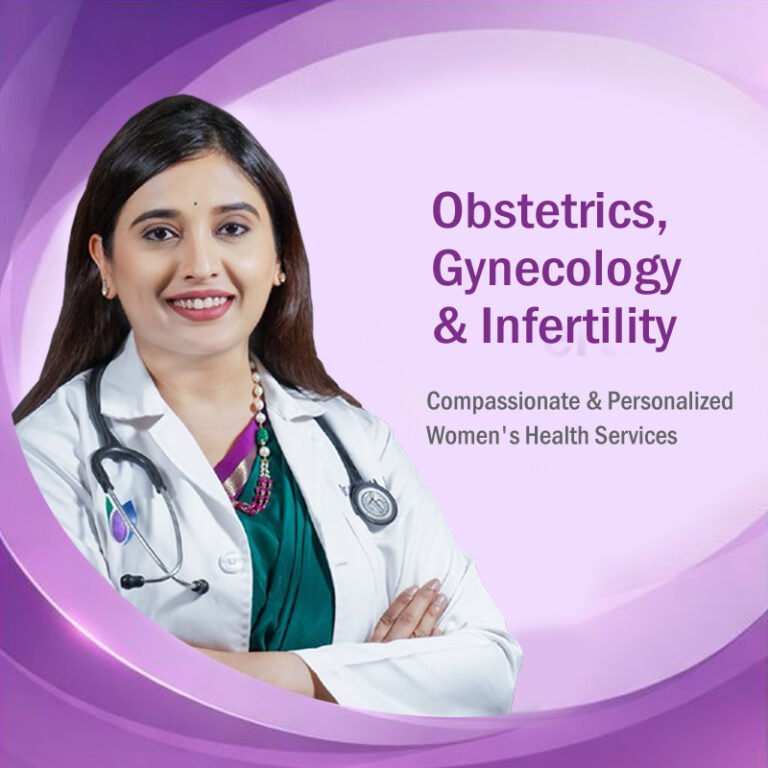
Dr. Samiksha Jain is an experienced Obstetrician, Gynecologist, and Fertility Specialist dedicated to providing advanced infertility diagnosis and personalized reproductive care. She completed her MBBS followed by MD (Obstetrics & Gynecology) as a Gold Medalist and further specialized through Fellowship in Reproductive Medicine (Bangalore), Fellowship in Minimal Access Surgery (Bangalore), and an Advanced Diploma in Reproductive Medicine (Germany).
Her expertise includes comprehensive fertility evaluation, ovulation assessment, hormonal disorders, recurrent pregnancy loss evaluation, IUI (Intrauterine Insemination), IVF (In Vitro Fertilization), ICSI (Intracytoplasmic Sperm Injection), fertility preservation, minimally invasive gynecological surgery, and pregnancy care. Dr. Samiksha Jain believes that successful fertility treatment begins with an accurate diagnosis and individualized treatment planning for every couple.
What Is Fertility Evaluation?
Fertility evaluation is a detailed medical assessment designed to determine the reproductive health of both the male and female partner. It involves reviewing medical history, reproductive history, menstrual patterns, previous pregnancies, lifestyle factors, hormonal status, physical examination, laboratory investigations, and imaging studies where appropriate.
The objective of fertility evaluation is not only to diagnose infertility but also to identify factors that may reduce the chances of conception in the future. Early diagnosis often allows simpler treatments to be initiated before more advanced reproductive techniques become necessary.
Every couple receives an individualized evaluation because infertility has many possible causes. Comprehensive fertility assessment ensures that treatment decisions are based on scientific evidence rather than assumptions.
When Should Couples Seek Fertility Evaluation?
Couples are generally encouraged to consult a fertility specialist if pregnancy has not occurred after a reasonable period of regular, unprotected intercourse. However, earlier evaluation may be recommended for individuals with known reproductive disorders or other medical conditions affecting fertility.
Fertility evaluation should be considered in situations such as:
- Difficulty conceiving despite regular unprotected intercourse
- Irregular or absent menstrual cycles
- Women above 35 years planning pregnancy
- History of recurrent miscarriages
- Known PCOS or hormonal disorders
- Endometriosis
- Previous pelvic or reproductive surgery
- History of sexually transmitted infections affecting fertility
- Male reproductive concerns such as low sperm count or previous testicular surgery
- Previous unsuccessful fertility treatment
Seeking evaluation early often improves treatment planning and prevents unnecessary delays in achieving pregnancy.
Why Is It Important to Evaluate Both Partners?
Infertility is a shared reproductive condition rather than an issue affecting only one partner. Studies have shown that male factors contribute to a significant proportion of infertility cases. Therefore, evaluating only the female partner may overlook important male reproductive issues that require treatment.
Simultaneous evaluation allows fertility specialists to identify whether infertility is related to ovulation disorders, tubal disease, uterine abnormalities, sperm quality, hormonal imbalance, lifestyle factors, or a combination of multiple causes. In some couples, no clear cause is identified despite comprehensive investigations, a condition known as unexplained infertility.
Comprehensive evaluation of both partners provides the strongest foundation for selecting appropriate fertility treatment while avoiding unnecessary investigations or procedures.
Female Fertility Evaluation
Female fertility assessment begins with a detailed discussion of menstrual history, previous pregnancies, medical illnesses, medications, surgeries, family history, and lifestyle habits. Understanding menstrual regularity provides important information regarding ovulation and hormonal function.
The evaluation may include:
- Pelvic examination
- Hormonal blood investigations
- Ovarian reserve testing
- Pelvic ultrasound
- Ovulation assessment
- Evaluation of uterine health
- Assessment of fallopian tube patency
- Screening for reproductive disorders
Women diagnosed with conditions such as PCOD/PCOS Treatment, endometriosis, fibroids, ovarian cysts, or hormonal imbalance may require additional investigations before beginning fertility treatment.
Male Fertility Evaluation
Male fertility assessment is equally important and begins with a detailed reproductive and medical history. Fertility specialists evaluate previous illnesses, surgeries, medications, occupational exposures, lifestyle habits, family history, and sexual health. Physical examination helps identify conditions that may affect reproductive function.
The cornerstone of male fertility evaluation is semen analysis, which examines several important characteristics including sperm count, motility, morphology, semen volume, and other laboratory parameters. Depending on the findings, additional hormonal tests, ultrasound examinations, or genetic investigations may be recommended.
Comprehensive male evaluation helps determine whether natural conception, medical treatment, IUI, IVF, or ICSI is likely to provide the greatest chance of pregnancy.
Common Causes of Female Infertility
Female infertility may result from a variety of reproductive and hormonal conditions. Ovulation disorders are among the most common causes and are frequently associated with hormonal imbalance or PCOS. Structural problems affecting the uterus or fallopian tubes may also interfere with fertilization or implantation.
Common female fertility factors include:
- Ovulation disorders
- PCOS
- Blocked fallopian tubes
- Endometriosis
- Fibroids
- Ovarian cysts
- Diminished ovarian reserve
- Hormonal imbalance
- Age-related fertility decline
Identifying the precise cause allows fertility specialists to recommend the most effective treatment while avoiding unnecessary procedures.
Common Causes of Male Infertility
Male infertility can result from reduced sperm production, poor sperm movement, abnormal sperm shape, hormonal disorders, reproductive tract obstruction, previous infections, genetic conditions, or lifestyle factors. Sometimes multiple factors contribute simultaneously.
Male fertility may be influenced by:
- Low sperm count
- Poor sperm motility
- Abnormal sperm morphology
- Hormonal disorders
- Varicocele
- Previous infections
- Certain medications
- Smoking and excessive alcohol consumption
- Chronic medical conditions
Early diagnosis often allows appropriate medical management or assisted reproductive planning before fertility declines further.
Preparing for Fertility Evaluation
Couples preparing for fertility evaluation should gather previous medical records, laboratory reports, imaging studies, surgical history, and details of any previous fertility treatments. Maintaining a healthy lifestyle before evaluation—including balanced nutrition, regular exercise, avoiding smoking, limiting alcohol intake, managing chronic medical conditions, and maintaining a healthy body weight—supports overall reproductive health.
Emotional preparation is equally important because infertility evaluation can be stressful for many couples. Open communication with the fertility specialist helps patients understand every investigation, interpret test results accurately, and develop realistic expectations regarding future treatment options.
Advanced Fertility Investigations
After the initial consultation and basic fertility assessment, some couples may require additional investigations to identify more complex reproductive problems. Advanced fertility investigations are recommended only when medically necessary and are selected according to each couple’s reproductive history, age, previous pregnancies, menstrual pattern, semen analysis findings, and overall health. These specialized tests help fertility specialists understand the exact cause of infertility and design the most appropriate treatment plan.
Depending on the clinical situation, advanced investigations may include detailed hormonal testing, ovarian reserve assessment, tubal patency evaluation, pelvic imaging, uterine cavity assessment, genetic investigations, specialized semen analysis, or reproductive hormone evaluation. The objective is to obtain accurate diagnostic information while avoiding unnecessary testing.
Every couple receives an individualized evaluation because infertility has multiple possible causes, and no single investigation is appropriate for every patient.
Ovarian Reserve Testing
Ovarian reserve refers to the number and quality of eggs remaining in a woman’s ovaries. As women grow older, ovarian reserve naturally declines, making fertility assessment increasingly important when pregnancy is being planned. Ovarian reserve testing helps fertility specialists estimate how the ovaries may respond to fertility treatment and assists in long-term reproductive planning.
Assessment usually includes hormonal blood tests along with pelvic ultrasound to evaluate ovarian follicles. These investigations do not predict pregnancy with certainty but provide valuable information for selecting the most suitable fertility treatment. Women considering delayed motherhood may also discuss Egg & Sperm Freezing as a fertility preservation option if appropriate.
Understanding ovarian reserve allows treatment to be individualized according to age, reproductive goals, and future family planning.
Evaluation of the Fallopian Tubes and Uterus
Healthy fallopian tubes and a normal uterine cavity are essential for natural conception. Fertility specialists may recommend imaging studies to determine whether the fallopian tubes are open and whether the uterus has any structural abnormalities that could interfere with fertilization or implantation.
Conditions such as uterine fibroids, uterine polyps, adhesions, congenital uterine abnormalities, or blocked fallopian tubes may reduce fertility. In selected situations, Laparoscopy & Hysteroscopy may be advised to diagnose or treat these conditions before fertility treatment begins.
Early identification of structural reproductive problems allows corrective treatment whenever appropriate and improves future reproductive planning.
Understanding Semen Analysis Results
Semen analysis is one of the most important investigations in male fertility evaluation. It provides valuable information regarding sperm concentration, movement (motility), shape (morphology), semen volume, and several additional laboratory parameters that influence reproductive potential.
An abnormal semen analysis does not automatically mean that pregnancy is impossible. Mild abnormalities may improve with medical treatment, lifestyle modification, or simple fertility procedures such as IUI (Intrauterine Insemination). More severe abnormalities may require advanced reproductive techniques such as IVF or ICSI.
Because semen quality naturally varies over time, fertility specialists may recommend repeating semen analysis when necessary to obtain a more accurate assessment before finalizing the treatment plan.
Lifestyle Changes That Support Fertility
Although medical treatment plays an important role in infertility management, healthy lifestyle habits also contribute significantly to reproductive health. Fertility specialists encourage both partners to adopt habits that support hormonal balance, reproductive function, and overall well-being.
Helpful lifestyle recommendations include:
- Maintaining a healthy body weight
- Eating a balanced and nutritious diet
- Engaging in regular moderate exercise
- Avoiding smoking and tobacco products
- Limiting alcohol consumption
- Managing stress effectively
- Getting adequate sleep
- Following prescribed medications correctly
- Managing chronic medical conditions such as diabetes or thyroid disorders
While lifestyle improvements alone may not resolve every fertility problem, they create a healthier environment for natural conception as well as assisted reproductive treatments.
Treatment Options After Fertility Evaluation
Once fertility evaluation is complete, the treatment plan depends entirely on the identified cause of infertility. Some couples may conceive naturally after correcting hormonal imbalance or improving lifestyle factors, while others may benefit from ovulation induction, medical management, or minimally invasive surgery.
Depending on the diagnosis, treatment options may include:
- Ovulation induction
- Hormonal treatment
- Management of PCOS or thyroid disorders
- Laparoscopy & Hysteroscopy for structural abnormalities
- IUI (Intrauterine Insemination)
- IVF (In Vitro Fertilization)
- ICSI (Intracytoplasmic Sperm Injection)
- Fertility preservation through Egg / Sperm Freezing
Each treatment plan is carefully personalized according to age, reproductive goals, duration of infertility, laboratory findings, and overall health rather than following a standard approach for every couple.
Emotional Support During Fertility Evaluation
Infertility evaluation can be emotionally challenging because couples are often dealing with uncertainty, anxiety, and repeated disappointment. Emotional support forms an essential part of comprehensive fertility care. Open communication with the fertility specialist helps patients understand every investigation, interpret results correctly, and develop realistic expectations regarding treatment.
Couples should remember that infertility is a recognized medical condition affecting millions of people worldwide. Seeking professional medical evaluation is a positive step toward identifying solutions rather than a sign of failure. Family support, counseling when needed, and evidence-based medical guidance help many couples navigate the fertility journey with greater confidence.
Why Choose Dr. Samiksha Jain for Fertility Evaluation?
Successful fertility treatment always begins with an accurate diagnosis. Dr. Samiksha Jain combines advanced expertise in reproductive medicine with personalized patient care to provide comprehensive fertility evaluation for both men and women. Her approach includes detailed history-taking, thorough investigations, individualized counseling, and evidence-based treatment planning tailored to each couple’s reproductive goals.
Whether fertility treatment ultimately involves ovulation induction, IUI, IVF, ICSI, minimally invasive surgery, or fertility preservation, every patient receives compassionate care supported by modern reproductive medicine. Couples in Nagpur, Maharashtra, India benefit from individualized treatment strategies designed to maximize reproductive success while maintaining patient safety and ethical medical practice.
Frequently Asked Questions
1. When should I undergo a fertility evaluation?
If you have been trying to conceive through regular unprotected intercourse without success, or if you have irregular menstrual cycles, recurrent miscarriages, PCOS, or concerns about male fertility, it is advisable to consult a fertility specialist for a comprehensive evaluation.
2. Is it necessary for both partners to undergo fertility testing?
Yes. Infertility can result from male, female, or combined factors. Therefore, a comprehensive fertility evaluation includes an assessment of both partners to identify the underlying cause and determine the most appropriate treatment plan.
3. What does a semen analysis evaluate?
A semen analysis assesses important reproductive parameters such as sperm count, sperm motility, sperm morphology, semen volume, and other semen characteristics. It is a key component of male fertility evaluation.
4. What is ovarian reserve testing?
Ovarian reserve testing evaluates the quantity of remaining eggs and a woman’s reproductive potential using hormonal blood tests and ultrasound examinations. It helps fertility specialists plan the most appropriate treatment strategy.
5. Is fertility evaluation painful?
Most fertility investigations involve simple blood tests, ultrasound examinations, and semen analysis, which are generally not painful. In selected cases, additional specialized procedures may be recommended, and your doctor will explain them thoroughly beforehand.
6. Can lifestyle changes improve fertility?
Yes. Maintaining a healthy diet, exercising regularly, avoiding smoking, limiting alcohol consumption, managing stress, and controlling chronic medical conditions can all support reproductive health and improve fertility outcomes.
7. What treatments may be recommended after a fertility evaluation?
The recommended treatment depends on the underlying cause of infertility. It may include medications, ovulation induction, IUI, IVF, ICSI, minimally invasive surgery, or fertility preservation, depending on the individual’s condition.
8. What are the benefits of early fertility evaluation?
Early fertility evaluation helps identify the exact cause of infertility at an earlier stage, allowing timely treatment to begin. Prompt diagnosis and appropriate management can improve the chances of achieving a successful pregnancy.
Male & Female Fertility Evaluation in Nagpur is the foundation of successful infertility management. A thorough assessment of both partners helps identify the underlying causes of infertility, allowing fertility specialists to recommend the most appropriate and personalized treatment plan. From hormonal evaluation and ovarian reserve testing to semen analysis and advanced reproductive investigations, every step contributes to a clearer understanding of reproductive health and improves the chances of achieving pregnancy.
For couples in Nagpur, Maharashtra, India, consulting an experienced fertility specialist like Dr. Samiksha Jain ensures access to comprehensive fertility evaluation, modern diagnostic techniques, evidence-based treatment planning, and compassionate support throughout the fertility journey. Whether the next step involves lifestyle modifications, medical treatment, IUI, IVF, ICSI, or fertility preservation, an accurate diagnosis remains the key to building a healthy family.