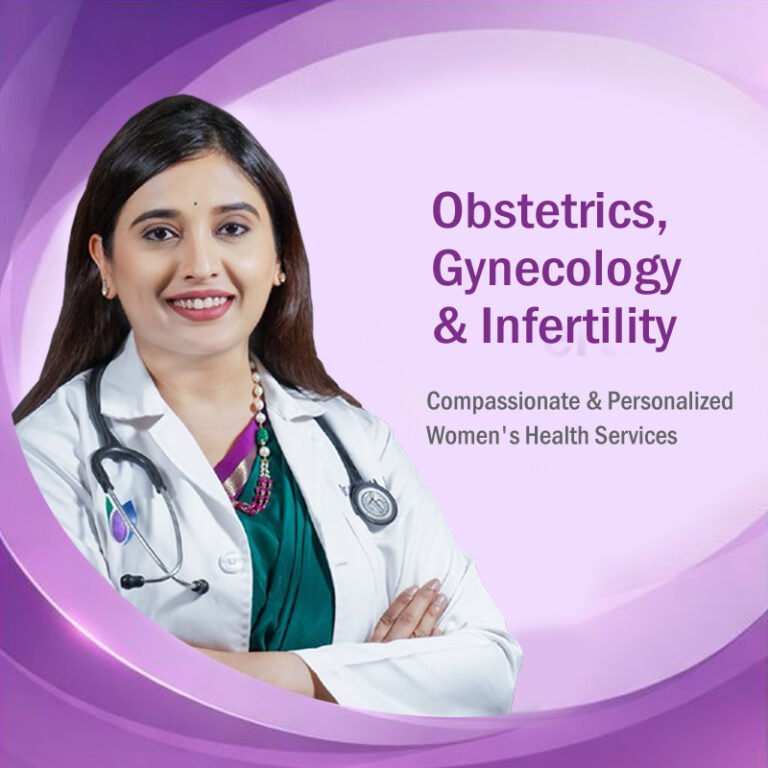
Meet Your Doctor: Dr. Samiksha Jain
Dr. Samiksha Jain is an experienced Obstetrician, Gynecologist, and Fertility Specialist dedicated to providing advanced women’s healthcare and fertility management. She completed her MBBS followed by MD (Obstetrics & Gynecology) as a Gold Medalist and further specialized through Fellowship in Reproductive Medicine (Bangalore), Fellowship in Minimal Access Surgery (Bangalore), and an Advanced Diploma in Reproductive Medicine (Germany).
Her expertise includes the diagnosis and treatment of fibroids, endometriosis, ovarian cysts, infertility, Laparoscopy & Hysteroscopy, PCOD/PCOS Treatment, IUI, IVF, ICSI, high-risk pregnancy management, and comprehensive gynecological care. Dr. Samiksha Jain believes in personalized treatment plans that prioritize symptom relief, fertility preservation, and minimally invasive techniques whenever appropriate.
Understanding Fibroids, Endometriosis, and Ovarian Cysts
Fibroids, endometriosis, and ovarian cysts are among the most common gynecological conditions affecting women during their reproductive years. Although they are separate medical disorders, each can influence menstrual health, pelvic organs, fertility, and daily life.
Fibroids are non-cancerous growths that develop within or around the uterus. They vary in size, number, and location. Some women experience no symptoms, while others develop heavy menstrual bleeding, pelvic pressure, frequent urination, infertility, or pregnancy-related complications.
Endometriosis occurs when tissue similar to the uterine lining grows outside the uterus. This misplaced tissue responds to hormonal changes during the menstrual cycle, leading to inflammation, pelvic pain, scar tissue formation, and in some women, infertility.
Ovarian cysts are fluid-filled sacs that develop on or within the ovaries. Many ovarian cysts are harmless and disappear naturally, but some require medical monitoring or treatment depending on their size, type, symptoms, and appearance on ultrasound.
Common Symptoms That Should Not Be Ignored
Although symptoms vary from one woman to another, certain warning signs should prompt consultation with a gynecologist. Early diagnosis often allows conservative treatment and reduces the likelihood of future complications.
Common symptoms include:
- Heavy or prolonged menstrual bleeding
- Severe menstrual cramps
- Chronic pelvic pain
- Pain during sexual intercourse
- Irregular menstrual cycles
- Pelvic pressure or abdominal fullness
- Frequent urination due to pressure on the bladder
- Pain during bowel movements in some women
- Difficulty conceiving
- Unexplained infertility
These symptoms are not always caused by fibroids, endometriosis, or ovarian cysts, but they require proper medical evaluation to determine the underlying cause.
Understanding Uterine Fibroids
Uterine fibroids, also known as leiomyomas, are benign tumors arising from the muscular wall of the uterus. They are one of the most common gynecological conditions affecting women of reproductive age. Fibroids may occur as a single growth or multiple growths and may range from very small lesions to larger masses capable of enlarging the uterus.
Many women with fibroids remain symptom-free and discover them during routine gynecological examinations or pregnancy ultrasounds. Others may experience heavy menstrual bleeding, anemia, pelvic discomfort, pressure symptoms, recurrent pregnancy loss, or fertility challenges depending on the fibroid’s size and location.
Treatment depends on symptoms, reproductive plans, fibroid size, location, and overall health. Not every fibroid requires surgery, and individualized management remains essential.
Understanding Endometriosis
Endometriosis is a chronic gynecological condition in which tissue resembling the uterine lining grows outside the uterus, commonly affecting the ovaries, fallopian tubes, pelvic lining, and surrounding organs. During each menstrual cycle, this tissue responds to hormonal changes, resulting in inflammation, irritation, and sometimes scar tissue formation.
Women with endometriosis often experience severe menstrual pain that may progressively worsen over time. Chronic pelvic pain, pain during intercourse, painful bowel movements during menstruation, fatigue, and infertility are also commonly associated with the condition. However, the severity of symptoms does not always reflect the extent of disease.
Early diagnosis and individualized treatment help reduce symptoms, improve fertility outcomes, and prevent disease progression.
Understanding Ovarian Cysts
Ovarian cysts are fluid-filled sacs that develop on or inside the ovaries. Most ovarian cysts are functional cysts related to the normal menstrual cycle and disappear without treatment. However, certain cysts require further evaluation to determine their nature and appropriate management.
Depending on their size and type, ovarian cysts may cause pelvic pain, abdominal bloating, menstrual irregularities, discomfort during physical activity, or no symptoms at all. Large cysts or complicated cysts may occasionally require surgical treatment.
Regular gynecological evaluation and ultrasound monitoring help distinguish harmless cysts from those requiring medical intervention.
Causes and Risk Factors
The exact causes of fibroids, endometriosis, and ovarian cysts differ, although hormonal influences play an important role in all three conditions. Age, family history, reproductive hormones, genetics, previous gynecological disorders, and certain lifestyle factors may contribute to their development.
Potential risk factors include:
- Family history of fibroids or endometriosis
- Hormonal imbalance
- Early onset of menstruation
- Delayed pregnancy
- Certain genetic factors
- Obesity (particularly for fibroids)
- Previous gynecological disorders
- Reproductive age
While many risk factors cannot be modified, regular gynecological check-ups help detect these conditions early.
Diagnosis of Fibroids, Endometriosis, and Ovarian Cysts
Accurate diagnosis begins with a detailed medical history and comprehensive gynecological examination. The doctor carefully evaluates menstrual patterns, pelvic pain, fertility concerns, previous pregnancies, surgeries, and family history before recommending appropriate investigations.
Diagnostic evaluation may include:
- Pelvic examination
- Transvaginal or pelvic ultrasound
- Hormonal blood investigations
- MRI in selected cases
- Diagnostic Laparoscopy & Hysteroscopy
- Fertility assessment for women planning pregnancy through Male & Female Fertility Evaluation
A precise diagnosis is essential because treatment strategies differ significantly between fibroids, endometriosis, and ovarian cysts.
Can These Conditions Affect Fertility?
Yes. Depending on their severity and location, fibroids, endometriosis, and ovarian cysts may reduce fertility in some women. Fibroids located inside the uterine cavity may interfere with embryo implantation, while endometriosis can affect ovarian function, fallopian tubes, and pelvic anatomy. Certain ovarian cysts may also influence ovarian reserve or ovulation.
Fortunately, many women successfully conceive after receiving appropriate treatment. Fertility specialists may recommend medical management, minimally invasive surgery, IUI, IVF, or other fertility treatments depending on the underlying diagnosis and reproductive goals.
Treatment Options for Fibroids, Endometriosis & Ovarian Cysts
The treatment for fibroids, endometriosis, and ovarian cysts depends on several factors, including the woman’s age, symptoms, reproductive goals, the size and location of the condition, and overall health. Not every patient requires surgery. Many women benefit from conservative medical management, while others may require minimally invasive procedures or advanced surgical treatment.
An individualized treatment plan is always the preferred approach because every patient presents with different symptoms and future pregnancy plans. The primary goals of treatment are to relieve symptoms, preserve reproductive health whenever possible, improve fertility when required, and prevent complications.
Depending on the diagnosis, treatment options may include:
- Regular monitoring for small, asymptomatic ovarian cysts or fibroids
- Medications to control pain and heavy menstrual bleeding
- Hormonal therapy for selected gynecological conditions
- Treatment for associated hormonal disorders such as PCOD/PCOS
- Laparoscopic & Hysteroscopic Surgery
- Fertility-preserving surgical procedures
- Advanced fertility treatments such as IUI, IVF, or ICSI when infertility is present
Choosing the correct treatment early often improves long-term reproductive health and quality of life.
Role of Minimally Invasive Laparoscopic Surgery
Minimally invasive surgery has transformed the treatment of many gynecological conditions. Laparoscopic surgery allows surgeons to diagnose and treat fibroids, endometriosis, ovarian cysts, pelvic adhesions, and other reproductive disorders through very small incisions instead of a large abdominal cut.
Compared with conventional open surgery, laparoscopy generally offers several potential advantages, including reduced postoperative pain, smaller scars, shorter hospital stay, faster recovery, less blood loss, and earlier return to daily activities. It also provides excellent visualization of pelvic organs, helping surgeons perform precise procedures while preserving healthy reproductive tissue whenever possible.
Women experiencing infertility because of endometriosis or pelvic adhesions may particularly benefit from appropriately planned minimally invasive surgery before fertility treatment.
Can Fertility Be Preserved During Treatment?
One of the major goals of modern gynecology is fertility preservation whenever medically feasible. Women who wish to conceive in the future often receive treatment plans designed to protect ovarian function and reproductive potential while effectively managing their condition.
Depending on age, ovarian reserve, disease severity, and future pregnancy plans, fertility specialists may recommend fertility-preserving surgery or discuss Egg & Sperm Freezing before certain medical or surgical treatments. Women planning pregnancy after treatment may also undergo Male & Female Fertility Evaluation to determine the most suitable reproductive strategy.
Individualized fertility planning is especially important for women with advanced endometriosis, recurrent ovarian cysts, or fibroids affecting the uterine cavity.
Recovery After Treatment
Recovery varies according to the type of treatment performed. Women receiving medical therapy usually continue routine follow-up appointments to monitor symptom improvement and treatment response. Patients undergoing laparoscopic surgery often recover faster than those undergoing traditional open surgery, although recovery time differs depending on the complexity of the procedure.
Following treatment, patients are encouraged to:
- Attend scheduled follow-up appointments
- Take medications exactly as prescribed
- Avoid strenuous physical activity until medically cleared
- Maintain a healthy and balanced diet
- Stay physically active once recovery is complete
- Report fever, severe pain, heavy bleeding, or unusual symptoms promptly
Regular follow-up helps fertility specialists monitor healing, evaluate symptom relief, and plan future reproductive care when needed.
Lifestyle Measures That Support Women’s Reproductive Health
Although lifestyle changes cannot completely prevent fibroids, endometriosis, or ovarian cysts, healthy habits support overall reproductive health and complement medical treatment. Maintaining a healthy body weight, eating a balanced diet rich in fruits and vegetables, engaging in regular physical activity, getting adequate sleep, managing stress, and avoiding smoking contribute positively to hormonal health.
Women experiencing persistent menstrual symptoms should avoid self-medication and seek timely gynecological consultation. Regular pelvic examinations and ultrasound assessments enable early diagnosis, allowing treatment to begin before complications develop.
Combining healthy lifestyle practices with evidence-based medical care often provides the best long-term outcomes.
Possible Complications If Left Untreated
Ignoring symptoms related to fibroids, endometriosis, or ovarian cysts may lead to progressive disease in some women. Untreated fibroids can contribute to persistent heavy menstrual bleeding, anemia, pelvic pressure, urinary symptoms, or reproductive complications. Endometriosis may progress with increasing pelvic pain, scar tissue formation, and fertility problems. Certain ovarian cysts may enlarge, rupture, or occasionally undergo ovarian torsion, requiring emergency medical attention.
Not every patient experiences complications, but regular gynecological evaluation allows doctors to monitor these conditions and intervene at the most appropriate time. Early diagnosis generally expands treatment options and may reduce the need for more extensive surgery later.
Why Choose Dr. Samiksha Jain for Gynecological Treatment?
Successful management of fibroids, endometriosis, and ovarian cysts requires accurate diagnosis, individualized treatment planning, and a fertility-focused approach whenever appropriate. Dr. Samiksha Jain combines advanced expertise in reproductive medicine with specialized training in minimally invasive gynecological surgery to provide comprehensive women’s healthcare.
Her patient-centered approach includes detailed evaluation, modern diagnostic imaging, evidence-based treatment, fertility preservation whenever possible, and long-term follow-up. Whether a woman requires medication, Laparoscopy & Hysteroscopy, infertility management, IUI, IVF, or pregnancy planning, every treatment plan is tailored to her unique medical needs and reproductive goals.
Women in Nagpur, Maharashtra, India receive compassionate, ethical, and evidence-based gynecological care designed to improve health, fertility, and quality of life.
Frequently Asked Questions
1. Does every fibroid require surgery?
No. Small fibroids that do not cause symptoms often require only regular monitoring. Treatment depends on the size, location, and symptoms of the fibroid, as well as the woman’s pregnancy plans and overall health.
2. Can endometriosis affect pregnancy?
Yes. Endometriosis can affect fertility in some women, making conception more challenging. However, with appropriate treatment and fertility management, many women successfully achieve pregnancy naturally or with assisted reproductive techniques.
3. Are ovarian cysts always dangerous?
No. Most ovarian cysts are harmless and resolve on their own without treatment. However, certain types of cysts may require regular ultrasound monitoring, medication, or surgical treatment depending on their size, appearance, and associated symptoms.
4. What are the benefits of laparoscopic surgery?
Laparoscopic surgery offers several advantages, including smaller incisions, less postoperative pain, reduced blood loss, faster recovery, minimal scarring, and a shorter hospital stay compared with conventional open surgery.
5. Is pregnancy possible after treatment?
Yes. Many women achieve successful pregnancies after receiving appropriate treatment for fibroids, endometriosis, or ovarian cysts. Depending on the individual case, pregnancy may occur naturally or with the help of fertility treatments.
6. Can ovarian cysts recur?
Yes. Some types of ovarian cysts may recur in the future. Regular gynecological follow-up and adherence to your doctor’s recommendations are important for early detection and effective management.
7. When should I seek immediate medical attention?
You should contact your gynecologist immediately if you experience severe pelvic pain, sudden intense abdominal pain, heavy vaginal bleeding, fever, persistent vomiting, dizziness, or any other concerning symptoms that may indicate a medical emergency.
8. Is fertility evaluation necessary before treatment?
If you are planning a pregnancy or experiencing infertility, undergoing a Male & Female Fertility Evaluation is highly recommended. A comprehensive fertility assessment helps guide the most appropriate treatment plan and improves the chances of achieving a successful pregnancy.
Fibroids, Endometriosis & Ovarian Cysts Treatment in Nagpur plays a vital role in protecting women’s reproductive health, relieving symptoms, and improving quality of life. Early diagnosis and individualized treatment can effectively manage heavy menstrual bleeding, chronic pelvic pain, menstrual irregularities, and fertility concerns while preserving reproductive potential whenever possible. Modern gynecology offers a wide range of treatment options—from medical management and regular monitoring to advanced minimally invasive surgery and fertility treatments—based on each woman’s unique needs.
For women in Nagpur, Maharashtra, India, consulting an experienced specialist like Dr. Samiksha Jain ensures comprehensive evaluation, evidence-based treatment, compassionate care, and personalized reproductive planning. Whether your goal is symptom relief, fertility preservation, or planning a healthy pregnancy, expert gynecological care is the first step toward long-term health and well-being.