Comprehensive reproductive healthcare emphasizes prevention, early detection, individualized treatment, fertility preservation whenever appropriate, and patient education. Timely consultation with an experienced gynecologist allows many reproductive diseases to be diagnosed before they lead to infertility, chronic pelvic pain, recurrent infections, pregnancy complications, or other long-term health concerns.
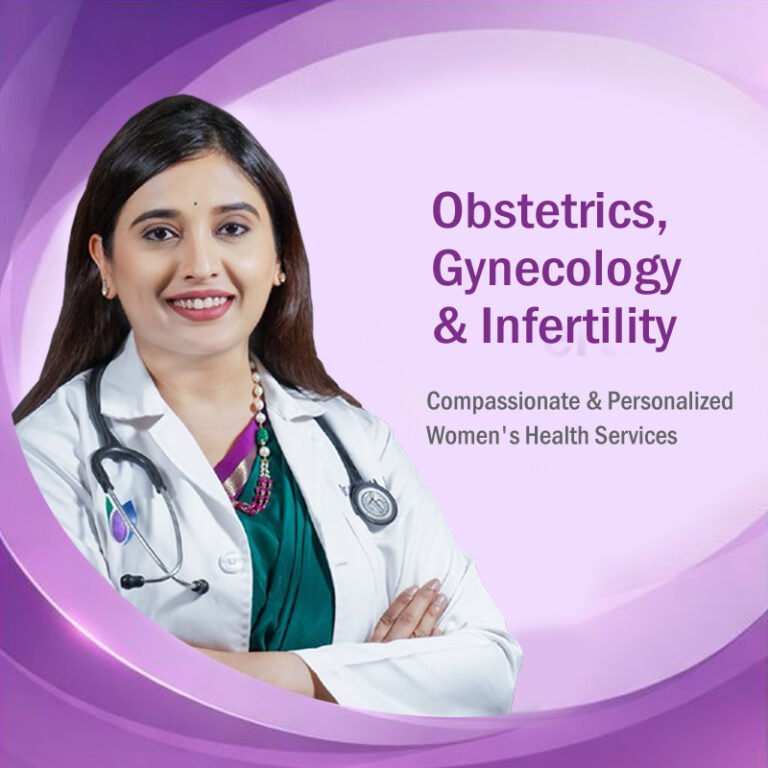
Meet Your Doctor: Dr. Samiksha Jain
Dr. Samiksha Jain is an experienced Obstetrician, Gynecologist, and Fertility Specialist committed to providing comprehensive care for women with reproductive health concerns. She completed her MBBS followed by an MD (Obstetrics & Gynecology) as a Gold Medalist and further enhanced her expertise through a Fellowship in Reproductive Medicine (Bangalore), Fellowship in Minimal Access Surgery (Bangalore), and an Advanced Diploma in Reproductive Medicine (Germany).
Her clinical expertise includes diagnosis and treatment of menstrual disorders, infertility, polycystic ovarian disease, uterine fibroids, endometriosis, ovarian cysts, pelvic infections, high-risk pregnancy management, minimally invasive gynecological surgery, and advanced fertility treatments. Dr. Samiksha Jain believes in providing individualized treatment plans based on each woman’s age, symptoms, reproductive goals, and overall health while maintaining a compassionate and patient-centered approach.
Understanding the Female Reproductive System
The female reproductive system is a complex group of organs and hormones that work together to regulate menstruation, ovulation, conception, pregnancy, and childbirth. The ovaries produce eggs and reproductive hormones, the fallopian tubes transport the egg, the uterus supports pregnancy, the cervix connects the uterus to the vagina, and the vagina serves as the birth canal and reproductive passage.
Healthy functioning of each component is necessary for normal menstrual cycles, fertility, pregnancy, and hormonal balance. Diseases affecting any part of this system may cause symptoms ranging from mild discomfort to significant reproductive and general health problems.
Common Reproductive System Diseases
Numerous medical conditions can affect the female reproductive organs. Some are caused by hormonal imbalance, while others result from infections, structural abnormalities, inflammation, or age-related changes.
Common reproductive system diseases include:
- PCOD/PCOS (Polycystic Ovary Syndrome)
- Fibroids, Endometriosis & Ovarian Cysts
- Pelvic inflammatory disease (PID)
- Uterine polyps
- Cervical disorders
- Abnormal uterine bleeding
- Menstrual disorders
- Vaginal and reproductive tract infections
- Hormonal disorders affecting ovulation
- Infertility-related reproductive conditions
Many of these conditions respond well to treatment when diagnosed early, highlighting the importance of regular gynecological examinations.
Symptoms That Should Not Be Ignored
Reproductive system diseases often present with symptoms that gradually become more noticeable over time. While many symptoms may result from non-serious conditions, persistent complaints should always be evaluated by a qualified gynecologist.
Common warning signs include:
- Irregular menstrual cycles
- Heavy menstrual bleeding
- Painful menstruation
- Persistent pelvic pain
- Abnormal vaginal discharge
- Pain during sexual intercourse
- Difficulty becoming pregnant
- Bleeding between menstrual periods
- Bleeding after menopause
- Lower abdominal swelling or bloating
- Frequent urinary symptoms
- Persistent vaginal itching or irritation
Women should never ignore persistent reproductive symptoms because early diagnosis frequently allows simpler treatment and better long-term outcomes.
What Causes Reproductive System Diseases?
Reproductive diseases develop due to a wide range of factors. Hormonal imbalance remains one of the most common causes of menstrual disorders, ovulatory dysfunction, and polycystic ovarian syndrome. Infections affecting the reproductive tract may cause inflammation, pelvic pain, infertility, or chronic pelvic inflammatory disease if left untreated.
Other contributing factors include:
- Hormonal disturbances
- Genetic predisposition
- Chronic medical illnesses
- Obesity
- Poor lifestyle habits
- Sexually transmitted infections
- Immune-related disorders
- Increasing age
- Previous pelvic surgery
- Pregnancy-related complications
Often, more than one factor contributes to the development of reproductive health problems, making individualized evaluation essential.
Conditions That Can Affect Fertility
Several reproductive diseases directly or indirectly affect fertility by interfering with ovulation, fertilization, implantation, or the ability to carry a pregnancy successfully. Conditions such as PCOS, endometriosis, uterine fibroids, pelvic inflammatory disease, tubal blockage, ovarian disorders, and hormonal imbalances are among the leading causes of female infertility.
Women who experience difficulty conceiving for an appropriate period should undergo comprehensive Male & Female Fertility Evaluation. Depending on the diagnosis, treatment options may include lifestyle modification, medications, ovulation induction, minimally invasive surgery, IUI, or IVF.
Early fertility assessment increases the opportunity for successful treatment while reducing unnecessary delays.
Diagnosis of Reproductive System Diseases
Accurate diagnosis begins with a detailed medical history and physical examination. The gynecologist evaluates menstrual history, symptoms, reproductive history, previous pregnancies, medications, lifestyle factors, and family medical history. Depending on the patient’s condition, additional investigations may be recommended.
Diagnostic tools commonly include:
- Pelvic examination
- Ultrasound imaging
- Transvaginal ultrasound
- Blood investigations
- Hormonal profile
- Pap smear
- HPV testing where indicated
- Hysteroscopy
- Laparoscopy
- Biopsy when clinically necessary
Modern diagnostic techniques allow many reproductive diseases to be identified accurately while helping doctors develop individualized treatment strategies.
Importance of Early Treatment
Many reproductive system diseases become progressively more difficult to manage when diagnosis is delayed. Untreated infections may spread, hormonal disorders may worsen, chronic pelvic pain may become persistent, and fertility problems may become increasingly complex. Early medical intervention helps relieve symptoms, preserve reproductive function, improve fertility outcomes, and reduce the likelihood of major complications.
Routine gynecological consultations, regular Antenatal Checkups during pregnancy, and preventive women’s health evaluations remain essential components of comprehensive reproductive healthcare.
When Should You Consult a Gynecologist?
Women should schedule a gynecological consultation whenever they experience persistent menstrual irregularities, pelvic pain, infertility, abnormal vaginal bleeding, unusual discharge, recurrent urinary symptoms, or concerns regarding reproductive health. Even in the absence of symptoms, periodic preventive examinations help identify diseases before they become advanced.
Seeking medical advice early allows many reproductive disorders to be treated successfully while supporting long-term reproductive health and overall well-being.
Treatment Options for Reproductive System Diseases
The treatment of reproductive system diseases depends on the underlying condition, the severity of symptoms, the patient’s age, reproductive goals, overall health, and whether fertility preservation is desired. Modern gynecology focuses on providing personalized treatment plans that address both the immediate symptoms and the long-term reproductive health of each woman.
Depending on the diagnosis, treatment options may include:
- Medical management with appropriate medications
- Hormonal therapy for hormonal disorders
- Antibiotics for bacterial infections when indicated
- Lifestyle modification and nutritional counseling
- Pain management for chronic pelvic conditions
- Minimally invasive gynecological surgery
- Fertility treatments for women planning pregnancy
- Regular follow-up and monitoring
Every treatment plan is individualized to provide effective symptom relief while preserving reproductive health whenever possible.
Medical Management of Common Reproductive Disorders
Many reproductive system diseases can be successfully managed with medications, particularly when diagnosed at an early stage. Hormonal therapies may be prescribed for menstrual irregularities, ovulation disorders, endometriosis, or PCOD/PCOS. Antibiotics are used to treat confirmed bacterial reproductive tract infections, while pain-relieving medications may help manage symptoms associated with certain gynecological conditions.
Patients are encouraged to follow their treatment plan carefully and attend regular follow-up appointments. Self-medication or discontinuing prescribed medicines without medical advice can delay recovery and increase the risk of complications.
Role of Minimally Invasive Surgery
When medication alone is not sufficient, minimally invasive gynecological surgery may be recommended. Laparoscopy and hysteroscopy have transformed the management of many reproductive disorders by allowing accurate diagnosis and treatment through small incisions or natural body openings.
These procedures are commonly used for selected cases involving:
- Endometriosis
- Uterine fibroids
- Ovarian cysts
- Uterine polyps
- Pelvic adhesions
- Certain causes of infertility
- Abnormal uterine bleeding
Compared with traditional open surgery, minimally invasive procedures often provide advantages such as reduced postoperative pain, shorter hospital stay, faster recovery, smaller scars, and earlier return to normal daily activities. Women requiring surgical management may benefit from advanced Laparoscopy & Hysteroscopy services whenever clinically appropriate.
Fertility Preservation and Reproductive Planning
Many reproductive diseases affect fertility, making early evaluation especially important for women planning pregnancy. Conditions such as PCOS, endometriosis, fibroids, ovarian disorders, and tubal disease can interfere with conception if left untreated. Fortunately, timely diagnosis and appropriate treatment often improve reproductive outcomes.
Women experiencing infertility may undergo comprehensive Male & Female Fertility Evaluation to identify the underlying cause. Depending on the findings, treatment options may include ovulation induction, minimally invasive surgery, IUI, IVF, or other assisted reproductive techniques.
For women requiring treatments that could affect future fertility, options such as Egg & Sperm Freezing may also be discussed when medically appropriate.
Lifestyle Changes That Support Reproductive Health
Healthy lifestyle habits play an important role in preventing and managing many reproductive disorders. Although lifestyle changes may not cure every condition, they can improve hormonal balance, support treatment outcomes, reduce symptoms, and enhance overall reproductive health.
Important lifestyle recommendations include:
- Maintaining a healthy body weight
- Eating a balanced diet rich in fruits, vegetables, whole grains, and lean protein
- Engaging in regular physical activity
- Managing stress effectively
- Getting adequate sleep
- Avoiding smoking, tobacco, and excessive alcohol consumption
- Practicing safe sexual health
- Following prescribed treatment plans consistently
Combining healthy lifestyle practices with evidence-based medical treatment often provides the best long-term outcomes.
Preventive Gynecological Care
Prevention and early detection remain key components of women’s healthcare. Regular gynecological examinations allow doctors to identify abnormalities before they progress into more serious conditions. Women should not wait until symptoms become severe before seeking medical attention.
Preventive care may include:
- Routine gynecological examinations
- Pap smear and cervical screening where appropriate
- HPV vaccination according to medical recommendations
- Timely treatment of infections
- Evaluation of menstrual irregularities
- Pregnancy planning and preconception counseling
- Regular Antenatal Checkups during pregnancy
Preventive healthcare not only supports reproductive health but also contributes to overall physical well-being throughout every stage of life.
Why Choose Dr. Samiksha Jain for Reproductive System Disease Treatment?
Successful management of reproductive system diseases requires accurate diagnosis, personalized treatment planning, and long-term follow-up. Dr. Samiksha Jain combines advanced expertise in obstetrics, gynecology, reproductive medicine, and minimally invasive surgery to provide comprehensive women’s healthcare under one roof.
Her services include diagnosis and treatment of menstrual disorders, PCOD/PCOS, Fibroids, Endometriosis & Ovarian Cysts, infertility evaluation, IVF, IUI, pregnancy care, minimally invasive gynecological procedures, and preventive women’s health services.
Women in Nagpur, Maharashtra, India receive compassionate, evidence-based, and individualized care focused on improving reproductive health, preserving fertility whenever possible, and enhancing long-term quality of life.
Frequently Asked Questions
1. What are the common symptoms of reproductive system diseases?
Common symptoms include irregular menstrual periods, pelvic pain, abnormal vaginal discharge, heavy menstrual bleeding, painful periods, infertility, pain during sexual intercourse, and recurrent reproductive tract infections. These symptoms should be evaluated by a gynecologist.
2. Can reproductive system diseases cause infertility?
Yes. Conditions such as PCOS, endometriosis, uterine fibroids, pelvic inflammatory disease (PID), and fallopian tube blockage can affect fertility. Early diagnosis and appropriate treatment can improve the chances of achieving pregnancy.
3. Does every reproductive system disease require surgery?
No. Many reproductive conditions can be effectively managed with medications, hormone therapy, lifestyle modifications, and regular follow-up. Surgery is recommended only in selected cases when it is medically necessary.
4. What are the benefits of laparoscopic surgery?
Laparoscopic surgery offers several advantages, including smaller incisions, less postoperative pain, reduced blood loss, faster recovery, minimal scarring, and a shorter hospital stay compared to conventional open surgery.
5. When should I undergo a fertility evaluation?
If you are unable to achieve pregnancy after an appropriate period of trying to conceive, or if you have menstrual irregularities or ovulation-related problems, it is advisable to undergo a Male & Female Fertility Evaluation to identify the underlying cause and plan appropriate treatment.
6. How can reproductive infections be prevented?
Maintaining good personal hygiene, practicing safe sex, seeking timely treatment for infections, and attending regular gynecological checkups can help reduce the risk of reproductive tract infections and support overall reproductive health.
7. Can a healthy lifestyle improve reproductive health?
Yes. A healthy diet, regular physical activity, effective stress management, adequate sleep, and maintaining a healthy body weight all contribute to better hormonal balance and improved reproductive health.
8. Which symptoms require immediate consultation with a gynecologist?
You should seek prompt medical attention if you experience heavy vaginal bleeding, severe pelvic pain, persistent abnormal vaginal discharge, pelvic pain accompanied by fever, bleeding after menopause, or concerns related to infertility.
Reproductive System Disease Treatment in Nagpur focuses on protecting women’s reproductive health through early diagnosis, accurate evaluation, personalized treatment, and continuous follow-up. From hormonal disorders and menstrual irregularities to infections, fibroids, endometriosis, ovarian cysts, and infertility-related conditions, timely medical care helps relieve symptoms, preserve fertility, and prevent long-term complications. Modern gynecology offers a wide range of treatment options, including medications, minimally invasive surgery, fertility treatments, and preventive healthcare, enabling women to receive comprehensive care tailored to their individual needs.
For women in Nagpur, Maharashtra, India, Dr. Samiksha Jain provides expert gynecological care supported by advanced diagnostic techniques, evidence-based treatment, and compassionate guidance. Whether the goal is symptom relief, fertility preservation, pregnancy planning, or long-term reproductive wellness, individualized care helps women achieve better health and improved quality of life at every stage.