Many women assume that irregular periods are normal or that acne and unwanted facial hair are simply cosmetic problems. However, these symptoms may indicate an underlying hormonal imbalance that deserves proper medical attention. PCOD and PCOS affect much more than the menstrual cycle. They can interfere with ovulation, reduce fertility, increase insulin resistance, contribute to weight gain, raise the risk of diabetes, affect cholesterol levels, and impact emotional health. Modern treatment focuses not only on controlling symptoms but also on addressing the root hormonal imbalance while protecting future reproductive health. Depending on individual needs, treatment may also involve Advanced Infertility Treatment, Male & Female Fertility Evaluation, Laparoscopy & Hysteroscopy, and comprehensive reproductive planning.
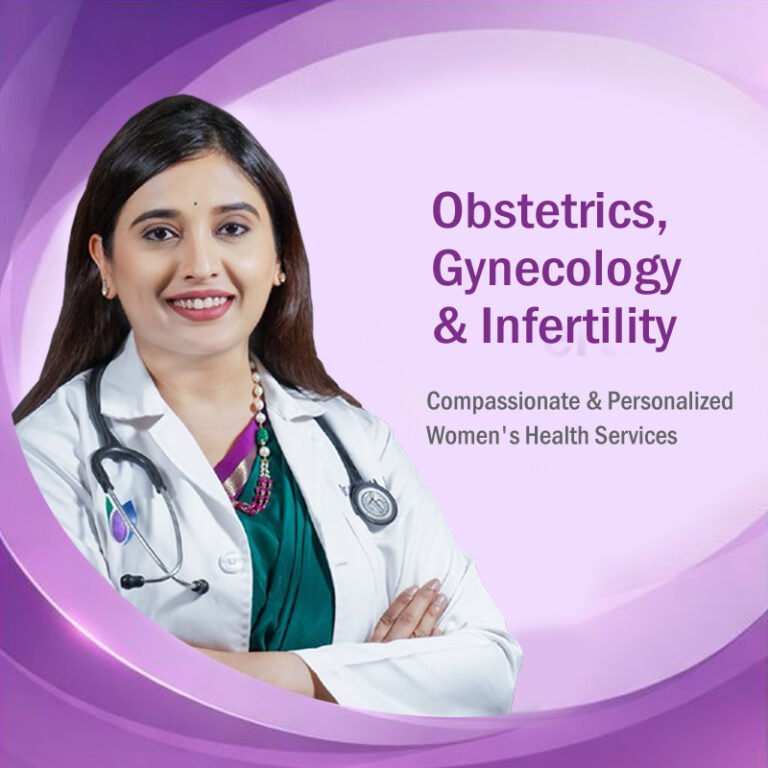
Meet Your Doctor: Dr. Samiksha Jain
Dr. Samiksha Jain is an accomplished Obstetrician, Gynecologist, and Fertility Specialist dedicated to providing evidence-based and compassionate care for women across every stage of life. She completed MBBS followed by MD (Obstetrics & Gynecology) as a Gold Medalist and further specialized through Fellowship in Reproductive Medicine (Bangalore), Fellowship in Minimal Access Surgery (Bangalore), and an Advanced Diploma in Reproductive Medicine (Germany). Her expertise allows her to manage hormonal disorders, infertility, pregnancy care, and advanced gynecological conditions using a patient-centered approach.
Women suffering from PCOD or PCOS often require more than temporary symptom relief. They need careful hormonal assessment, menstrual regulation, fertility planning, metabolic evaluation, and long-term follow-up. Dr. Samiksha Jain’s background in reproductive medicine enables her to create personalized treatment plans that not only improve menstrual health but also support future pregnancy goals whenever desired. Her comprehensive approach benefits women throughout Nagpur, in Maharashtra, in India who are seeking both immediate symptom control and long-term reproductive wellness.
Understanding PCOD and PCOS
PCOD (Polycystic Ovarian Disease) and PCOS (Polycystic Ovary Syndrome) are hormonal disorders that interfere with the normal functioning of the ovaries. Normally, the ovaries mature and release an egg during each menstrual cycle through a process called ovulation. In women with PCOD or PCOS, this process becomes irregular or may stop altogether because of hormonal imbalance. As a result, multiple immature follicles may remain inside the ovaries, creating the characteristic “polycystic” appearance seen on ultrasound in many patients.
Although PCOD and PCOS are often discussed together, PCOS is generally considered a more complex endocrine disorder that involves not only ovarian dysfunction but also metabolic and hormonal abnormalities affecting multiple body systems. Some women mainly experience irregular periods, while others develop acne, excessive hair growth, weight gain, insulin resistance, infertility, or difficulty maintaining a healthy metabolism. The severity varies significantly from one woman to another, making individualized diagnosis extremely important.
For women living in Nagpur, in Maharashtra, in India, recognizing these symptoms early allows treatment to begin before long-term complications develop. With proper medical guidance, lifestyle modifications, and appropriate therapy, most women successfully manage PCOD or PCOS while maintaining good reproductive and overall health.
What Causes PCOD and PCOS?
The exact cause of PCOD and PCOS is not completely understood, but research suggests that several factors work together. Hormonal imbalance plays the central role. Increased androgen (male hormone) levels, insulin resistance, abnormal ovarian function, chronic low-grade inflammation, and genetic predisposition all contribute to the development of these disorders. Women with a family history of PCOS are often at a higher risk of developing similar hormonal problems.
Insulin resistance is one of the most important underlying mechanisms in many women with PCOS. When body cells become less responsive to insulin, the pancreas produces more insulin to compensate. Elevated insulin levels stimulate the ovaries to produce more androgens, which further disrupt ovulation and menstrual cycles. This hormonal cycle can contribute to weight gain, difficulty losing weight, irregular periods, acne, and fertility problems.
Lifestyle factors such as physical inactivity, obesity, poor dietary habits, chronic stress, and inadequate sleep do not necessarily cause PCOD or PCOS on their own, but they may worsen existing hormonal imbalances. Early intervention helps interrupt this cycle before significant complications develop.
Common Signs and Symptoms of PCOD/PCOS
Symptoms vary widely because hormonal imbalance affects different women in different ways. Some women develop only mild menstrual irregularity, while others experience multiple reproductive, dermatological, and metabolic symptoms simultaneously. One woman may primarily struggle with infertility, while another may seek treatment because of acne or unwanted facial hair. Understanding this variability is essential because no two patients present exactly the same clinical picture.
Common symptoms include:
- Irregular menstrual cycles
- Missed or delayed periods
- Absent ovulation
- Difficulty conceiving
- Weight gain or difficulty losing weight
- Acne and oily skin
- Excess facial or body hair (hirsutism)
- Hair thinning or scalp hair loss
- Darkened skin around the neck or underarms
- Mood changes
- Fatigue
- Insulin resistance
Not every woman experiences every symptom. Some patients maintain a normal body weight yet still have PCOS, while others primarily struggle with metabolic concerns. This is why comprehensive evaluation is much more important than relying on symptoms alone.
How PCOD and PCOS Affect Fertility
One of the most common concerns among women diagnosed with PCOD or PCOS is infertility. Since regular ovulation is essential for natural conception, irregular or absent ovulation significantly reduces the chances of pregnancy. However, it is important to understand that PCOS does not automatically mean permanent infertility. Most women can conceive successfully with appropriate medical guidance and individualized treatment.
Ovulation induction medications, hormonal regulation, lifestyle improvement, weight management, and fertility monitoring often restore ovulation in many patients. When additional support is required, treatments such as IUI, IVF, or ICSI may be considered depending on the couple’s complete fertility evaluation.
Because fertility depends on both partners, women with PCOD are frequently advised to undergo comprehensive Male & Female Fertility Evaluation. This ensures that treatment targets every contributing factor rather than focusing solely on ovarian function.
How PCOD and PCOS Are Diagnosed
Diagnosis involves much more than an ultrasound report. A complete assessment includes detailed menstrual history, symptom evaluation, physical examination, hormonal investigations, metabolic assessment, and pelvic ultrasound. Blood tests may evaluate reproductive hormones, thyroid function, prolactin levels, blood sugar, insulin status, and other endocrine parameters depending on the patient’s symptoms.
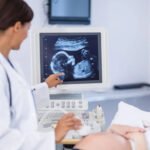
Pelvic ultrasound helps identify the appearance of multiple immature follicles within the ovaries, but ultrasound findings alone do not confirm PCOS. Some healthy women may have polycystic ovaries without hormonal disease, while some women with PCOS may not demonstrate classic ultrasound findings. Therefore, diagnosis always combines clinical symptoms with laboratory and imaging findings.
A detailed evaluation also helps exclude other conditions that can mimic PCOS, ensuring accurate diagnosis before treatment begins. Women receiving expert care in Nagpur, in Maharashtra, in India benefit from this systematic approach because treatment becomes far more individualized.
Lifestyle Changes: The Foundation of Treatment
Regardless of whether medication is required, lifestyle modification remains one of the most important aspects of PCOD and PCOS management. Even modest improvements in body weight, nutrition, physical activity, sleep quality, and stress reduction can significantly improve hormonal balance in many women. Lifestyle changes help reduce insulin resistance, improve ovulation, regulate menstrual cycles, and enhance fertility potential.
A balanced diet rich in whole grains, lean proteins, vegetables, fruits, healthy fats, and adequate fiber supports better metabolic health. Regular physical activity improves insulin sensitivity and assists with weight management. Good sleep hygiene and stress management further contribute to hormonal regulation. These measures do not replace medical treatment when necessary, but they greatly enhance overall treatment success.
Patients are encouraged to avoid crash diets or unrealistic weight-loss programs. Sustainable lifestyle changes produce better long-term outcomes than temporary measures. Because every patient responds differently, individualized dietary and exercise recommendations are usually far more effective than generalized advice.
Medical Treatment Options for PCOD/PCOS
Medical treatment depends entirely on the woman’s symptoms, age, reproductive goals, and metabolic health. Women not planning pregnancy may receive hormonal treatment to regulate menstrual cycles and reduce androgen-related symptoms such as acne or excessive hair growth. Women wishing to conceive require a completely different treatment strategy focused on restoring ovulation and optimizing fertility.
Depending on the clinical situation, treatment may include medications to regulate menstrual cycles, improve insulin sensitivity, stimulate ovulation, reduce androgen levels, manage acne, or support fertility. Some women require only lifestyle modification, while others benefit from a combination of medication and reproductive planning. Individualization remains the key principle of successful PCOD management.
For women who do not respond adequately to first-line fertility treatments, advanced reproductive options such as Advanced Infertility Treatment, Laparoscopy & Hysteroscopy, IUI, or IVF may be considered based on individual fertility evaluation.
Why Early Treatment Is So Important
Many women postpone treatment because their symptoms initially appear mild. However, untreated PCOD or PCOS may increase the risk of prolonged menstrual irregularity, infertility, obesity, insulin resistance, type 2 diabetes, hypertension, abnormal cholesterol, endometrial problems, and pregnancy-related complications later in life. Early diagnosis allows these risks to be managed proactively.
Seeking treatment early also improves emotional well-being. Women frequently experience anxiety, frustration, reduced self-confidence, and stress because of acne, unwanted hair growth, irregular periods, or difficulty conceiving. Timely intervention helps improve both physical symptoms and overall quality of life. Modern PCOD treatment is therefore not only about hormones—it is about preserving long-term health, fertility, and confidence.
Advanced Fertility Treatment for Women with PCOD/PCOS
Many women diagnosed with PCOD or PCOS worry that they may never become pregnant. Fortunately, this is not true for the majority of patients. While PCOD and PCOS can interfere with ovulation, modern reproductive medicine offers several effective treatment options that help many women conceive successfully. The treatment plan depends on the woman’s age, ovarian reserve, duration of infertility, partner’s fertility status, body weight, hormonal profile, and overall reproductive health. Individualized planning is the key to achieving the best possible outcome.
For many women, restoring regular ovulation through lifestyle modification and medication is enough to achieve pregnancy naturally. Others may require ovulation induction with careful follicular monitoring. If pregnancy does not occur despite regular ovulation or if additional fertility factors are identified, advanced reproductive techniques such as IUI (Intrauterine Insemination), IVF (In Vitro Fertilization), or ICSI (Intracytoplasmic Sperm Injection) may be recommended. Women receiving PCOD/PCOS treatment in Nagpur, in Maharashtra, in India benefit greatly from a personalized fertility strategy rather than a standardized treatment protocol.
Because infertility often involves both partners, fertility planning is usually combined with Male & Female Fertility Evaluation. This comprehensive approach ensures that every contributing factor is identified before deciding the most appropriate reproductive treatment.
Pregnancy Planning with PCOD/PCOS
Women with PCOD or PCOS can have healthy pregnancies with proper planning and medical supervision. Ideally, pregnancy preparation should begin even before conception. The doctor evaluates menstrual regularity, ovulation, body weight, blood sugar, thyroid function, blood pressure, nutritional status, and overall reproductive health before advising pregnancy. This preparation reduces the likelihood of pregnancy complications and improves maternal health from the beginning.
Once pregnancy occurs, regular antenatal monitoring becomes particularly important because some women with PCOS have a higher likelihood of developing gestational diabetes, pregnancy-induced hypertension, or other pregnancy-related complications. Early and consistent prenatal care helps identify these issues before they become serious. Services such as Antenatal Checkup, Complete Maternal Care, and High Risk Pregnancy Management become especially valuable for selected patients.
With appropriate medical guidance, healthy nutrition, exercise, and regular follow-up, the majority of women with PCOD successfully complete pregnancy and deliver healthy babies. The diagnosis should therefore be viewed as a condition requiring management rather than a barrier to motherhood.
Long-Term Health Risks Associated with PCOD/PCOS
PCOD and PCOS extend far beyond reproductive health. Because these disorders often involve insulin resistance and hormonal imbalance, they may increase the long-term risk of metabolic diseases if left untreated. Women may become more susceptible to type 2 diabetes, obesity, hypertension, abnormal cholesterol levels, cardiovascular disease, fatty liver disease, sleep disturbances, and endometrial abnormalities. Early diagnosis provides an opportunity to reduce these risks through proactive management.
Irregular menstruation also means that the uterine lining may not shed regularly in some women. Over many years, prolonged menstrual irregularity can increase the risk of endometrial thickening in selected patients. Regular gynecological follow-up helps ensure that menstrual cycles remain healthy and that appropriate treatment is provided whenever necessary.
This long-term perspective explains why PCOD management should never stop simply because periods become regular for a few months. Continued monitoring helps maintain hormonal balance while protecting future health. Women in Nagpur, in Maharashtra, in India benefit most when PCOD treatment focuses on lifelong wellness rather than temporary symptom control.
The Importance of Weight Management
Weight management is often discussed in PCOD treatment because excess body weight can worsen insulin resistance and hormonal imbalance in many patients. However, every woman with PCOS is not overweight. Lean PCOS is also a recognized clinical presentation. Therefore, treatment recommendations should always be individualized rather than based solely on body weight.
For women who are overweight, even modest weight reduction may improve ovulation, menstrual regularity, fertility, and insulin sensitivity. Sustainable dietary habits combined with regular physical activity usually provide better long-term results than extreme dieting. Nutritional counseling should focus on balanced eating rather than severe calorie restriction.
Weight management should always be viewed as one component of comprehensive treatment rather than the only solution. Medication, hormonal regulation, fertility planning, and long-term follow-up remain equally important depending on each woman’s clinical condition.
Can PCOD/PCOS Be Completely Cured?
One of the most common questions women ask is whether PCOD or PCOS can be permanently cured. The answer depends on how the term “cure” is defined. PCOD and PCOS are chronic hormonal conditions that require long-term management rather than a one-time treatment. Symptoms can often be controlled very effectively, menstrual cycles can become regular, ovulation may return, fertility can improve, and long-term complications can be minimized. However, ongoing healthy lifestyle habits and periodic medical follow-up remain essential.
Many women live completely healthy, productive lives while successfully managing PCOD. The goal of treatment is to restore hormonal balance, improve reproductive function, reduce metabolic risks, relieve symptoms, and preserve future fertility whenever desired. Early diagnosis greatly improves the chances of achieving these goals.
Understanding this distinction helps patients develop realistic expectations. Successful management is measured not by eliminating the diagnosis forever, but by maintaining excellent hormonal and reproductive health over the long term.
When Is Surgery Required?
Most women with PCOD or PCOS do not require surgery. Lifestyle modification and medical treatment remain the primary management strategies. However, surgery may occasionally be considered in selected situations where other gynecological conditions coexist or when infertility evaluation reveals structural abnormalities that require correction.
Procedures such as Laparoscopy & Hysteroscopy may be recommended if there is suspected endometriosis, pelvic adhesions, uterine abnormalities, ovarian cysts, fibroids, or unexplained infertility requiring further evaluation. The purpose of surgery is not to “cure” PCOS itself but to address associated reproductive problems that may interfere with conception or cause persistent symptoms.
The decision is always individualized after detailed assessment by an experienced gynecologist and fertility specialist.
Emotional Well-being and PCOD/PCOS
Living with PCOD or PCOS can affect emotional health as much as physical health. Irregular periods, infertility concerns, acne, unwanted hair growth, body image issues, and repeated treatment attempts may lead to anxiety, frustration, stress, or reduced self-confidence. These emotional challenges deserve attention because mental well-being plays an important role in overall quality of life.
Open communication with the treating doctor, realistic treatment expectations, family support, healthy lifestyle habits, and appropriate counseling whenever needed all contribute to better long-term outcomes. Women should remember that PCOD is extremely common, and effective treatment options are available for most symptoms.
Managing emotional health alongside hormonal health creates a more balanced approach to treatment. Compassionate medical care recognizes both aspects equally.
Why Choosing the Right Gynecologist Matters
Successful PCOD management requires much more than prescribing medication for irregular periods. An experienced gynecologist evaluates the complete hormonal profile, reproductive goals, metabolic health, fertility status, and long-term risk factors before designing an individualized treatment plan. This comprehensive approach ensures that treatment addresses the root causes rather than simply masking symptoms.
Women planning pregnancy particularly benefit from consulting a fertility specialist because reproductive planning often requires coordination between hormonal treatment, ovulation monitoring, fertility evaluation, and pregnancy care. Services including Advanced Infertility Treatment, IVF, IUI, and later Delivery or Childbirth planning may all become part of the same reproductive journey.
Women seeking PCOD/PCOS treatment in Nagpur, in Maharashtra, in India benefit from choosing specialists who combine reproductive medicine expertise with comprehensive women’s healthcare. This continuity provides better long-term outcomes while supporting both present and future health goals.
Frequently Asked Questions
1. What is the difference between PCOD and PCOS?
PCOD (Polycystic Ovarian Disease) and PCOS (Polycystic Ovary Syndrome) are both hormonal disorders, but PCOS is generally considered a more complex hormonal and metabolic condition. Both can affect the ovaries and ovulation, but the treatment approach is individualized based on each patient’s symptoms, health status, and fertility goals.
2. Is pregnancy possible with PCOS?
Yes. Many women with PCOS achieve successful pregnancies naturally or with appropriate medical treatment. Ovulation induction, lifestyle modifications, and fertility treatments when necessary can significantly improve the chances of conception.
3. Can weight loss cure PCOS?
Weight management can improve hormonal balance and reduce insulin resistance, which may help relieve PCOS symptoms. However, treatment is not based solely on weight loss, as lean women can also have PCOS. Therefore, an individualized treatment plan is essential.
4. Is PCOD a permanent condition?
PCOD is a long-term hormonal condition that can be effectively managed with appropriate medical treatment, a healthy lifestyle, and regular follow-up care. Although it may not be permanently cured, its symptoms can often be well controlled.
5. Does every woman with PCOS need IVF?
No. Many women with PCOS conceive successfully with medications and ovulation induction alone. Advanced fertility treatments such as IVF are recommended only in selected cases where simpler treatment options are not successful or medically appropriate.
6. What are the common symptoms of PCOS?
Common symptoms of PCOS include irregular menstrual periods, acne, excessive facial or body hair growth, weight gain, infertility, scalp hair thinning, insulin resistance, and hormonal imbalance. The symptoms and their severity vary from one woman to another.
7. Does PCOS increase the risk of diabetes?
Yes. Due to insulin resistance, many women with PCOS have an increased risk of developing type 2 diabetes in the future. Regular health checkups, healthy eating habits, physical activity, and lifestyle management are important for reducing this risk.
8. Is PCOS treatment necessary after pregnancy?
Yes. Even after childbirth, regular follow-up is important to maintain hormonal balance, menstrual health, and long-term metabolic well-being. Ongoing gynecological care helps protect future reproductive health and reduces the risk of long-term complications.
PCOD/PCOS Treatment in Nagpur is not limited to managing irregular periods alone. It is a comprehensive approach that addresses hormonal balance, fertility, metabolism, emotional well-being, and long-term women’s health. With early diagnosis, individualized treatment, healthy lifestyle modifications, and expert gynecological guidance, most women successfully control their symptoms, protect their fertility, and lead healthy lives.
For women in Nagpur, in Maharashtra, in India, choosing an experienced gynecologist and fertility specialist ensures that treatment is personalized according to individual health goals rather than a one-size-fits-all approach. Whether the priority is menstrual regulation, pregnancy planning, infertility management, or lifelong hormonal wellness, comprehensive PCOD/PCOS care provides the foundation for better reproductive health and an improved quality of life.