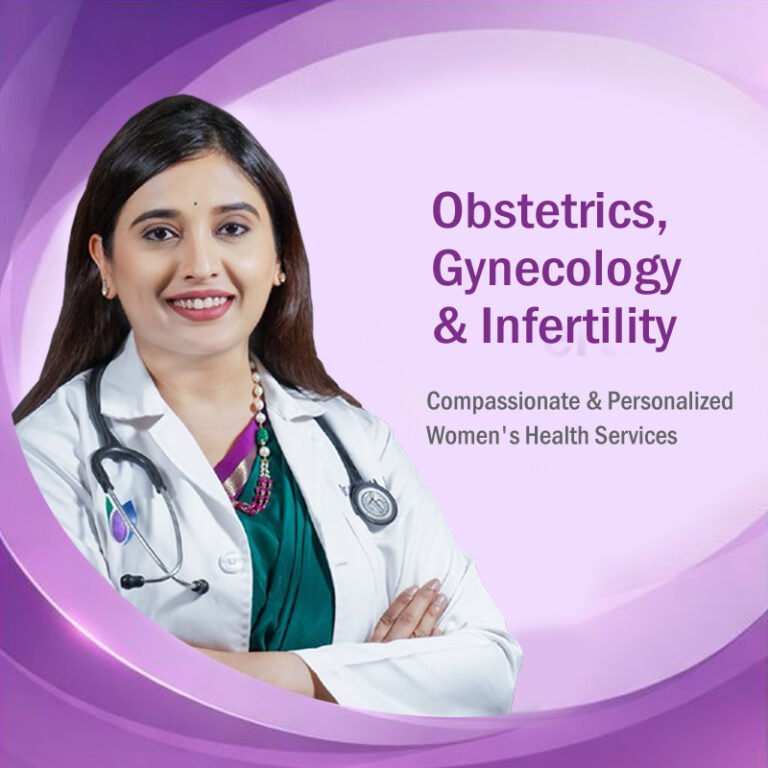
Meet Your Doctor: Dr. Samiksha Jain
Dr. Samiksha Jain is a highly experienced Obstetrician, Gynecologist, and Fertility Specialist committed to providing comprehensive women’s healthcare through every stage of reproductive life. She completed her MBBS followed by MD (Obstetrics & Gynecology) as a Gold Medalist and further enhanced her expertise through Fellowship in Reproductive Medicine (Bangalore), Fellowship in Minimal Access Surgery (Bangalore), and an Advanced Diploma in Reproductive Medicine (Germany). Her specialized training enables her to provide advanced fertility care, pregnancy management, minimally invasive gynecological surgery, and personalized family planning services.
Her approach to family planning emphasizes education, informed decision-making, and individualized care. Every recommendation is based on the patient’s age, reproductive goals, medical history, lifestyle, and future pregnancy plans. Whether a woman wishes to delay pregnancy, conceive naturally, seek fertility treatment, or consider permanent contraception, Dr. Samiksha Jain develops a treatment plan tailored to her unique needs. Women across Nagpur, in Maharashtra, in India benefit from her holistic and compassionate approach to reproductive healthcare.
What Is Family Planning?
Family planning refers to the process of helping individuals and couples decide if, when, and how they want to have children. It includes medical counseling, contraceptive services, fertility evaluation, pregnancy planning, reproductive health screening, and permanent contraceptive procedures. The goal is to allow families to make informed decisions while protecting maternal and child health through safe reproductive practices. International health organizations recognize family planning as an essential component of reproductive healthcare that improves the timing and spacing of pregnancies.
Modern family planning is highly personalized. Some couples require contraception to postpone pregnancy, while others seek fertility treatment because conception has become difficult. Family planning therefore supports both pregnancy prevention and pregnancy achievement. This broad approach ensures that every patient receives guidance appropriate to their individual circumstances.
Rather than following a single method for everyone, family planning considers multiple factors including age, overall health, existing medical conditions, menstrual history, fertility status, previous pregnancies, family goals, and personal preferences. This individualized approach has made family planning an important part of comprehensive gynecological care in Nagpur, in Maharashtra, in India.
Why Family Planning Is Important
Proper family planning benefits women, babies, and families as a whole. Planned pregnancies allow couples to prepare physically, emotionally, and financially before conception. Appropriate spacing between pregnancies also supports maternal recovery and contributes to healthier pregnancy outcomes. Women with chronic medical conditions such as diabetes, hypertension, thyroid disorders, or hormonal imbalance benefit from medical optimization before attempting conception.
Family planning also helps reduce unintended pregnancies, improves maternal nutrition before pregnancy, allows early management of reproductive disorders, and creates opportunities for healthier prenatal care. Women who plan pregnancy often begin folic acid supplementation, optimize body weight, control chronic diseases, and undergo reproductive screening before conception.
Couples who receive proper family planning counseling often feel more confident because they understand the available options, expected outcomes, and future reproductive possibilities. This informed decision-making forms the cornerstone of quality reproductive healthcare.
Who Can Benefit from Family Planning Services?
Family planning services are beneficial for women and couples at many different stages of life. Newly married couples who wish to delay pregnancy may require temporary contraceptive methods. Couples planning their first child often seek preconception counseling to optimize maternal health before pregnancy. Women experiencing infertility require fertility evaluation and treatment planning. Families who have completed childbearing may consider permanent contraceptive procedures.
Women with medical conditions such as PCOD, thyroid disorders, diabetes, hypertension, epilepsy, obesity, or autoimmune diseases also benefit from specialized pregnancy planning. Careful medical optimization before conception reduces pregnancy risks and improves outcomes for both mother and baby.
Family planning is equally valuable after childbirth. Following Delivery or Childbirth, couples often seek advice regarding appropriate birth spacing and postpartum contraception. Individualized counseling helps ensure reproductive health remains protected throughout every stage of family life.
Temporary Family Planning Methods
Temporary contraceptive methods allow couples to delay pregnancy while preserving future fertility. The choice depends on age, lifestyle, health conditions, breastfeeding status, menstrual history, and future reproductive plans. Modern contraceptive options provide highly effective pregnancy prevention while allowing fertility to return after discontinuation in most cases.
Temporary family planning options may include:
- Oral contraceptive pills
- Barrier methods such as condoms
- Intrauterine devices (IUDs)
- Hormonal intrauterine systems
- Injectable contraceptives
- Contraceptive implants
- Natural fertility awareness methods
- Emergency contraception when medically appropriate
The most suitable option varies for each individual. A gynecologist evaluates medical history, age, smoking status, blood pressure, hormonal conditions, and reproductive goals before recommending an appropriate contraceptive method.
Permanent Family Planning Surgeries
Permanent contraception is intended for individuals or couples who have completed their families and are certain they do not wish to have future pregnancies. Permanent family planning surgeries provide long-term contraception without requiring ongoing medication or repeated procedures. These surgeries are performed only after careful counseling because they are considered permanent reproductive decisions.
For women, tubal sterilization blocks or seals the fallopian tubes, preventing the egg and sperm from meeting. For men, vasectomy prevents sperm from entering the semen while preserving normal hormonal function. Both procedures are highly effective, but they should only be chosen after thoughtful discussion with an experienced healthcare professional.
Counseling before permanent sterilization includes discussion about age, future reproductive goals, existing family size, possible alternatives, medical history, and informed consent. This careful approach helps ensure that the chosen method remains appropriate for the patient’s long-term plans.
Preconception Counseling: Planning for a Healthy Pregnancy
One of the most valuable components of family planning is preconception counseling. Rather than waiting until pregnancy occurs, couples meet the gynecologist beforehand to optimize health before conception. This evaluation may include nutritional assessment, vaccination review, medication adjustments, chronic disease management, genetic history, and reproductive health screening.
Women planning pregnancy may receive advice regarding folic acid supplementation, healthy body weight, blood sugar control, thyroid function, exercise, nutrition, and lifestyle habits. Existing gynecological disorders such as PCOD/PCOS Treatment, fibroids, or endometriosis can also be managed before conception, improving pregnancy outcomes.
Couples who receive proper preconception care often begin pregnancy in better physical health, reducing complications during the antenatal period. This preparation becomes especially important for women with previous miscarriages, infertility, or high-risk medical conditions.
Family Planning and Fertility Treatment
Family planning is not limited to preventing pregnancy—it also includes helping couples achieve pregnancy when conception becomes difficult. Couples unable to conceive after appropriate attempts may require fertility evaluation to identify underlying reproductive issues. Assessment includes ovulation evaluation, semen analysis, hormonal investigations, ultrasound, and additional testing when required.
Depending on the diagnosis, treatment may involve lifestyle modification, ovulation induction, Male & Female Fertility Evaluation, Laparoscopy & Hysteroscopy, IUI, or IVF. Integrating fertility care within family planning ensures that both pregnancy prevention and pregnancy achievement receive equal attention according to each couple’s goals.
Choosing the Right Family Planning Method
No single family planning method is ideal for everyone. The best choice depends on multiple factors including age, medical history, reproductive goals, menstrual health, breastfeeding status, convenience, effectiveness, and future pregnancy plans. A thorough consultation allows the gynecologist to explain the advantages, limitations, effectiveness, and suitability of each available option.
Individualized counseling helps patients make informed decisions rather than selecting contraception based on myths or incomplete information. Safe family planning begins with accurate medical guidance and continues through regular follow-up whenever needed.
Family Planning After Childbirth
The period following childbirth is an important time to discuss future reproductive goals and appropriate contraception. Many couples assume that pregnancy cannot occur soon after delivery, particularly while breastfeeding, but fertility may return earlier than expected in some women. Therefore, postpartum family planning helps couples avoid unintended pregnancies and allows adequate spacing between children. Proper birth spacing gives the mother’s body sufficient time to recover physically, nutritionally, and emotionally before the next pregnancy.
The most suitable contraceptive method after childbirth depends on several factors, including breastfeeding status, mode of delivery, overall health, medical history, and future pregnancy plans. Some women may choose temporary contraception for a few years, while others who have completed their families may consider permanent sterilization procedures. Individual counseling ensures that each woman receives a method that is both safe and appropriate for her circumstances.
Women receiving care through Delivery or Childbirth, Complete Maternal Care, and Antenatal Checkup often discuss postpartum family planning even before delivery so that they are well prepared after the baby is born. This proactive approach supports healthier pregnancies and long-term maternal well-being.
Contraception During Breastfeeding
Breastfeeding offers many health benefits for both mother and baby, but it should not be considered a completely reliable contraceptive method unless specific medical criteria are fulfilled. Some breastfeeding women may temporarily experience delayed ovulation, while others regain fertility much earlier. Therefore, medical guidance is essential before relying solely on breastfeeding for pregnancy prevention.
Several contraceptive options are considered suitable during breastfeeding, depending on the woman’s health and personal preferences. The gynecologist carefully evaluates breastfeeding status, postpartum recovery, menstrual history, and future fertility plans before recommending an appropriate method. Choosing the right contraception allows mothers to continue breastfeeding confidently while protecting their reproductive health.
Individualized counseling also helps mothers understand when fertility may return after childbirth and when contraception should ideally be started. This reduces confusion and helps prevent unintended pregnancies during the postpartum period.
Fertility Preservation and Future Family Planning
Not every woman is ready to conceive during her reproductive years. Some women may wish to delay pregnancy because of education, career goals, personal circumstances, or medical treatment. Fertility preservation has therefore become an increasingly valuable component of modern family planning. Rather than focusing only on contraception, reproductive specialists now help women protect their future fertility through individualized planning.
Women who may require cancer treatment, advanced reproductive planning, or delayed parenthood can discuss fertility preservation options such as Egg & Sperm Freezing. This approach allows reproductive potential to be preserved while future pregnancy remains possible when the timing becomes appropriate.
Family planning therefore extends beyond preventing pregnancy—it also supports women who wish to become mothers later in life. Personalized counseling helps determine whether fertility preservation may be beneficial based on age, ovarian reserve, reproductive goals, and overall health.
Benefits of Planned Pregnancy
Planning pregnancy offers numerous advantages for both the mother and the developing baby. Couples who prepare before conception often begin pregnancy in better physical and emotional health. Chronic medical conditions such as diabetes, hypertension, thyroid disorders, anemia, or hormonal imbalance can be managed before conception, reducing pregnancy-related complications.
Preconception counseling also provides an opportunity to optimize nutrition, begin folic acid supplementation, update vaccinations where appropriate, review medications, and address lifestyle factors such as smoking, alcohol consumption, sleep, and exercise. These preparations create a healthier environment for fetal development from the earliest stages of pregnancy.
Women with reproductive disorders such as PCOD/PCOS Treatment, endometriosis, fibroids, or previous infertility often benefit from addressing these conditions before attempting conception. Planned pregnancy allows these issues to be managed proactively, improving both maternal and fetal outcomes.
Common Myths About Family Planning
Despite increasing awareness, many misconceptions about family planning continue to exist. One common myth is that contraception permanently affects fertility. In reality, most temporary contraceptive methods allow fertility to return after discontinuation, although the timing may vary depending on the method used. Another misconception is that only women are responsible for contraception. In fact, family planning is a shared responsibility that involves both partners making informed decisions together.
Some people also believe that contraception is necessary only after having children. However, family planning is relevant at every stage of reproductive life, including delaying the first pregnancy, spacing pregnancies, preparing for conception, or choosing permanent contraception after completing the family. Accurate medical information helps replace myths with evidence-based understanding.
Consulting a qualified gynecologist allows patients to receive scientifically accurate guidance rather than relying on incomplete or misleading information from non-medical sources.
When Should You Consult a Gynecologist for Family Planning?
It is advisable to consult a gynecologist whenever important reproductive decisions are being considered. Newly married couples planning to delay pregnancy, women preparing for their first pregnancy, couples experiencing infertility, mothers seeking postpartum contraception, or families considering permanent sterilization all benefit from professional counseling.
Women with chronic illnesses, previous miscarriages, recurrent pregnancy complications, hormonal disorders, or reproductive health concerns should ideally seek consultation before conception. Early evaluation allows medical conditions to be addressed before pregnancy begins, improving maternal safety and pregnancy outcomes.
Couples facing difficulty conceiving may require Male & Female Fertility Evaluation, Laparoscopy & Hysteroscopy, Advanced Infertility Treatment, or assisted reproductive techniques depending on the underlying diagnosis. Family planning therefore supports every stage of reproductive healthcare—from preventing pregnancy to achieving pregnancy.
Why Personalized Family Planning Matters
Every woman has different reproductive goals, medical conditions, family circumstances, and future plans. Therefore, family planning should never follow a one-size-fits-all approach. Individualized counseling considers age, health status, fertility desires, previous pregnancies, breastfeeding, medications, menstrual history, and personal preferences before recommending any contraceptive or fertility-related intervention.
Personalized care also allows treatment plans to evolve over time. A woman who initially chooses temporary contraception may later require fertility evaluation when planning pregnancy. Similarly, someone receiving infertility treatment today may later seek postpartum contraception after successful childbirth. Continuity of care helps ensure that reproductive health remains protected throughout every stage of life.
Women in Nagpur, in Maharashtra, in India increasingly benefit from this comprehensive approach because modern gynecology integrates contraception, fertility care, pregnancy planning, and long-term reproductive wellness into one coordinated healthcare journey.
Why Choose Dr. Samiksha Jain for Family Planning Services?
Family planning involves much more than selecting a contraceptive method. It requires understanding a woman’s reproductive goals, hormonal health, fertility potential, pregnancy history, and long-term medical needs. Dr. Samiksha Jain combines extensive expertise in obstetrics, gynecology, reproductive medicine, and minimally invasive surgery to provide individualized family planning solutions for every stage of reproductive life.
Whether the goal is delaying pregnancy, preparing for conception, evaluating infertility, preserving fertility, or choosing permanent contraception, each treatment plan is designed according to the patient’s personal circumstances and future aspirations. Her comprehensive approach ensures continuity from preconception counseling through pregnancy, childbirth, postpartum care, and future reproductive planning.
This patient-centered philosophy helps women and couples throughout Nagpur, in Maharashtra, in India make confident and informed reproductive decisions while receiving compassionate medical care.
Frequently Asked Questions
1. Does family planning only mean contraception?
No. Family planning includes much more than contraception. It covers pregnancy planning, fertility evaluation, preconception counseling, contraceptive options, infertility treatment, and permanent sterilization. The goal is to help individuals and couples make informed reproductive health decisions.
2. When should contraception be started after delivery?
The right time to begin contraception depends on your overall health, breastfeeding status, and your doctor’s recommendations. Consulting a gynecologist soon after childbirth helps you choose the most appropriate family planning method based on your individual needs.
3. Does breastfeeding completely prevent pregnancy?
No. Although breastfeeding may temporarily delay the return of fertility in some women, it is not a completely reliable method of contraception for everyone. It is important to seek medical advice to select an appropriate birth control method.
4. Is permanent sterilization reversible?
Permanent sterilization is considered a long-term reproductive decision. Therefore, it should be chosen only when you are certain that your family is complete and you do not plan to have future pregnancies.
5. Does family planning include fertility treatment?
Yes. Family planning includes not only preventing pregnancy but also helping couples achieve pregnancy through fertility evaluation, reproductive counseling, and advanced fertility treatments when required.
6. Can women with PCOD or PCOS receive family planning counseling?
Absolutely. Women with PCOD or PCOS can benefit greatly from individualized family planning and preconception counseling. Proper hormonal management and personalized pregnancy planning can improve future fertility outcomes and overall reproductive health.
7. Is it important to consult a doctor before planning a pregnancy?
Yes. Preconception counseling helps optimize reproductive health by evaluating chronic medical conditions, nutritional status, medications, vaccinations, and lifestyle factors. This preparation can increase the chances of a healthy pregnancy and a healthy baby.
8. Who can benefit from family planning services?
Family planning services are beneficial for almost all women and couples of reproductive age, whether they wish to delay pregnancy, conceive, space pregnancies, or choose permanent contraception after completing their family.
Family Planning Services & Surgeries in Nagpur empower individuals and couples to make informed reproductive decisions that align with their health, lifestyle, and future goals. From temporary contraception and permanent sterilization to fertility preservation, pregnancy planning, and infertility treatment, modern family planning provides comprehensive care for every stage of reproductive life. Timely counseling and personalized medical guidance help reduce pregnancy-related risks, improve maternal health, and support healthier families.
For women and couples in Nagpur, in Maharashtra, in India, consulting an experienced gynecologist ensures that family planning decisions are based on accurate medical information, individualized assessment, and compassionate care. Whether the goal is delaying pregnancy, planning a healthy conception, spacing children, or completing the family, comprehensive family planning services provide the knowledge and support needed to make confident and well-informed choices.