Childbirth care begins long before labor starts. It is closely connected with Antenatal Checkups, Complete Maternal Care, and High-Risk Pregnancy Management. Regular pregnancy monitoring helps obstetricians evaluate maternal health, fetal development, and pregnancy progress, allowing them to prepare an individualized birth plan that prioritizes safety and minimizes complications.
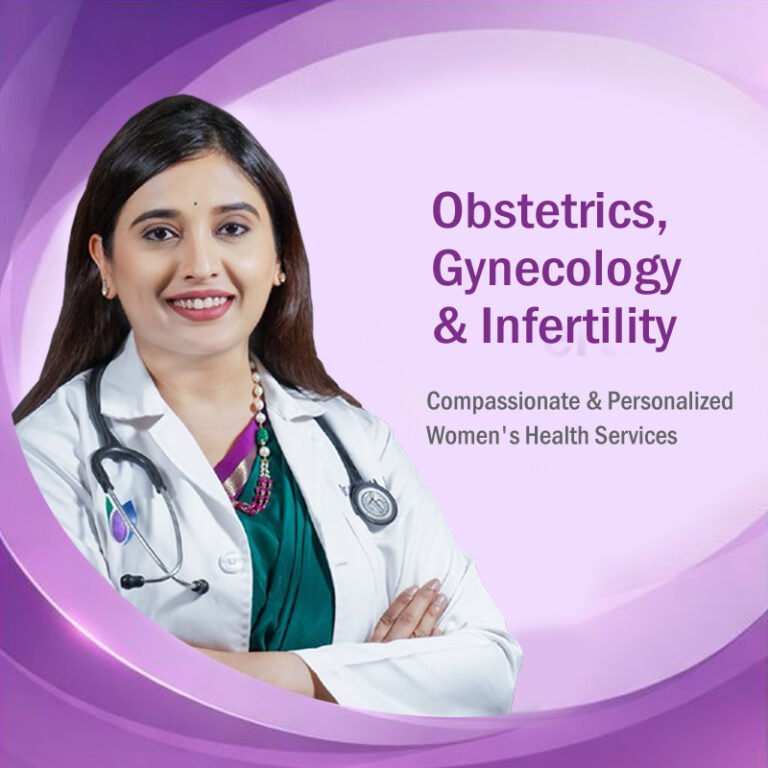
Meet Your Doctor: Dr. Samiksha Jain
Dr. Samiksha Jain is a renowned Obstetrician, Gynecologist, and Fertility Specialist dedicated to providing comprehensive pregnancy and childbirth care. She completed her MBBS and earned her MD (Obstetrics & Gynecology) as a Gold Medalist. To further strengthen her expertise, she pursued a Fellowship in Reproductive Medicine (Bangalore), a Fellowship in Minimal Access Surgery (Bangalore), and an Advanced Diploma in Reproductive Medicine (Germany).
Dr. Samiksha Jain specializes in antenatal care, high-risk pregnancy management, normal vaginal delivery, cesarean section, fertility treatment, minimally invasive gynecological surgery, and postpartum care. Her patient-centered approach focuses on evidence-based medicine, personalized pregnancy management, and compassionate guidance, ensuring that every mother receives the highest standard of care throughout her pregnancy and childbirth journey.
Understanding Childbirth
Childbirth is the natural process through which a baby is born. It usually occurs between 37 and 42 weeks of pregnancy, although the exact timing varies for every woman. Labor begins when the uterus starts contracting regularly, gradually causing the cervix to dilate and allowing the baby to move through the birth canal.
The childbirth process involves complex hormonal, physical, and emotional changes. Modern obstetric care ensures continuous monitoring of maternal health, fetal well-being, labor progression, and timely medical intervention whenever necessary. Understanding the childbirth process helps reduce anxiety and allows expectant parents to prepare more confidently for delivery.
Why Comprehensive Childbirth Care Is Important
Professional childbirth care significantly improves maternal and newborn outcomes by providing continuous medical supervision before, during, and after delivery. Even pregnancies that progress normally benefit from skilled obstetric care because labor can sometimes become unpredictable.
Comprehensive childbirth care provides several important advantages:
- Continuous monitoring of maternal and fetal health
- Early identification of labor-related complications
- Safe management of normal and high-risk deliveries
- Access to emergency obstetric care if required
- Individualized birth planning
- Pain management support during labor
- Immediate newborn assessment after birth
- Postpartum recovery guidance
- Breastfeeding support and education
- Improved safety for both mother and baby
Comprehensive obstetric care helps families experience childbirth with greater confidence while reducing avoidable risks.
Preparing for Childbirth
Preparation for childbirth begins during pregnancy through regular prenatal care and education. Obstetricians monitor fetal growth, maternal health, blood pressure, blood sugar levels, fetal movements, and ultrasound findings to ensure that pregnancy progresses safely toward delivery.
Preparation also includes discussions regarding:
- Expected due date
- Signs of labor
- Hospital admission planning
- Birth preferences
- Pain relief options
- Emergency situations
- Hospital bag preparation
- Breastfeeding planning
- Newborn care education
Women receiving Complete Maternal Care benefit from continuous education throughout pregnancy, enabling them to feel more prepared for labor and delivery.
Stages of Labor
Labor is generally divided into three stages, each involving important physiological changes that ultimately lead to childbirth.
First Stage of Labor
The first stage begins when regular uterine contractions cause the cervix to soften, thin, and gradually dilate. This stage may last several hours, especially during a first pregnancy. Obstetricians monitor cervical dilation, contraction patterns, maternal comfort, and fetal heart rate throughout this phase.
Second Stage of Labor
Once the cervix is fully dilated, the second stage begins. During this stage, the mother actively pushes while the baby moves through the birth canal and is delivered. Continuous medical supervision helps ensure a safe delivery for both mother and baby.
Third Stage of Labor
After the baby is born, the placenta is delivered during the third stage of labor. Healthcare providers monitor uterine contraction and maternal bleeding while ensuring complete placental delivery to minimize complications.
Signs That Labor May Be Starting
Recognizing the early signs of labor helps women seek timely medical care. Although every pregnancy is different, common signs include:
- Regular uterine contractions
- Lower abdominal or back pain occurring at regular intervals
- Rupture of membranes (water breaking)
- Passage of mucus plug
- Increasing pelvic pressure
- Progressively stronger contractions
Women experiencing these symptoms should contact their obstetrician or visit the hospital according to the medical advice provided during pregnancy.
Normal Vaginal Delivery
Normal vaginal delivery is the natural process of childbirth and is generally recommended whenever it is medically safe for both mother and baby. Many women recover more quickly after vaginal delivery compared to major abdominal surgery, although every childbirth experience is different.
Throughout labor, healthcare professionals carefully monitor fetal heart rate, maternal vital signs, labor progression, and overall well-being. If labor progresses normally and there are no complications, vaginal birth often provides a safe and positive delivery experience.
Regular Antenatal Checkups during pregnancy help identify whether a woman is likely to be a suitable candidate for normal vaginal delivery.
When Is a Cesarean Section Recommended?
Although many pregnancies end with successful vaginal delivery, some situations require a cesarean section to protect the health of the mother or baby. A cesarean delivery may be planned in advance or performed as an emergency based on clinical circumstances.
Common medical indications include:
- Fetal distress
- Placenta previa
- Failure of labor to progress
- Breech presentation in selected cases
- Certain multiple pregnancies
- Previous uterine surgery in appropriate situations
- Maternal medical conditions requiring surgical delivery
The decision is always based on careful obstetric evaluation and the safest option for both mother and baby.
Pain Management During Labor
Labor pain varies considerably between women. Modern childbirth care includes several pain management options depending on the mother’s medical condition, labor progress, and individual preferences. These may include breathing techniques, relaxation methods, emotional support, movement during labor where appropriate, and medical pain relief options recommended by the obstetrician and anesthesiology team.
The objective is to provide adequate comfort while maintaining maternal safety and supporting healthy labor progression.
Childbirth in High-Risk Pregnancy
Women with conditions such as hypertension, gestational diabetes, thyroid disorders, multiple pregnancy, or previous pregnancy complications often require individualized delivery planning. These pregnancies benefit from High-Risk Pregnancy Management, which includes closer fetal surveillance, specialized obstetric care, and careful planning regarding the timing and mode of delivery.
With appropriate medical supervision, many women with high-risk pregnancies successfully deliver healthy babies while minimizing complications.
Immediate Care After Childbirth
The first few hours after delivery are extremely important for both the mother and the newborn. Immediately after childbirth, healthcare professionals carefully assess the baby’s breathing, heart rate, body temperature, muscle tone, and overall condition. At the same time, the mother’s vital signs, uterine contractions, bleeding, and overall recovery are closely monitored to ensure a smooth transition into the postpartum period.
Early skin-to-skin contact between the mother and baby is encouraged whenever medically appropriate. This helps promote bonding, supports temperature regulation in the newborn, and encourages successful initiation of breastfeeding. Mothers also receive guidance regarding newborn feeding, hygiene, and recovery after delivery.
Comprehensive post-delivery monitoring allows healthcare providers to identify and manage any complications promptly while ensuring that both mother and baby remain healthy and stable.
Postpartum Recovery for Mothers
The postpartum period, often referred to as the “fourth trimester,” is a time of physical healing, hormonal adjustment, and emotional adaptation. Whether a woman has a normal vaginal delivery or a cesarean section, proper postpartum care is essential for a healthy recovery.
During follow-up visits, obstetricians evaluate:
- Healing after vaginal or cesarean delivery
- Uterine recovery
- Blood pressure and overall health
- Pain management
- Nutrition and hydration
- Emotional well-being
- Breastfeeding progress
- Family planning and contraception counseling
Regular postnatal care helps identify any concerns early and supports mothers as they recover physically and emotionally after childbirth.
Breastfeeding Support After Delivery
Breastfeeding is one of the most beneficial ways to nourish a newborn during the first months of life. Breast milk provides balanced nutrition and antibodies that support the baby’s developing immune system while strengthening the emotional bond between mother and child.
Healthcare providers educate mothers about proper breastfeeding techniques, feeding positions, latching, feeding frequency, and common breastfeeding challenges. Women experiencing discomfort or feeding difficulties are encouraged to seek medical guidance early so that problems can be addressed before they become more significant.
Every breastfeeding journey is different, and individualized support helps mothers feel confident during this important stage.
Newborn Care and Early Development
Comprehensive childbirth care includes careful attention to the newborn’s health immediately after birth and during the early days of life. Initial newborn care focuses on breathing, feeding, body temperature, weight assessment, reflexes, and routine physical examination.
Parents also receive education regarding:
- Safe breastfeeding practices
- Umbilical cord care
- Newborn hygiene
- Safe sleeping positions
- Vaccination schedules
- Recognizing warning signs that require medical attention
- Routine pediatric follow-up
Proper parental education helps families feel prepared while supporting healthy newborn growth and development.
Possible Complications After Childbirth
Although most women recover well after delivery, postpartum complications can occasionally occur. Early recognition and timely medical care are essential to protect maternal health. Potential concerns include excessive bleeding, infection, wound healing problems after cesarean delivery, elevated blood pressure, breastfeeding difficulties, urinary concerns, or emotional changes during the postpartum period.
Mothers should seek immediate medical attention if they experience:
- Heavy vaginal bleeding
- High fever
- Severe abdominal pain
- Difficulty breathing
- Persistent headache or blurred vision
- Foul-smelling vaginal discharge
- Chest pain
- Severe swelling of the legs or face
Prompt medical evaluation allows healthcare providers to diagnose and manage complications before they become more serious.
Lifestyle Tips After Childbirth
A healthy lifestyle supports recovery and helps mothers regain strength following delivery. During the postpartum period, women should focus on balanced nutrition, adequate hydration, sufficient rest, and gradual return to physical activity according to medical advice.
Important postpartum recommendations include:
- Attend all scheduled postnatal follow-up appointments
- Take prescribed medications and supplements regularly
- Consume iron, calcium, and protein-rich foods
- Stay well hydrated
- Avoid lifting heavy objects during early recovery
- Maintain good personal hygiene
- Seek emotional support from family members
- Consult the obstetrician before resuming strenuous exercise
Following these recommendations contributes to faster recovery and improved maternal well-being.
Why Choose Dr. Samiksha Jain for Childbirth and Maternity Care?
Successful childbirth care requires medical expertise, careful monitoring, timely decision-making, and compassionate support throughout pregnancy and delivery. Dr. Samiksha Jain provides comprehensive obstetric care beginning with Antenatal Checkups, continuing through Complete Maternal Care, High-Risk Pregnancy Management, safe childbirth, and comprehensive postpartum follow-up.
Her expertise includes normal vaginal delivery, cesarean section, fertility care, minimally invasive gynecological procedures, and individualized pregnancy management. Women who conceive naturally or through IVF, IUI, or other fertility treatments receive personalized care tailored to their medical history and pregnancy needs.
For families in Nagpur, Maharashtra, India, Dr. Samiksha Jain offers evidence-based maternity care with a strong focus on maternal safety, newborn health, compassionate communication, and positive birth experiences.
Frequently Asked Questions
1. How long does recovery take after a normal delivery?
Recovery varies from one woman to another. In general, recovery after a normal vaginal delivery is faster than after a cesarean section. However, complete recovery depends on individual health, proper postpartum care, and regular follow-up with your doctor.
2. When is a cesarean delivery necessary?
A cesarean section may be recommended when a vaginal delivery is not considered safe for the mother or the baby. Common reasons include fetal distress, placenta previa, failure of labor to progress, or certain other medical conditions that require surgical delivery.
3. When should breastfeeding be started after delivery?
Depending on the medical condition of both the mother and the baby, breastfeeding is generally recommended as soon as possible after birth. Early breastfeeding offers numerous health benefits for both the mother and the newborn.
4. When should I see my doctor after delivery?
You should attend postnatal follow-up appointments according to your doctor’s recommended schedule. However, if you experience heavy bleeding, fever, severe pain, or any unusual symptoms, you should seek medical attention immediately.
5. Can a healthy baby be delivered in a high-risk pregnancy?
Yes. With regular monitoring, specialized obstetric care, and timely medical treatment, many women with high-risk pregnancies successfully deliver healthy babies and experience safe childbirth.
6. What should I pack in my hospital bag?
Your hospital bag should include important medical documents, pregnancy records, comfortable clothing, newborn clothing, personal hygiene essentials, and any additional items recommended by your doctor or hospital.
7. When can I start exercising after delivery?
Light physical activity can usually be started based on your doctor’s advice. However, strenuous exercise should only be resumed after receiving medical clearance, depending on your recovery and the type of delivery.
8. Is it important to consult a doctor before planning a pregnancy?
Yes. A preconception consultation and Male & Female Fertility Evaluation can be beneficial for many couples, especially those with a history of infertility or previous pregnancy complications. Proper planning helps optimize reproductive health before conception.
Childbirth and Care in Nagpur involves much more than the delivery itself. It includes careful pregnancy monitoring, individualized birth planning, skilled labor management, safe delivery, immediate newborn care, breastfeeding support, and comprehensive postpartum recovery. Every stage of childbirth requires experienced medical supervision to ensure the best possible outcomes for both mother and baby while providing reassurance and compassionate support to the entire family.
For women and families in Nagpur, Maharashtra, India, Dr. Samiksha Jain offers complete maternity and childbirth care backed by advanced obstetric expertise, modern medical facilities, and personalized attention. Whether you are preparing for your first baby, managing a high-risk pregnancy, or seeking guidance after delivery, expert care throughout the childbirth journey helps ensure a safe, healthy, and positive experience for both mother and newborn.