

Advanced Infertility Treatment in Nagpur is no longer limited to basic counseling or a single round of medication. It has become a structured, science-backed, highly personalized branch of women’s healthcare that helps couples understand the real reason behind delayed conception and choose the right treatment path with confidence. For many couples, infertility is not caused by one obvious issue; it may involve hormonal imbalance, ovulation problems, low ovarian reserve, male factor infertility, blocked tubes, endometriosis, fibroids, uterine abnormalities, lifestyle stress, or an unexplained combination of several factors. That is why advanced fertility care must be detailed, careful, and tailored to the patient’s body and reproductive history. For couples seeking expert care in Nagpur, in Maharashtra, in India, the right fertility consultation can turn confusion into clarity and uncertainty into a practical treatment plan.
Infertility is emotionally heavy, and it often affects both partners in ways that are deeply personal. Many couples spend months or years trying to conceive before seeking specialist help. Some try medications on their own, some visit multiple clinics, and some feel emotionally exhausted by repeated disappointment. A specialist-led approach helps avoid that cycle by identifying the core issue early and choosing the most effective solution, whether that involves timed treatment, ovulation support, IUI (Intrauterine insemination), IVF (In Vitro Fertilization), ICSI (Intracytoplasmic Sperm Injection), surgical correction, or fertility preservation through Egg / Sperm Freezing. In many cases, advanced infertility treatment also connects naturally with Male & Female Fertility Evaluation, Laparoscopy & Hysteroscopy, and management of PCOD/PCOS Treatment or Fibroids, Endometriosis & ovarian cysts Treatment.
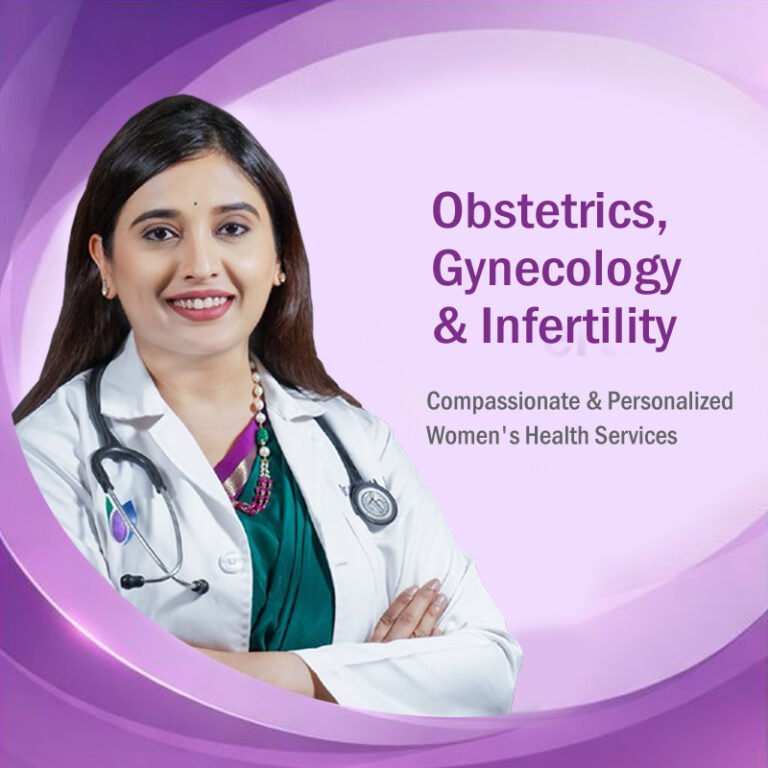
Meet Your Doctor: Dr. Samiksha Jain
Dr. Samiksha Jain is a highly accomplished Obstetrician, Gynecologist, and Fertility Specialist known for her compassionate approach and excellence in women’s healthcare. A Gold Medalist in MD (Obstetrics & Gynecology), she combines academic brilliance with advanced clinical expertise to provide the highest standard of care to her patients. Her qualifications include MBBS, MD (Obs/Gyn) Gold Medalist, Fellowship in Reproductive Medicine (Bangalore), Fellowship in Minimal Access Surgery (Bangalore), and Advanced Diploma in Reproductive Medicine (Germany). With this strong academic and clinical foundation, she brings a deep understanding of fertility medicine, gynecology, pregnancy care, and minimally invasive procedures together in one place.
Her advanced training is especially valuable for couples who need a detailed fertility diagnosis rather than a generic treatment plan. Reproductive problems often involve more than one layer, and that is where a specialist with training in reproductive medicine can make a real difference. Whether the case involves ovulation issues, tubal blockage, male factor infertility, repeat failure, pelvic disease, or uterine abnormalities, expert guidance creates a clear path forward. Her approach is relevant for couples in Nagpur, in Maharashtra, in India who want not only treatment, but also understanding, continuity, and support throughout the fertility journey.
What Is Advanced Infertility Treatment?
Advanced infertility treatment refers to a step-by-step medical approach used when a couple cannot conceive despite regular unprotected intercourse for a reasonable period, or when the medical history suggests that conception may be difficult without intervention. It is “advanced” because it goes beyond basic advice. It may include detailed fertility testing, hormone evaluation, semen analysis, ovulation tracking, uterine and tubal assessment, ultrasound monitoring, medication support, assisted reproduction, and sometimes surgical correction. The treatment is guided by the actual cause of infertility rather than by guesswork.
This approach is important because infertility is not a single disease. It is a clinical outcome that can arise from many different causes. In some women, the problem may be irregular ovulation due to PCOS. In others, it may be blocked tubes, endometriosis, fibroids, adenomyosis, low ovarian reserve, thyroid disorder, or repeated implantation failure. In men, it may be low sperm count, poor motility, abnormal morphology, or other semen-related concerns. Sometimes both partners have contributing factors, and sometimes no cause is immediately obvious. That is why the first step is not treatment alone, but a complete understanding of the reproductive system.
When couples seek advanced infertility treatment in Nagpur, in Maharashtra, in India, they are often looking for a solution that is medically precise and emotionally respectful. The best fertility care recognizes that the patient’s hope, stress, finances, timing, and family situation all matter. The aim is not simply to “try something,” but to select the right intervention at the right time with the right level of support.
Why Couples Need Specialist Fertility Care
Many couples start their journey with basic advice, lifestyle changes, or temporary medication, but not every fertility concern can be solved that way. If pregnancy does not happen after repeated efforts, a specialist evaluation becomes essential. The earlier the cause is identified, the better the chance of choosing an effective treatment. Fertility care should be systematic because delay often leads to more frustration, more emotional pressure, and sometimes loss of valuable reproductive time, especially in women with age-related fertility decline.
A specialist can evaluate the entire fertility picture rather than focusing on only one symptom. This is especially important when there is a history of irregular periods, PCOD, endometriosis, fibroids, prior pelvic infection, previous surgery, miscarriage, or known male factor issues. A fertility specialist may also identify hidden problems that are easy to miss in a basic consultation, such as poor ovulation timing, luteal phase issues, uterine cavity problems, diminished ovarian reserve, or tubal factors. The right diagnosis is what makes the treatment efficient and less trial-based.
Couples also need emotional support. Infertility can affect confidence, relationships, and mental well-being. A thoughtful fertility specialist does not just prescribe treatment; she explains the process, prepares the couple for the journey, and sets realistic expectations. That is one reason specialist care is so valuable in modern reproductive medicine. In complex cases, it can also connect with procedures like Laparoscopy & Hysteroscopy or broader Reproductive System Disease management to improve the chance of conception.
Common Causes of Infertility in Men and Women
Infertility causes may be female, male, mixed, or unexplained. Among women, common causes include ovulation disorders, PCOS, thyroid imbalance, hormonal disturbances, blocked fallopian tubes, endometriosis, fibroids, ovarian cysts, uterine abnormalities, age-related decline in egg quality, and repeated implantation failure. Some women may have regular cycles but still not release an egg consistently or may have a uterine environment that does not support conception well. In such cases, detailed evaluation is essential because symptoms alone do not reveal the full picture.
Among men, infertility may be related to low sperm count, poor sperm motility, abnormal sperm shape, hormonal issues, past infections, varicocele, lifestyle factors, heat exposure, smoking, alcohol use, or genetic causes. Since male factor infertility contributes to a significant share of infertility cases, semen analysis and andrological review are an important part of treatment. A couple should never assume the issue is only on one side. Fertility is a shared reproductive concern, and both partners must be assessed properly through Male & Female Fertility Evaluation.
In some cases, no obvious cause is found despite normal reports. This is called unexplained infertility. Even then, treatment is possible. A fertility specialist may recommend more targeted timing, ovulation support, intrauterine insemination, advanced scans, or assisted reproductive techniques depending on the couple’s age, duration of infertility, and previous treatment history. For many couples in Nagpur, in Maharashtra, in India, the value of specialist care lies in this ability to customize treatment rather than force a standard method on every patient.
How the Fertility Evaluation Begins
Advanced infertility treatment begins with a detailed consultation. The doctor studies the couple’s complete history, including duration of infertility, menstrual pattern, sexual history, prior pregnancies, miscarriages, infections, surgeries, medicines, and lifestyle factors. For women, this may also include cycle regularity, signs of ovulation, acne, weight changes, pelvic pain, and thyroid-related symptoms. For men, the doctor may ask about prior illness, heat exposure, habits, and testicular history. The goal is to build a complete picture before selecting the next step.
The next phase usually involves testing. Depending on the clinical situation, investigations may include pelvic ultrasound, hormonal profile, thyroid evaluation, prolactin testing, ovarian reserve assessment, semen analysis, ovulation monitoring, tubal tests, and uterine cavity evaluation. Some patients may need advanced procedures to identify hidden structural causes. In such cases, Laparoscopy & Hysteroscopy can be very helpful because it allows the doctor to directly inspect the pelvic organs and uterine cavity and treat certain problems at the same time.
Early diagnosis matters because fertility time is valuable. A couple in their twenties may have a broader treatment window than a couple in their late thirties or forties. That is why the evaluation is not merely diagnostic; it is strategic. The purpose is to choose the most suitable treatment before unnecessary delay occurs. In advanced fertility care, clarity is a form of treatment in itself.
When Simple Treatment Is Not Enough
Some couples respond well to lifestyle changes and ovulation-inducing medicines, but others need more advanced intervention. If a woman has blocked tubes, severe endometriosis, repeated failed cycles, or poor ovarian reserve, a more advanced approach may be necessary. If the man has very low sperm count or severely poor motility, simple timing may not be enough. In these situations, treatments like IUI, IVF, or ICSI may be recommended based on medical need.
Advanced infertility treatment does not mean that the patient is “too complicated.” It simply means the fertility challenge requires a more refined solution. For example, a woman with PCOS may need cycle regulation and ovulation support before conception is possible. A patient with fibroids or uterine cavity issues may need a surgical correction first. A couple with repeated failed attempts may need a closer look at embryo quality, uterine factors, or sperm handling. Every case deserves careful thought rather than emotional guessing.
This is why many fertility plans naturally connect with PCOD/PCOS Treatment, Fibroids, Endometriosis & ovarian cysts Treatment, Advanced Infertility Treatment, and even Family Planning Services when long-term reproductive planning is being discussed.
The Role of Lifestyle in Fertility
Lifestyle factors do not cause every fertility issue, but they can definitely influence reproductive health. Weight imbalance, poor sleep, chronic stress, smoking, alcohol, excessive caffeine, nutritional deficiency, and sedentary habits may reduce fertility potential in some patients. On the other hand, a balanced diet, healthy body weight, adequate rest, moderate exercise, and reduced toxin exposure can support treatment outcomes. Good fertility care therefore includes lifestyle counseling, not just medication and procedures.
For women with hormonal imbalance or PCOS, even modest lifestyle correction can improve cycle regularity and ovulation. For men, reducing heat exposure, improving sleep, avoiding smoking, and correcting nutritional deficits may support better semen parameters. Lifestyle advice should never feel like blame. It is simply one practical tool within a larger medical strategy. The purpose is to make the body more receptive to treatment and improve the couple’s overall reproductive health.
When fertility care is managed thoughtfully, the doctor may also advise timing, supplementation, and follow-up habits that fit the couple’s routine. That creates a treatment plan that is not only medically sound but also sustainable. In a busy city like Nagpur, in Maharashtra, in India, practicality matters as much as precision.
How This Connects to Future Pregnancy Care
Advanced infertility treatment does not stop at conception. It is often the beginning of a longer reproductive journey that includes pregnancy monitoring, antenatal care, and delivery planning. Once conception happens, many couples continue under the same specialist’s care for ongoing support. This continuity becomes especially valuable for women with a prior history of infertility, miscarriage, PCOS, fibroids, or pregnancy-related anxiety. A fertility specialist who also understands obstetrics can bridge the gap between conception and safe pregnancy management.
That is where treatment links naturally to services such as Antenatal Checkup, Complete Maternal Care, and Delivery or Childbirth. For many patients, this continuity is reassuring because the doctor already understands the medical history that led to conception. The same team that supports the fertility journey can help guide pregnancy with the right level of caution and confidence.
In Part 2, the article can continue with detailed discussion of IVF, IUI, ICSI, egg freezing, laparoscopic correction, success factors, emotional support, treatment timeline, FAQs, and why specialist fertility care matters for couples in Nagpur, in Maharashtra, in India.
Advanced Treatment Options in Modern Fertility Care
Once the fertility evaluation is complete, the next step in Advanced Infertility Treatment in Nagpur is choosing the most effective treatment path. This decision is never made randomly. It depends on the cause of infertility, the age of the couple, the duration of trying, the ovarian reserve, sperm health, tubal status, uterine condition, and previous treatment history. In many cases, the first-line advice may include timed intercourse and ovulation tracking, but when that is not enough, the doctor may move to a more advanced approach such as IUI (Intrauterine insemination), IVF (In Vitro Fertilization), or ICSI (Intracytoplasmic Sperm Injection). These are not just procedures; they are carefully selected medical solutions designed to improve the chance of pregnancy in a structured way. For couples in Nagpur, in Maharashtra, in India, expert fertility care helps avoid wasted time and leads to a more meaningful treatment journey.
A good fertility plan is personalized. A young woman with PCOS and irregular ovulation may not need the same treatment as a woman with blocked tubes or diminished ovarian reserve. A man with mildly reduced sperm count may respond differently compared to a man with severe male factor infertility. This is why advanced reproductive medicine must be guided by a specialist who understands both the science and the emotional burden behind every case. In many patients, fertility treatment also connects with PCOD/PCOS Treatment, Fibroids, Endometriosis & ovarian cysts Treatment, and Laparoscopy & Hysteroscopy because structural or hormonal issues often influence conception directly.
How IUI Helps in Selected Cases
IUI is often recommended when the fertility issue is mild to moderate and when the fallopian tubes are open. In this procedure, prepared sperm is placed directly into the uterus around the time of ovulation so that the sperm has a shorter distance to travel. This can be useful in cases of unexplained infertility, mild male factor infertility, cervical factor issues, or ovulation-related challenges. It is a less invasive treatment than IVF and can be a good step before moving to more complex procedures.
IUI works best when the timing is right and when the underlying fertility environment is supportive. The doctor may monitor follicle development through ultrasound and may use medicines to improve ovulation. In some couples, the procedure may be repeated for a few cycles before deciding whether a different strategy is needed. Because every case is different, IUI is not a universal answer, but it can be very effective when used in the right setting. Couples seeking fertility support in Nagpur, in Maharashtra, in India often appreciate that it is relatively simple, medically controlled, and less intensive than advanced laboratory-based treatment.
When a couple needs a fuller fertility plan, IUI may also be combined with additional evaluation of the uterus, tubes, or ovulation profile. In such cases, Male & Female Fertility Evaluation and uterine assessment become important, especially if there is any suspicion of hidden reproductive issues. A clear diagnosis improves the chance that the procedure chosen is the right one, not just the easiest one.
IVF and Why It Is Considered a Powerful Fertility Option
IVF is one of the most recognized forms of advanced infertility treatment. It is generally considered when conception through simpler methods is unlikely or unsuccessful. The process involves stimulating the ovaries to produce multiple eggs, collecting the eggs, fertilizing them with sperm in a laboratory, and transferring the resulting embryo into the uterus. IVF may be helpful in blocked tubes, severe endometriosis, long-standing infertility, low ovarian reserve, failed IUI cycles, or unexplained infertility where simpler measures have not worked.
What makes IVF powerful is its ability to bypass certain natural barriers to conception. If the tubes are blocked, the sperm and egg cannot meet naturally. IVF sidesteps that problem. If there are sperm-related issues, the laboratory can choose and handle the sperm carefully. If embryo selection or timing needs refinement, the process can be adjusted accordingly. That does not mean IVF is needed for every couple. It means IVF is one of the strongest tools in modern fertility medicine when the clinical situation demands it. For many patients in Nagpur, in Maharashtra, in India, having access to this level of treatment brings hope after a long period of disappointment.
IVF care is often closely linked with Egg / Sperm Freezing because some patients may choose to preserve fertility before age-related decline, surgery, or medical treatment. It can also connect with Advanced Infertility Treatment planning in patients who have repeated failure or complex reproductive histories. The key is to match the method to the problem, not the other way around.
When ICSI Becomes the Better Choice
ICSI is a specialized form of IVF used when sperm-related issues are more severe or when fertilization may be difficult using conventional IVF alone. In ICSI, a single sperm is injected directly into an egg under microscopic control. This method is especially useful in cases of very low sperm count, poor motility, abnormal morphology, or previous fertilization failure. It is a highly technical procedure and requires laboratory precision and clinical judgment.
The major value of ICSI is that it allows treatment even in situations where fertilization would otherwise be unlikely. That makes it extremely important in selected male factor cases. It can also be useful in couples with previous unsuccessful fertilization attempts or with certain complex reproductive histories. For patients who have already undergone detailed testing through Male & Female Fertility Evaluation, ICSI may become the most logical next step.
Specialist fertility care is not about choosing the most advanced-sounding procedure. It is about choosing the right procedure. Sometimes IUI is enough. Sometimes IVF is needed. Sometimes ICSI is the best solution. That judgment requires experience, not guesswork. This is why couples often seek expert support in Nagpur, in Maharashtra, in India from doctors who can combine diagnosis, counseling, and laboratory-based treatment planning in one place.
Egg and Sperm Freezing for Future Fertility Planning
Egg / Sperm Freezing is an increasingly important option in modern fertility care. It allows fertility preservation for people who are not ready to conceive immediately but want to protect their reproductive potential for the future. Women may choose egg freezing for age-related fertility preservation, before surgery, before cancer treatment, or due to personal timing. Men may choose sperm freezing before medical treatment, surgery, or for future family planning. This option is especially valuable because fertility can change over time, and preserving gametes can provide flexibility later.
Egg freezing is particularly relevant in women whose ovarian reserve may decline with age or who have not yet reached the right personal or medical timing for pregnancy. Sperm freezing may be valuable in men facing procedures or treatments that may affect fertility. This is not only a technical service; it is a forward-looking reproductive strategy. In a busy, practical, and modern setting like Nagpur, in Maharashtra, in India, fertility preservation can be a very wise decision for the right patient.
These decisions should always be made after proper counseling. A fertility specialist can explain whether freezing is medically useful, how it fits into the patient’s broader reproductive plan, and whether other options should be considered first. Sometimes it is part of advanced infertility treatment, and sometimes it is preventive planning. Both are valid, as long as they are personalized.
When Surgery Helps Fertility
Not all fertility problems are solved with medicines or assisted reproduction alone. In some cases, surgery may help remove the barrier that is preventing conception. That is where Laparoscopy & Hysteroscopy become very important. Laparoscopy allows the doctor to look inside the pelvis through a small incision and treat conditions such as endometriosis, adhesions, ovarian cysts, or tubal issues. Hysteroscopy allows evaluation of the uterine cavity and can help address polyps, septum, adhesions, or structural problems inside the uterus.
These procedures are especially useful when infertility is linked to pain, irregular bleeding, previous infection, suspected endometriosis, fibroids affecting the cavity, or repeated failed treatment cycles. Surgery is not always needed, but when it is indicated, it can improve the chances of conception by correcting the underlying anatomical problem. This is why advanced fertility treatment is often multidisciplinary. It may include medicines, procedures, and surgery as part of one coordinated plan.
In some patients, surgical management also overlaps with Fibroids, Endometriosis & ovarian cysts Treatment or broader Reproductive System Disease care. When a specialist understands these overlapping problems well, the treatment path becomes more effective and less fragmented.
Factors That Influence Fertility Treatment Success
Success in infertility treatment depends on several factors. Age is one of the most important, especially in women, because egg quantity and quality change with time. The cause of infertility also matters. A simple ovulation issue is often easier to treat than long-standing tubal disease or severe male factor infertility. Duration of infertility, previous treatment attempts, ovarian reserve, sperm quality, uterine health, and the presence of additional conditions like PCOS, endometriosis, or fibroids all affect the plan.
Equally important is timing. Fertility treatment works best when cycles, scans, medicines, and procedures are properly coordinated. Emotional readiness and compliance also matter because treatment may require appointments, tests, injections, or repeated follow-ups. A couple that understands the treatment plan usually handles the process better. This is why counseling is not optional in good fertility care; it is part of the treatment itself.
Success is also improved when the couple is cared for in a setting that combines diagnosis, treatment, and follow-up under one roof. That continuity prevents confusion and allows decisions to be made based on real-time findings. For couples in Nagpur, in Maharashtra, in India, this kind of structured care can make a major difference in the fertility journey.
Emotional Support During Fertility Treatment
Infertility is not only a medical condition; it is also an emotional experience. Many couples feel pressure from family, stress from uncertainty, and disappointment after each unsuccessful attempt. The emotional load can become heavy very quickly. That is why the best fertility care is compassionate, clear, and respectful. A doctor should explain the options, the chances, the limitations, and the next steps in a way that helps the couple feel informed rather than overwhelmed.
Supportive communication matters because patients are often scared of failure, cost, or time loss. Fertility treatment can involve multiple visits and a lot of hope. The doctor’s role is not just to prescribe; it is to steady the process, simplify the steps, and make the experience feel manageable. That kindness is part of clinical excellence. In a reproductive journey, reassurance is not a luxury; it is a necessity.
When couples feel heard, they are more likely to stay consistent with treatment, follow instructions carefully, and return for follow-up at the right time. That consistency often improves the overall experience and supports better outcomes. In advanced fertility care, emotional clarity and medical clarity should move together.
Why Choosing the Right Fertility Specialist Matters
Choosing the right fertility specialist is one of the most important decisions in the entire journey. A skilled specialist does more than prescribe treatment. She evaluates the whole picture, explains the cause, selects the right procedure, and keeps the couple informed at each stage. This is especially important when a case involves PCOS, fibroids, endometriosis, prior surgery, male factor infertility, or previous failed cycles. A specialist with reproductive medicine training can manage these layers much more effectively than a generic approach.
For couples looking for Advanced Infertility Treatment in Nagpur, in Maharashtra, in India, trust and competence matter equally. Patients want someone who can think clearly, communicate honestly, and intervene appropriately. They also want a doctor who can connect fertility treatment with later pregnancy care, including Antenatal Checkup, Complete Maternal Care, and Delivery or Childbirth planning when conception is achieved.
That continuity is powerful because the reproductive journey does not end with a positive test. It continues into pregnancy, delivery, and postpartum recovery. A specialist who understands the entire arc can offer far better support than a fragmented system. This is the deeper value of advanced reproductive care.
Frequently Asked Questions
1. Advanced infertility treatment ka matlab kya hota hai?
Advanced infertility treatment ka matlab hai aise medical aur procedural solutions jo basic advice se aage hote hain. Isme evaluation, medicines, ovulation support, IUI, IVF, ICSI, surgery, aur fertility preservation jaise options shamil ho sakte hain. Treatment hamesha cause ke hisab se plan kiya jata hai.
2. Kya har infertile couple ko IVF ki zarurat hoti hai?
Nahi, har couple ko IVF ki zarurat nahi hoti. Kuch cases mein medicines ya IUI kaafi hota hai, aur kuch mein surgical correction helpful hoti hai. IVF tab consider kiya jata hai jab simpler methods se pregnancy nahi hoti ya jab medical condition uski demand karti hai.
3. IUI aur IVF mein kya difference hai?
IUI mein prepared sperm ko uterus ke andar ovulation ke time place kiya jata hai. IVF mein eggs ko lab mein fertilize karke embryo banaya jata hai aur fir uterus mein transfer kiya jata hai. IVF zyada advanced aur complex process hai, jabki IUI relatively simpler option hota hai.
4. Male infertility ka bhi test hota hai kya?
Haan, male infertility evaluation bahut important hoti hai. Semen analysis, hormonal assessment, aur kabhi-kabhi additional tests ki zarurat hoti hai. Fertility treatment dono partners ke assessment par based hoti hai, sirf woman par nahi.
5. Kya PCOS infertility ko affect kar sakta hai?
Haan, PCOS ovulation ko disturb kar sakta hai aur conception difficult bana sakta hai. Lekin proper treatment, cycle monitoring, lifestyle guidance, aur zarurat padne par advanced fertility care se pregnancy possible hoti hai. Isliye PCOS ko manage karna bahut important hai.
6. Fertility treatment ka success rate kis par depend karta hai?
Success rate age, cause of infertility, ovarian reserve, sperm health, uterine health, treatment timing, aur previous history par depend karta hai. Har patient ka case alag hota hai, isliye outcome bhi personalized hota hai.
7. Egg freezing kab useful hoti hai?
Egg freezing tab useful ho sakti hai jab woman future mein pregnancy plan karna chahti ho ya age-related fertility decline se eggs preserve karna ho. Ye option treatment ke pehle, surgery se pehle, ya personal timing reasons ke liye consider kiya ja sakta hai.
8. Kya fertility treatment ke baad pregnancy care alag hoti hai?
Haan, pregnancy hone ke baad antenatal monitoring zaruri hoti hai. Fertility treatment ke baad kuch patients ko closer pregnancy follow-up ki zarurat ho sakti hai. Isliye treatment ke baad Antenatal Checkup aur Complete Maternal Care important ho jaati hai.
Advanced Infertility Treatment in Nagpur is about much more than procedures. It is about finding the reason behind delayed conception, choosing the right intervention, supporting the couple emotionally, and creating a step-by-step pathway toward pregnancy. Whether the treatment requires IUI, IVF, ICSI, egg freezing, surgical correction, or a combination of methods, the real strength lies in personalized care. For couples in Nagpur, in Maharashtra, in India, access to expert fertility guidance means less uncertainty and more direction.
When a specialist understands both reproductive medicine and women’s health deeply, the entire journey becomes clearer, calmer, and more efficient. From diagnosis to treatment to pregnancy planning, every stage benefits from thoughtful supervision. And in a deeply personal journey like infertility, that blend of skill, compassion, and clarity can make all the difference.